
Homeless in Seattle: COVID-19 Edition
Seattle, known for having a large homeless population, has been struggling more than you think during the pandemic
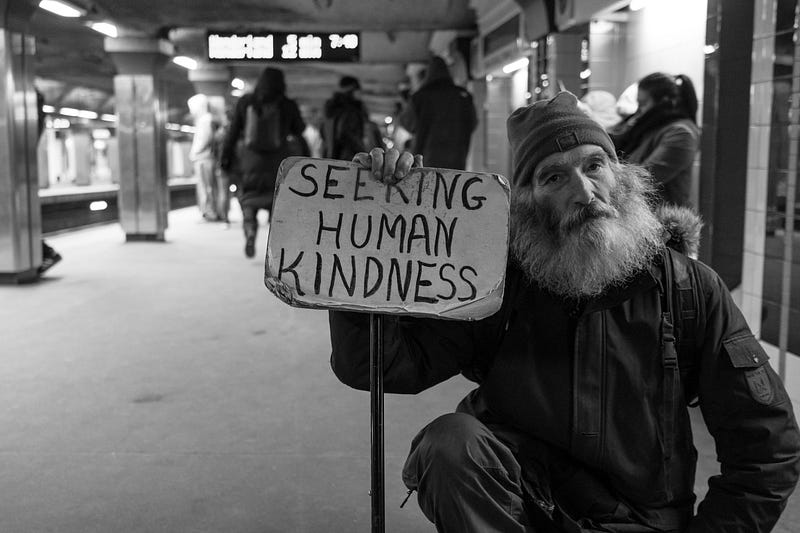
During my time in Seattle, I learned to empathize. I had lived in a suburb all my life, and even though I understood homelessness in theory, it felt different in reality as I saw men and women wrapped in their sleeping bags as I walked to class. It took a long time for me to realize Seattle was to homelessness as New York City was to terrible commutes. It was an unfortunate part of the city that wasn’t changing, and not enough people wanted to do something about it.
With the Boeing Bust and fires sweeping the town in the 1970s, an area called Skid Road that primarily housed low-income residents was quickly developed and replaced the cheap housing with office spaces and urban projects. At the same time, deinstitutionalization was occurring, releasing mentally ill individuals into the community without much welfare or assistance. The housing crisis grew more and more dire, and while the Seattle Tenant’s Union and the Displacement Coalition was established, there were too many people competing for too little housing. Much of what happened in Seattle in the second half of the 20th century was because of national housing policies and broad social changes. John Fox, housing activist and now Seattle Displacement Coalition Coordinator, explains that, “There were conscious decisions by local elected officials during this era to promote development at the expense of those living there.”
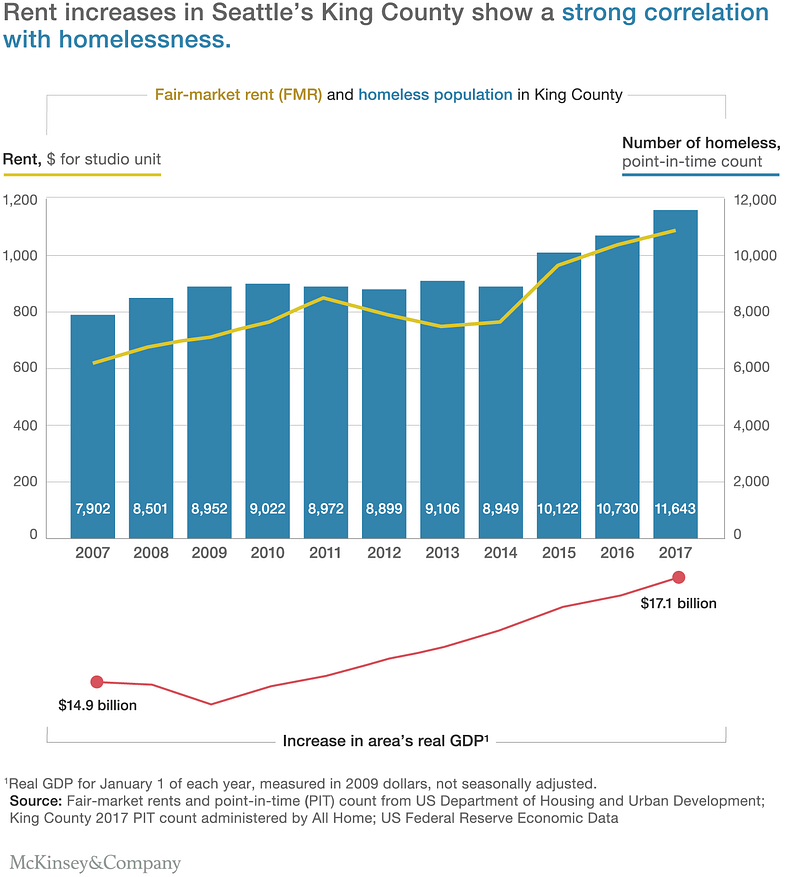
In the last decade, the issue grew exceedingly worse. The Recession hit Seattle badly, but the city turned their luck around thanks to several large companies such as Amazon, Apple, Google, and Facebook, all establishing a campus or headquarters nearby. Health research institutions in the area multiplied, and tech startups boomed. Foreclosures increased, housing prices shot up, and in turn, a new homeless crisis came on to the scene as longtime residents were displaced and unable to pay the same rent as the incoming tech workers. The rent increases had an incredibly strong correlation with homelessness, and the lack of affordable housing continues to plague the city.
With COVID-19, attitudes have slightly shifted. After decades of citizens wanting better affordable housing and asking for the crisis to be tackled, the outbreak forced the city to finally face the issue head-on. The city and county opened up close to half a dozen temporary shelters to provide more availability for social distancing. Sharon Lee, executive director of the Low Income Housing Institute, is in charge of one of the city’s newest villages — Cherry Hill-Spirit Village. She explains that the village was quickly formed in order to get the homeless, which were predominantly people of color, off the streets to prevent the spread of the pandemic.
“If the pandemic teaches us anything, let us hope it teaches us that the health of one person is bound up in the health of every other person in the community.” — Alison Eisenger, Executive Director of Seattle/King County Coalition on Homelessness
But the unsheltered homeless aren’t necessarily buying the aid. The Navigation Team, whose primary focus used to be clearing encampments and tents under the guise of pushing the unsheltered homeless into shelters, are now the same people who are visiting the sites and is referring people to shelters and attempting to talk to the homeless about preventative measures during the pandemic. When people at multiple homeless shelters started testing positive for the virus, local shelters started changing as well. Visitors and clients were moved into makeshift shelters and community centers, and one of the solutions was moving people into hotels.
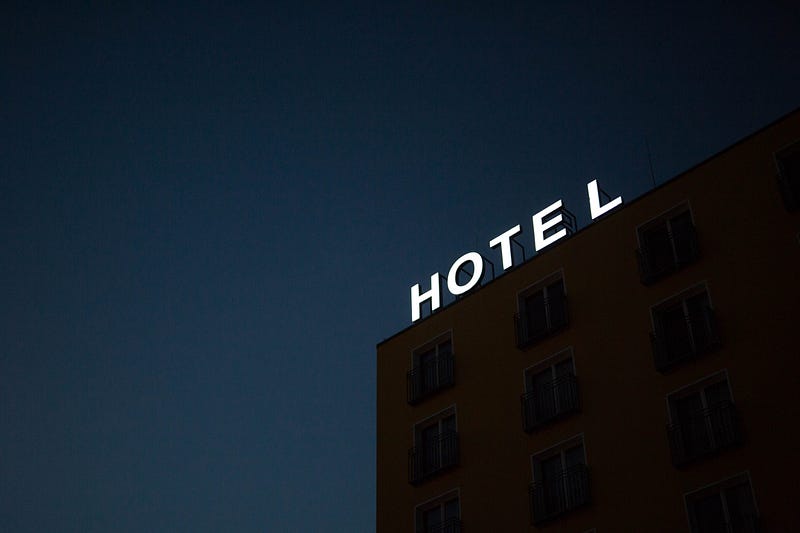
Nadine, who was one of the people who was moved into the Red Lion in Renton, cried. “There’s no fricking way we’re this blessed,” she said. Other shelter clients had similar sentiments. For years, the city had abandoned the homeless people in the city, and it took a pandemic to both acknowledge the problem and do something about it. Part of that is due to the $13 million Emergency Housing Grant from the Washington State Department of Commerce, which is aimed toward supporting housing programs and shelters.
Regardless of the growing aid to put toward the housing crisis, it is still difficult to make hygiene access and medical access available. The Navigation Team is still attempting to clear encampments of those who are unsheltered during the pandemic, despite the Center for Disease Control and Prevention’s advice. The CDC was clear in recommending that cities not remove homeless encampments unless housing is available to each individual, which is not the case in Seattle. This would cause the virus to spread, and despite Seattle saying in March that it would not remove encampments and attempt to provide better hygiene services and care, the city officials went against their words. They said that they had shelter to offer all the individuals, but failed to take into account that the notice to remove the encampment was posted several days prior, causing people to pack up, leave, and disperse. Will Lemke, Human Services Department spokesman, said, “This decision was made in order to ensure the public health and safety of everyone.” This isn’t the first time that the city of Seattle pretends their actions are for the public’s safety, and yet causes the very thing they’re supposed to avoid.
Since March 1st, Seattle and King County has reported 303 cases of COVID-19 among the homeless populations in the area. The vast majority have been reported in homeless shelters and housing facilities, rather than in encampments that the city of Seattle has slowly been clearing. Even though progress is being made in order to provide more affordable and accessible housing and care to both the unsheltered and sheltered homeless population, there is still a lot to be done before the situation is actually solved. At the moment, it feels a bit like Seattle is throwing paint at a wall filled with holes rather than carefully spackling it. Some of the attempts are working and helping, and some are very much not.


