
SCIENCE & SOUL: SCIENCE-INSPIRED POETRY
Homegrown Harvests
Innovating with Tradition in a Changing World
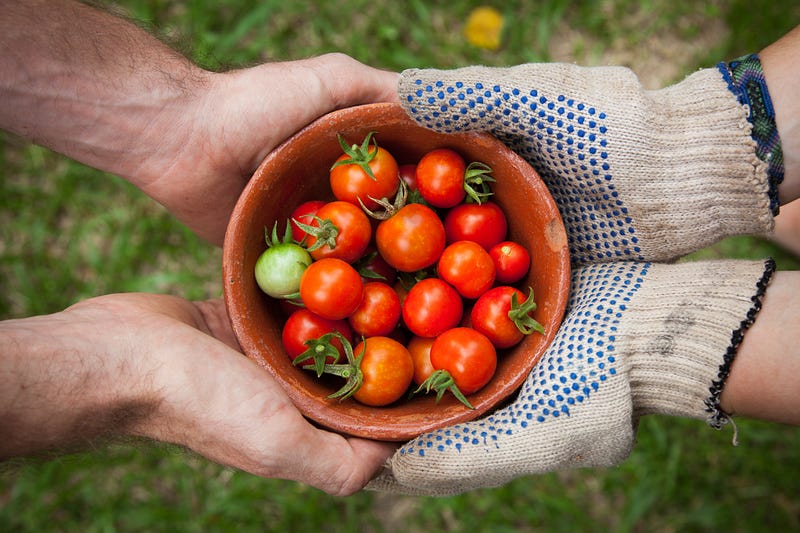
amid gardens’ green life’s humble scene hands toil the soil hearts mend and coil
treasures amassed abundance at last body and soul aligned healthier lives abound
changing seasons life’s warm embraces nature’s palette creates vibrant spaces
feeding beyond the heart’s domain healthier diets and diminished pain
food waste zeroed mindful steps they take gardens teach lessons both new and age-old
Resilient seeds in gardens breed — Policies can shape the world they need.
In a world where food security and well-being are escalating concerns, the need to consistently innovate means that at times, we find that the most effective solutions are reminiscent of earlier practices. For instance, these might be actions that our grandparents or even great-grandparents used to perform routinely, from an era predating the global supply chain’s control over our food choices.
The pioneering research conducted by the University of Sheffield highlights one such potent solution: household fruit and vegetable production. This study sheds light on the transformative role of gardens and allotments in enhancing public health and fortifying our food supply.
Specifically, the researchers meticulously monitored individuals who adopted homegrown food practices for more than a year, thoroughly investigating their cultivation methods, eating patterns, contributions, and management of fruits and vegetables. The results are nothing short of remarkable.
In many cases, these dedicated cultivators have the power to yield more than half — 51% to be exact — of the vegetables they consume annually. Furthermore, they contributed as much as 20% of their fruit intake from their personal harvests. Beyond the boon of sustainable, fresh produce, these individuals exceed the UK’s average of 3.7 daily portions of fruits and vegetables averaging an impressive 6.3 portions each day, all while reigniting a commitment to healthier eating.
However, the impact stretches further, touching on the vital issue of food waste. On average, they discard only 0.12 portions of food daily, a staggering 95% reduction compared to the UK household average. This correlation between household food production, waste reduction, and enhanced food security is deeply significant.
The scope of this study transcends private gardens, it presents an opportunity for a paradigm shift in food consumption patterns. The study suggests integrating household food production into government policies can yield sweeping benefits. By encouraging the growth of personal gardens and allotments, policymakers can foster individual well-being while fortifying the resilience of the entire food system.
Dr. Zilla Gulyas, author of the study from the University of Sheffield’s School of Biosciences, emphasizes, “Eating at least five portions of fruit and vegetables a day is associated with significantly decreased risks of developing health issues like obesity, heart disease, type 2 diabetes, and certain types of cancer. Our new study highlights the role that growing fruit and vegetables at a household scale could play in increasing their consumption.” Source: Science Daily
Amidst broader challenges like urbanization and climate change, spotlighted by the National Food Strategy, ensuring ample, healthy food for all emerges as a priority. This study underscores the often underestimated role of homegrown produce in meeting these challenges head-on.
Dr. Jill Edmondson, from the University of Sheffield’s Institute for Sustainable Food and School of Biosciences, emphasizes, “Global food security is one of the biggest challenges we will face in the future. This study provides the first long-term evidence that household food production could play in promoting healthier diets through self-sufficiency and adds important support to any policy making that seeks to expand household level fruit and vegetable production.”
At the end of the day, research importance aside, the study’s message is clear — small actions yield significant change. Through a community-based commitment to cultivating our gardens and nurturing nature’s bounty, we will not only enhance our health but also contribute to a more secure, sustainable, and collaborative food future. Quite literally, as we reap the rewards of our efforts, we sow the seeds of a better tomorrow — a future where gardens are not just sources of sustenance, but classrooms for life and sustainability.
As we navigate the late summer and beyond, may the fruits of our labor in the gardens serve as reminders of our capacity to foster change — in our lives, our communities, and our world.
Thanks for reading!


