
“Home Sweet Hackable Home Securing IoT Devices in Remote Workspaces”
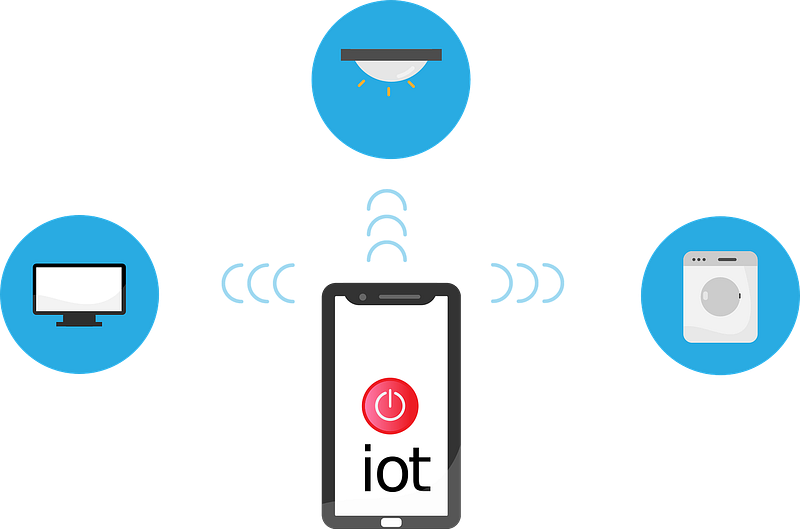
As remote work becomes the norm, our homes are transforming into offices equipped with a myriad of smart devices. From smart thermostats and security cameras to voice-activated assistants, the Internet of Things (IoT) has made our lives more convenient. However, the increasing integration of IoT devices into home workspaces comes with a potential downside — heightened security risks. This article explores the vulnerabilities associated with IoT devices in remote work environments and provides practical insights into securing these interconnected technologies.
The IoT Invasion
The integration of IoT devices has undeniably enhanced the way we live and work. However, as our homes become smarter, they also become more susceptible to cyber threats. This section will delve into the widespread adoption of IoT devices in home workspaces and the potential risks associated with their interconnected nature.
Understanding IoT Security Risks
Highlighting the unique security challenges posed by IoT devices, this section will address issues such as weak default passwords, lack of regular software updates, and the potential for devices to act as entry points for cybercriminals into home networks. By understanding these risks, remote workers can take proactive measures to safeguard their digital sanctuaries.
The Attack Surface of Smart Homes
The article will explore the expanded attack surface presented by smart homes. With each connected device acting as a potential entry point for cyber threats, the cumulative risk becomes substantial. Understanding how hackers might exploit this larger attack surface is crucial for implementing effective security measures.
Securing IoT Devices A Home Office Guide
This section will provide practical tips and guidelines for securing IoT devices in home workspaces. Topics will include changing default passwords, updating firmware regularly, segregating IoT devices on a separate network, and employing network-level security measures such as firewalls.
The Role of Endpoint Security
Highlighting the importance of endpoint security, the article will discuss how comprehensive security solutions can protect all devices connected to a home network, including IoT devices. It will emphasize the need for antivirus software, intrusion detection systems, and regular security audits.
Educating Remote Workers
The article will underscore the significance of educating remote workers about the potential risks associated with IoT devices. By promoting awareness and providing training on cybersecurity best practices, individuals can become the first line of defense against IoT-related threats in their home offices.
Industry Standards and Regulations
This section will touch upon existing industry standards and regulations related to IoT security. It will discuss how adherence to these standards can contribute to a more secure IoT ecosystem and encourage manufacturers to prioritize security in their device designs.
Looking Ahead Future Trends in IoT Security
The concluding part of the article will explore emerging trends and technologies in IoT security. From blockchain-based solutions to the evolution of security standards, staying informed about future developments is crucial for maintaining a resilient defense against evolving cyber threats.
As our homes become more connected, securing IoT devices in remote workspaces becomes paramount. By understanding the risks, implementing security best practices, and staying informed about emerging technologies, remote workers can transform their “Home Sweet Home” into a “Home Secure Home,” ensuring a safer and more productive work environment.


