
Home remedies for peripheral neuropathy. How to reduce symptoms and improve quality of life?
I am a diabetic patient. My doctor has prescribed me Neuromet (Mecobalamin ) and Vitamin E.
Neuropathy is a disease of the peripheral nerves or inflammation of the peripheral nerves. This is a large group of diseases of the peripheral nervous system . There may be many causes of neuropathy and its symptoms, depending on what parts of the system are affected by the disease. There are acquired neuropathies (due to acquired damage to the peripheral nerves) or congenital neuropathies.
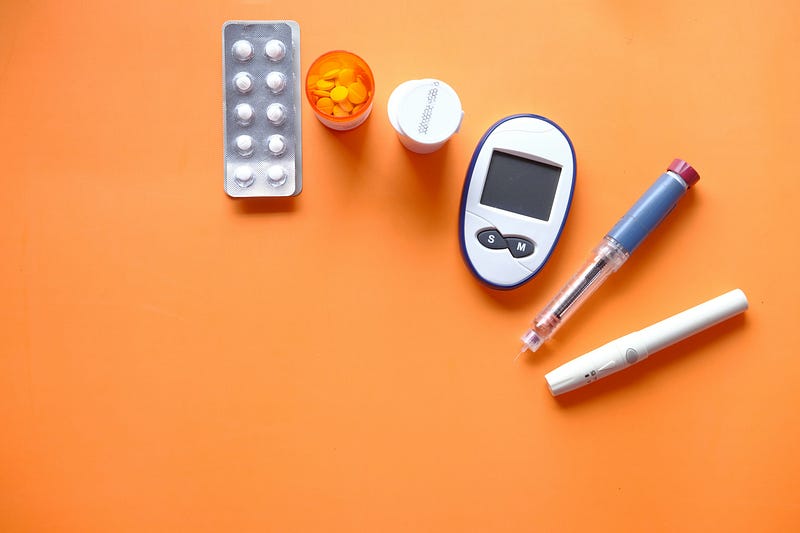
Neuropathies can develop due to injury or compression of a single or multiple nerves . The reasons may be:
- infections,
- diabetes ,
- chronic kidney diseases,
- poisoning,
- alcoholism,
- cancer.
Most peripheral nerves have sensory and motor fibers, so symptoms of neuropathy usually cause characteristic symptoms . Patients will focus on:
- burning or burning pain,
- numbness in limbs,
- paresthesia ,
- hyperesthesia,
- hypoesthesia,
- feeling of warmth or cold,
- a sensation of pricking or light touch,
- problems with movement, e.g. climbing stairs,
- muscle weakness,
- paresis,
Difficulty with precise tasks, such as writing, tying shoelaces, or buttoning buttons. I am not facing any difficulty at the moment. My fingers jam when I get up in the morning. I feel numbness in my feet.
In turn, damage to the fibers of autonomic peripheral nerves may cause excessive sweating, changes in skin color, urinary tract disorders, hair loss or other symptoms.
Home remedies for neuropathy
Neuropathy can be the result of various health problems, so first of all you should consult your doctor. Home remedies can help relieve the symptoms of some neuropathies. Here are some of them:
Healthy diet
Changes in nutrition can have a positive effect on the functioning of the nervous system, so include more fruit and vegetables, nuts and whole grain products in your diet. Avoid simple added sugars, processed foods and trans fats.
Supplementation
According to The Foundation for Peripheral Neuropathy, certain substances in supplements can alleviate the symptoms of neuropathy, including: B vitamins, vitamin D, E, alpha-lipoic acid, omega-3 fatty acids. Before starting supplementation, it is worth consulting your doctor.
Regular physical activity
Exercise improves blood glucose control, the functioning of the circulatory system and the overall fitness of the body, and thus can prevent and alleviate the symptoms of neuropathy. It is worth consulting a physiotherapist to find the best and safest type of activity for you.
Preparations with capsaicin
Capsaicin is a compound derived from chili peppers and is responsible for its spicy taste. Research shows that this substance relieves pain, including those related to neuropathy, and reduces the sensitivity of nerves to pain signals. You can use ready-made preparations with capsaicin.
Massages
Massage improves circulation and relaxes muscles, so it may reduce pain and discomfort in neuropathy.
Compresses
To reduce the pain associated with neuropathy, it is worth trying applying cool or warm compresses to the area of pain. Additionally, cold compresses will reduce swelling and inflammation.
Avoid excess caffeine
Caffeine affects the nervous system and therefore its limitation is recommended in the case of peripheral neuropathy. Avoid drinking caffeinated drinks, especially in the second half of the day, which will also improve the quality of your sleep.
Giving up smoking cigarettes
Cigarette smoking promotes neuropathy, so quitting the habit by improving blood flow may reduce the symptoms of neuropathy.
Avoid prolonged pressure
Prolonged pressure can irritate the nerves and worsen the symptoms of neuropathy, so try to prevent this. It is better not to stay in one position for too long, avoid leaning on your elbows, crossing your legs or sitting on them.
Meditation and acupuncture
Some people recommend alternative methods for neuropathy problems, such as meditation or acupuncture. Some patients experience less pain and improved well-being thanks to these techniques. Unfortunately, there are insufficient studies to prove their effectiveness.
Because there are many possible causes of neuropathy, finding the best way to relieve its symptoms may require testing different methods. Often the best results are achieved by combining them.
What else helps with neuropathy?
Everyday life with neuropathy is often very challenging. There are quite a few steps that can help improve your quality of life with this health problem. Here are some tips:
Get help from a psychotherapist . A specialist can help you accept your health problem and reduce the mental symptoms, such as sadness or anxiety, that sometimes accompany the disease.
Ask for and use help . Support from loved ones, even in dealing with basic matters or providing companionship, helps us function better.
Seek professional help if you are bothered not only by the symptoms of neuropathy, but also by its accompanying diseases, e.g. sleep problems or depression.
Go for a walk or to the cinema . Being alone makes you focus more on the pain, so try to distract yourself from the disease through various activities.
Find your balance . Find a balance between activity and time for yourself so as not to burden your body too much. Setting priorities, i.e. a list of things that should be done first, will help with this. Leave these less important matters for later.
When should you see a doctor about neuropathy?
If you experience symptoms of nerve damage, especially if they persist, you should see a doctor. Remembering that neuropathy may indicate serious diseases (e.g. cancer).
If neuropathy has been diagnosed, the following should prompt a visit: sudden worsening of symptoms, swelling, fever, wounds that are difficult to heal . People diagnosed with diabetes should see a doctor as soon as possible if symptoms of neuropathy appear.
By Nazeha Maryam Jamal — 4th Professional Medical Student