Hollywood Is Not Dying; The US Independent Film Industry Is
(Part 1 of 2.)
Click here for: Hollywood Is Not Dying; The US Independent Film Industry Is (Part 2 of 2.)
(NOTE: This essay on Independent Filmmaking was written on November 14, 2019, so before COVID-19, but the message stands even stronger now. It will be published in April, 2020. All Rights Reserved)
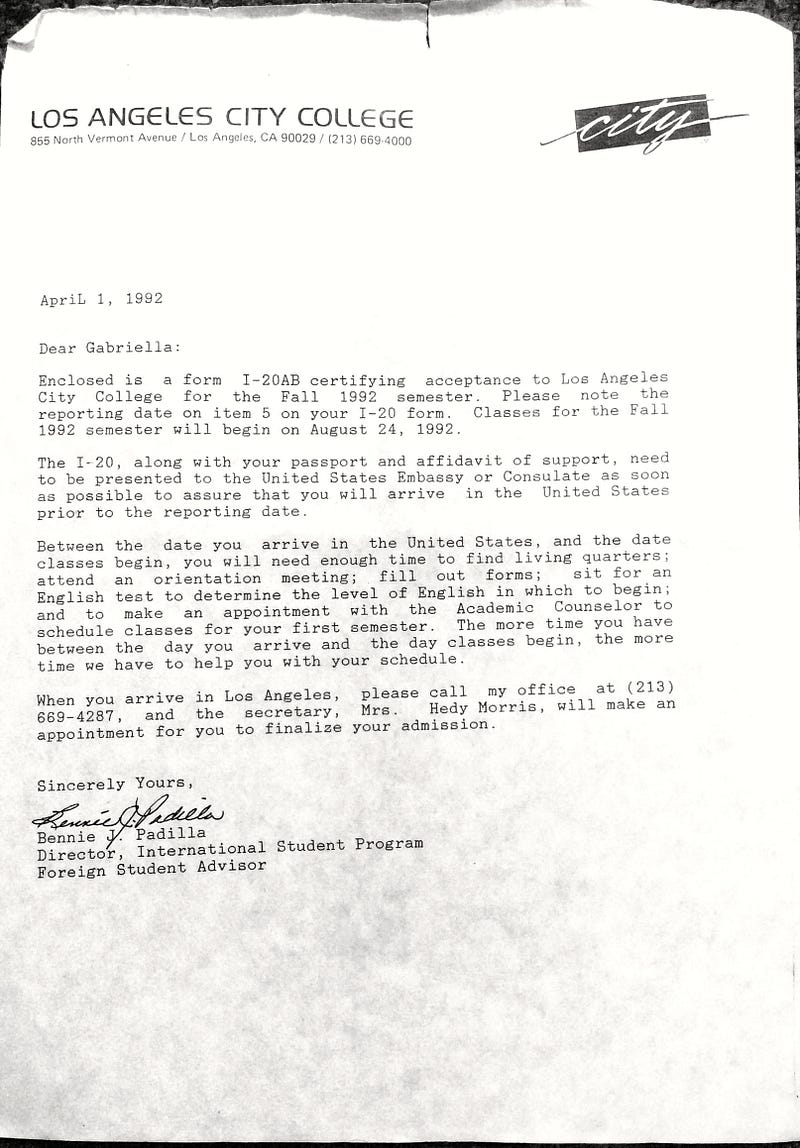
The Auteur: An Independent Filmmakers Publication
The Auteur: An Independent Filmmakers Publication, to be launched shortly on Medium at medium.com/@theauteur, will be a Film Theory & Film Criticism Publication by Film Organization The Auteur.
The investigation into the State of Independent Filmmaking, and the fact that it is still relevant as an Art Form today, is the main reason why I am launching my Film Publication The Auteur.
I’d like to contribute a few potential solutions to ensure its’ survival.
The Film Industry in general is in trouble, in many ways, the Studio System itself long swallowed up by big conglomerates, the industry currently embroidered in scandals of sexual harassment and exposed as entirely male-centric like never before, although none of this will guarantee any “death of Hollywood,” and now heavily caught up in the Streaming Wars, which will probably hurt the mainstream, theatrical release intended movies the most, financially speaking anyway.
But the Hollywood Film Industry as a whole did however survive the invention of the Talkies, the Television and Cable, and is still in business some 20 years into the Internet’s existence. And Hollywood has never even existed without scandals, and feeds off its’ scandals exactly.
However, what’s really troubling is the State of the Independent Film Industry in particular, and the financial stakes are actually higher, even if the budgets are way lower, because for independent filmmakers having a financially sustainable career is way harder than for mainstream directors, and it probably shouldn’t have to.
When a big industry is on shaky ground or in active flux the first businesses to suffer and fold are the smaller ones, just like the smaller pizza parlors make way for corporations like Pizza Hut, and independently owned coffee houses for massive coffee chains like Starbucks.

I think that the internet specifically, and way beyond its streaming capabilities, but primarily through its’ social media capacities, helped a great deal in putting a dent in mainstream movie box office revenues.
But there are still many financing structures in place to support mainstream fare, and there are still plenty of audiences for them.
Again, it’s the smaller, independent film production and distribution companies, the ones who put together films for well under 10 million throughout the 1990s, that went out of business one by one sometime in the 2000s.
And the internet did not successfully replace these companies somehow, and no particular financial structure exists online, besides Crowd-Funding websites really, to help independent filmmakers in any significant way financially.
The internet somehow also did not democratize independent filmmaking altogether, like many of us in the 1990s who were swept up in a “digital revolution” had hoped for, and is in fact still very much controlled by big money from big corporations.
What the internet did do is democratize the way people absorb media, giving us increasingly more options than we could have ever hoped for.
And beyond this the internet has opened up many ways to be more actively involved in creating media ourselves, through creating videos, posting pictures, writing articles, and simply interacting more directly and immediately with each other, which is something people have craved for for a long time and which the internet simply plugged into, making it a huge success.
The ways in which we absorb and create media online have even successfully prepared us for another “revolution” long overdue, the wider acceptance of documentaries as both an entertaining and informative art form, as well as taking short form content, beyond commercials and music videos, more seriously finally, and both these art forms as commercially viable.
That’s all the good stuff the internet did, besides last but not least actually informing and educating minorities about our very existence as well, and validating us this way, despite all the backlash that has also been made possible online.
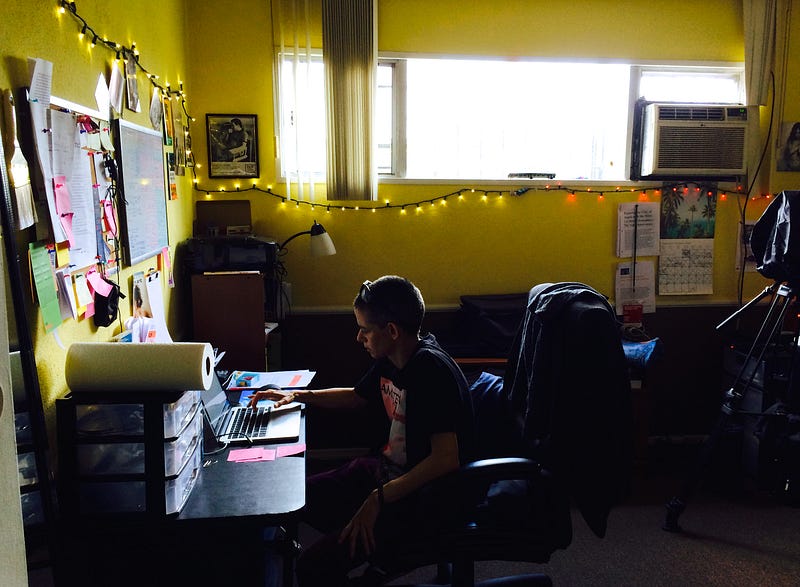
But all of this leaves the Independent Film Industry in trouble. The companies that traditionally supported them have gone bankrupt, and smaller theatrical venues which exhibit these kinds of films are following suit, and the independent film directors who have garnered enough credibility have made a mostly successful transition to directing episodical TV on online shows, and without the professional stigma that was involved in such switches in Hollywood in previous decades.
In fact, episodical TV is as strong as it could be, and it is a smart decision to pick up work in this field, since the finances for independent feature projects are simply not made available anymore like they used to, and it adds good credentials to ones’ professional resume to be involved in strong episodical media.
The question isn’t so much why Independent Feature Narrative Filmmaking as an art form and a way to make income has disappeared, for the internet answers most of that, but if Independent Filmmaking as its’ own Art Form is still necessary.
I personally believe Independent Filmmaking mostly fell victim to rapidly involving technology and the funding of that, and opening up opportunities for every one who ever had something to say, or wanted to say something, to actually do it themselves.
It was the prospect of being instantly published, instantly seen and instantly validated that drove a lot of people to make online creative content or be very active in social networking.
I also think the backlashes of instant recognition and validation seeking, and the effects of real time news and constant interaction have started to show as well, besides all sorts of safety breaches that are being exposed and misinformation that has spread beyond belief.
Studies have come out on anything from instant dopamine release and depression to desensitization and radicalization caused by internet behavior, preachily because of the way it provides such vast quantities of information and at such lightening speeds that humans brains are not simply not equipped at processing.
And so the fact is that one of the biggest things to fall victim to instant and constant interaction is actually one’s individual, self-reflective capability for critical thinking, and the properly processing of deep feelings based on that.
Thank you for reading,
The Auteur: An Independent Filmmakers Publication
The Auteur will launch shortly as a Los Angeles-based 501(c)(3) nonprofit Film Organization (2020)
Brief Bio