
Hobby — Painting for Beginners
Think about why you want to learn to paint and what you want to gain from it.
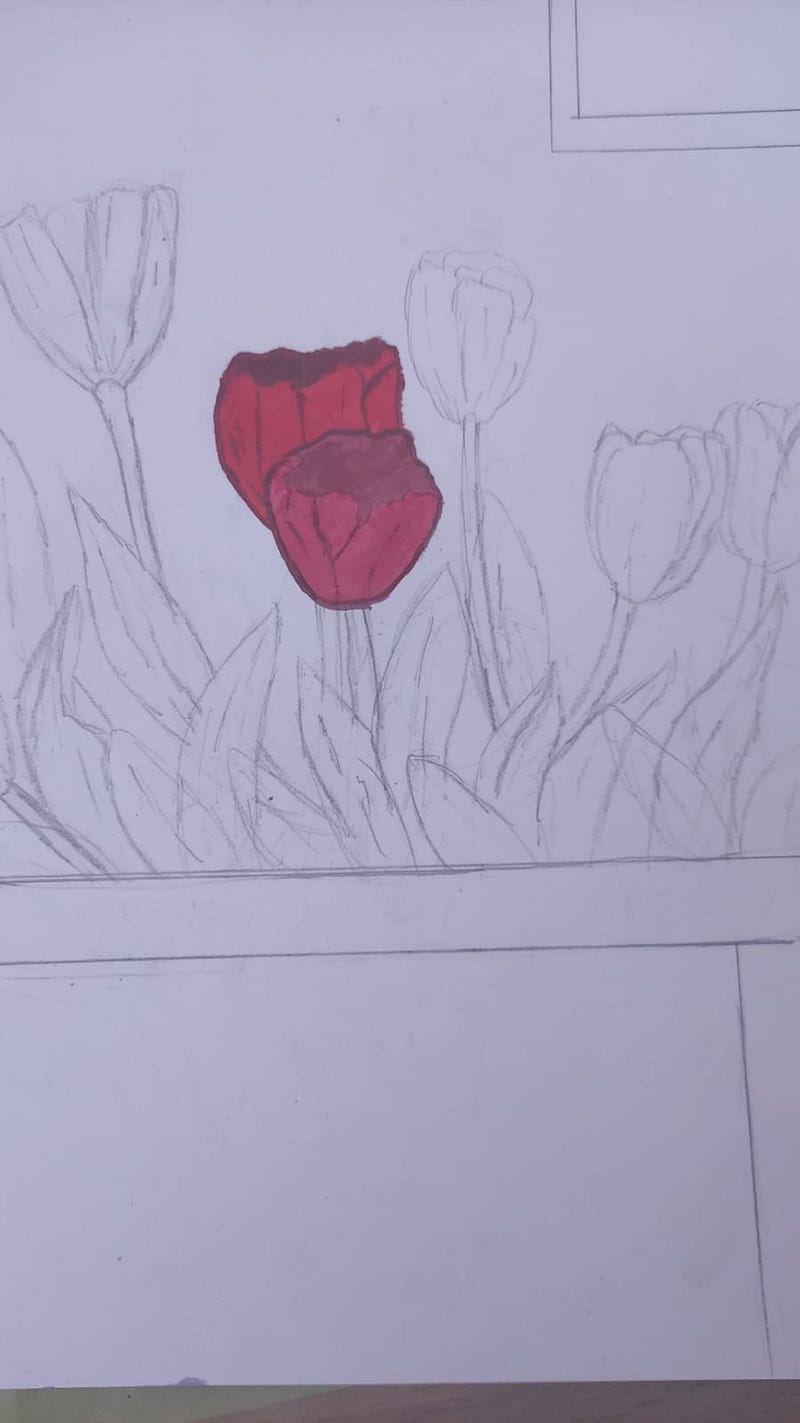
Step 1: First, decide what you want to paint.
One of the most difficult components of painting is deciding what to paint before you take up your brush. Before moving on to more complicated compositions, start with simple topics like still lifes (landscapes, portraits). Follow your gut when it comes to composing your subject! The ideal topic would be both motivating and difficult. You must feel compelled to paint it. Here are some questions to consider when deciding whether or not a subject is worth painting: A single thought that inspires you to paint it. Is there a distinct and recognizable color scheme? Is the subject visually appealing (consider the arrangement of shapes, forms, lines, and colors)? Is it possible for you to paint it? Do you have everything you’ll need to paint it? Do you think you’ll be able to see a finished painting at the end of it all? If that’s the case, do you like what you see? When you’re not sure if a subject is worth painting, ask yourself these questions. For instance, the photo below is something I’d want to paint. I like how the light greens are catching the sun while the foreground is under shade. If I were to paint it, this is what I would focus on capturing — my major concept. The arrangement is intriguing. Between lively and peaceful areas, there is a good balance. This is something I could see myself painting.
Before you go out and get all of your new art equipment and start pouring paint on the canvas, think about why you want to start painting in the first place and what you want to gain from it.
Your responses will dictate how you go and what you should study. I don’t believe there is a set route to mastering painting that everyone must follow. Everyone has distinct tendencies, interests, and inherent abilities that influence the best learning route for them.
Some people, for example, lack the patience to sit and meticulously reproduce every tone and nuance of a topic. As a result, they may be more equipped to study color and brushwork from the Impressionists rather than the Russian academic artists’ strict techniques.
Maybe you don’t want to break into the professional art field and just want to have a fun pastime. The first step to a successful painting is to draw! Although not all artists create one, it will aid in the placement of the main pieces in space as well as the definition of shapes and proportions. Use small layers of color mixed with water to apply the paint.
Step 2: Select a Medium (Acrylics, Oils or Watercolors)
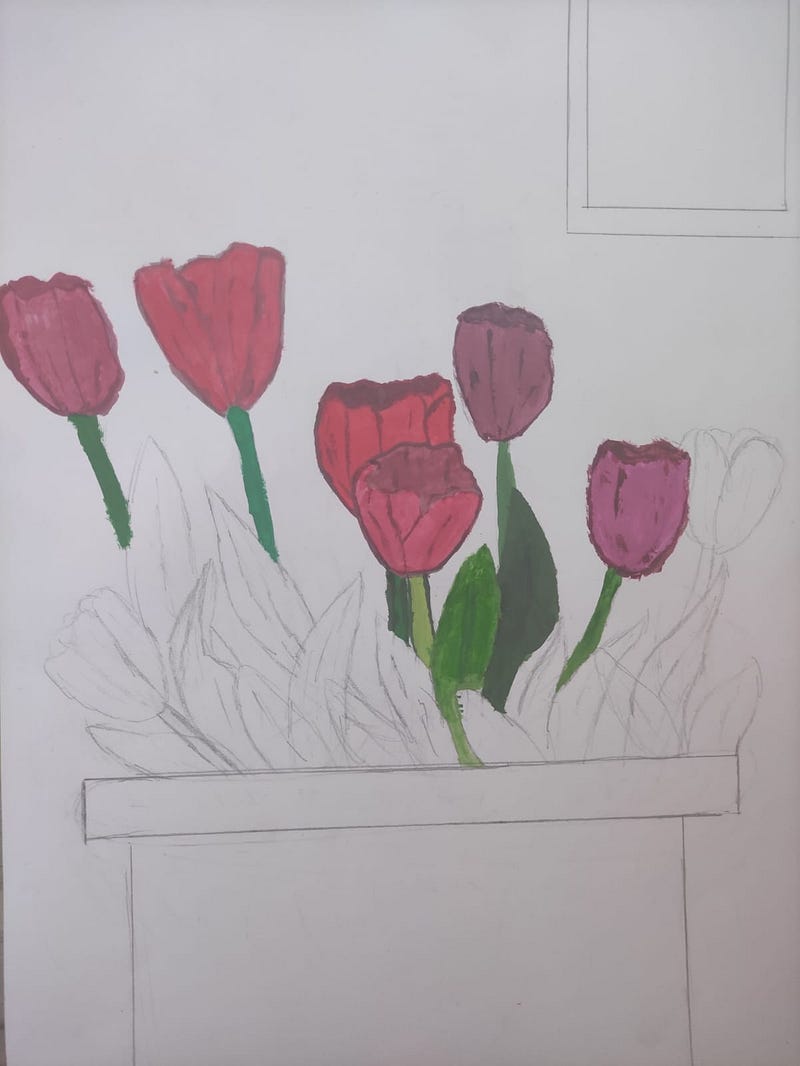
Next, choose a medium to concentrate on, at least for the time being. This will help you to acquire a better understanding of how the medium works, allowing you to focus more on the big-picture components of painting, such as color, composition, and value.
Oils, acrylics, and watercolours are the most popular options. Other choices, like as gouache and watermixable oils, are available, but I won’t go through them in this article.
However, there is no correct response in this case. Every media has advantages and disadvantages. Here’s a quick rundown of the various media to help you determine one is best for you:
You’re a total novice who doesn’t want to waste time learning the intricacies of oil and watercolor painting.
Experimenting with mixed media is something you like doing. You are allergic to the harsh chemicals that are used in oil painting. Working from lightest to darkest, begin with the lightest color. Add water, not white, to get lighter colors: white darkens a hue and makes it opaque.
Remember to let each coat of paint dry completely before applying the next: this will keep your colors and touch vibrant and crisp. Draw the major characteristics of the picture lightly using a soft pencil, charcoal (better for adding shadows and light), or acrylics, which have the benefit of not vanishing when you want to start painting. Are you hesitant to sketch with a pencil? To assist you, use a grid or tracing paper.
The final stage is to add the things that give your picture life. Colors should be brighter, with more volume and highlights. Are you just starting out? Patience and a lot of practice will show you how simple it is to work with acrylics!
Step 3: Buy Your Materials
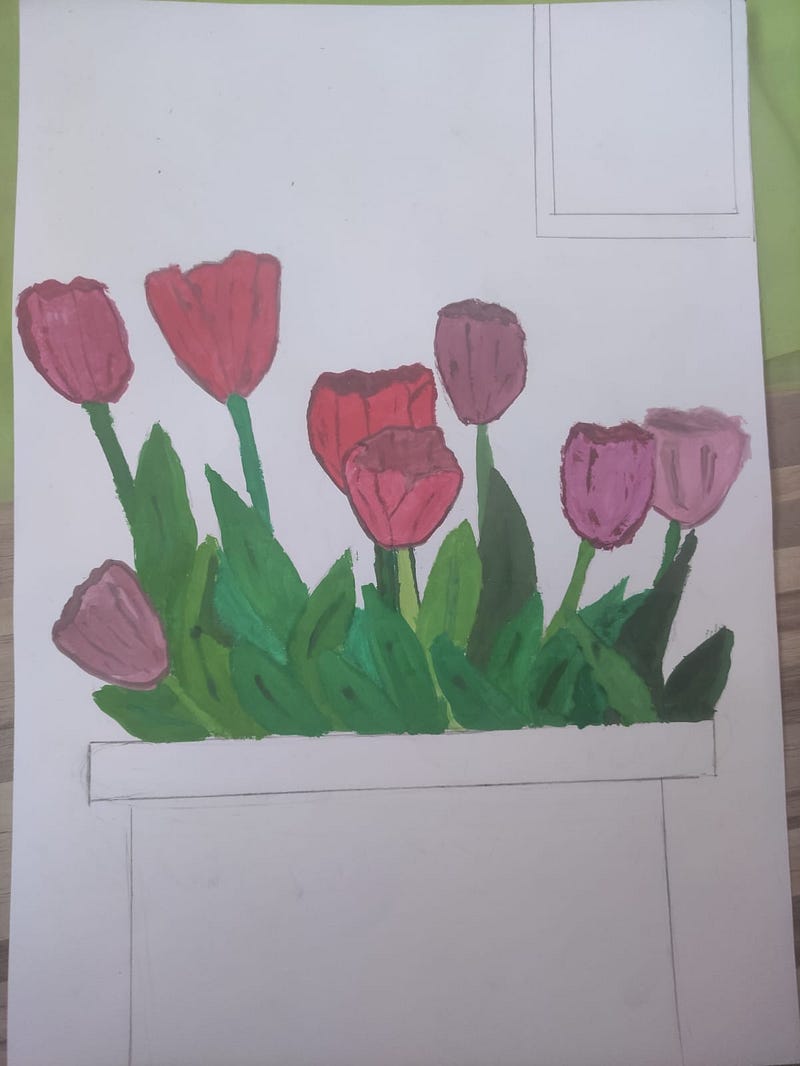
Now is the time to restock your art supplies. But before you go out and purchase every sort of brush or every color of paint, make sure you go through this part first — you don’t need that much! Depending on the media you choose, the resources you receive will differ. All you need, in a broad sense, is: A canvas, a palette, and paintbrushes That’s all there is to it. Painting may be as simple or as complex as you want it to be.
All of stuff may be found at your neighborhood art store. If you’re a complete newbie, a beginning kit containing most of the essential supplies you’ll need can be a good place to start. Later on, you can upgrade. My key recommendation is to keep things simple and invest in quality where it counts.
Step 4: Familiarize yourself with the fundamentals of art.
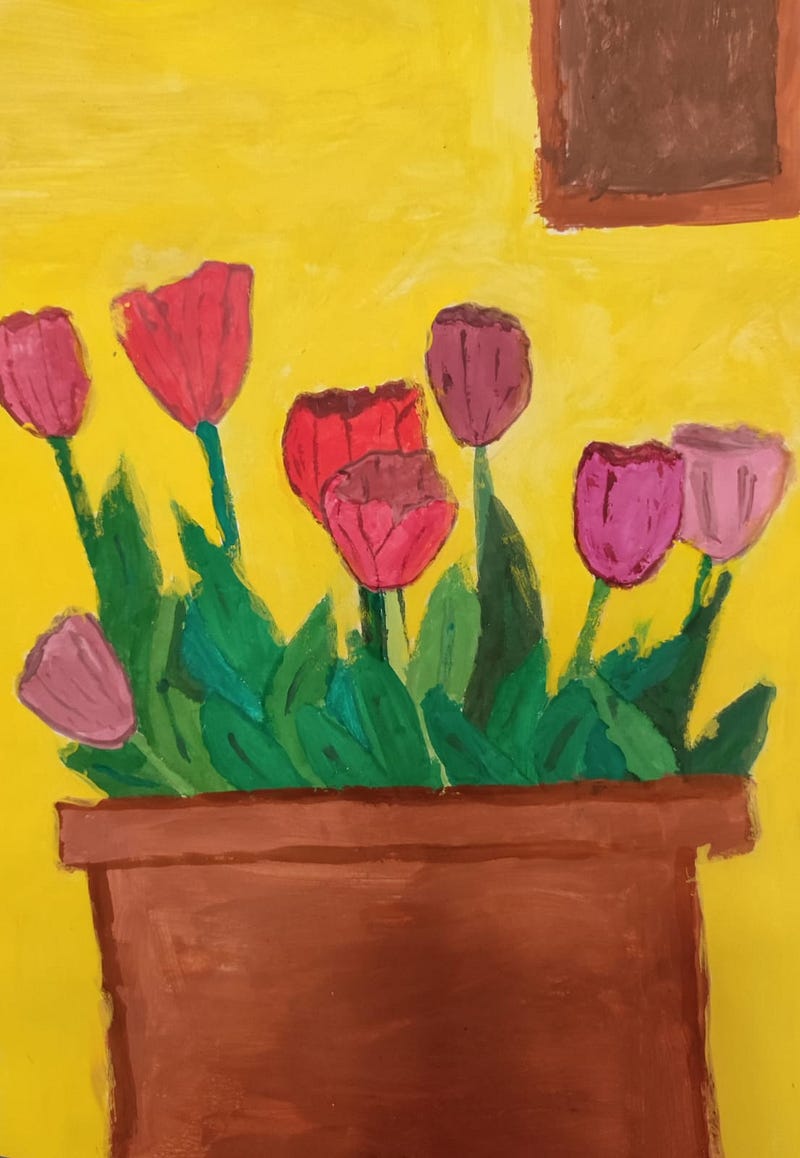
I believe in learning effectively rather to simply putting in time for the sake of it. If you don’t know what you’re doing, you can practice for years and yet not progress. Color, value, composition, edges, brushwork, and technique all play a role here. These are the fundamentals of painting, in my opinion. It’s critical that you become familiar with them as soon as possible since they’ll assist you grasp what’s going on when your brush touches the canvas. Every stroke you make will be aided by mastering these fundamentals.
If you enjoyed , please comment and applaud. Nothing is more encouraging than hearing from readers! Finally, please give a follow. I’ll follow you back to help the community grow. I value your thoughts and contributions and I hope you’ll value mine.