avatarDr. Preeti Singh

Free AI web copilot to create summaries, insights and extended knowledge, download it at here

3296

Abstract

d="530f">The insides of the Qutab area are being repaired to show the beautiful carvings of the olden days.</p><p id="7317">I was struck by the architecture and the beautiful engravings all of that time during the 15th and 16th centuries.</p><p id="f5a4">These were claimed by Jain historians as temples belonging to their sect in that era.</p><p id="6581">On every boulder there are inscriptions and each boulder is the same shape. The sense of design in those days was perfect even without any technology.</p><figure id="718d"><img src="https://cdn-images-1.readmedium.com/v2/resize:fit:800/1*[email protected]"><figcaption><b>Qutab Minar Photo credit Author Preeti Singh</b></figcaption></figure><h2 id="a42f">Qutab Minar in full light</h2><p id="8924">I took this picture in the glory of Qutab fully lit. Then I decided to also take pictures of the Qutab from different facets and different sides going from dark with background lighting to sparks of light and finally to the full brilliance of the Qutab under the light.</p><figure id="3989"><img src="https://cdn-images-1.readmedium.com/v2/resize:fit:800/1*[email protected]"><figcaption></figcaption></figure><figure id="7b8c"><img src="https://cdn-images-1.readmedium.com/v2/resize:fit:800/1*[email protected]"><figcaption></figcaption></figure><figure id="645e"><img src="https://cdn-images-1.readmedium.com/v2/resize:fit:800/1*[email protected]"><figcaption><b>Photos credit Author Preeti Singh</b></figcaption></figure><h2 id="85a3">Qutab Minar from different angles</h2><p id="3f56">This was the most interesting structure to take photos of as it required angles and moving around to locate the best fit for the QutabMinar to be photographed.</p><p id="7fbe">What is Qutab Minar and why am I so interested in it? The <b>Qutab Minar</b> is a minaret and “victory tower” that forms part of the <a href="https://en.wikipedia.org/wiki/Qutb_complex">Qutab complex</a>. It was founded by the Tomar Rajputs. It is a UNESCO World Heritage Site in the Mehrauli area of South Delhi, India. It was built built between 1199 and 1220.</p><p id="0652">It was begun by Qutb-ud-din Aibak, who later became the first <a href="https://en.wikipedia.org/wiki/Sultan_of_Delhi">Sultan of Delhi</a> of the Mamluk dynasty. It was continued by his successor <a href="https://en.wikipedia.org/wiki/Iltutmish">Iltutmish</a> and finally completed much later by Firoz Shah Tughlaq, a Sultan of Delhi from the Tughlaq dynasty 1320–1412</p><p id="7887">The Qutab was closed from the inside following a tragedy when people were trapped inside and died due to an electricity failure. . 45 were killed and some were injured in 1981. Most of these were schoolchildren. Since then, the tower has been closed to the public.</p><figure id="d428"><img src="https://cdn-images-1.readmedium.com/v2/resize:fit:800/1*[email protected]"><figcaption><b>Photo credit. Author Preeti Singh</b></figcaption></figure><h2 id="de71">The Ashoka Pillar</h2><p id="2d29">What does Ashoka Pillar mean?</p><p id="db6b">In both Buddhism and Hinduism, the pillar symbolizes the axis mundi (the axis on which the world spins). The pillars and edicts represent the first physical evidence of the Buddhist faith. The inscriptions as

Options

sert Ashoka’s Buddhism and support his desire to spread the dharma throughout his kingdom.</p><p id="07e0">People had to put their arms on the round iron pillar at the Qutab. The iron pillar in India was manufactured by the forge welding of pieces of wrought iron.</p><p id="4bd7">It is said that very few people could circle their arms around it. You had to stand in front of the pillar and encircle the arms at the back of the pillar. This used to be a great attraction point.</p><p id="83c7">I went running to that point but now they have closed it. There is a barbed wire around it. The guide told us that people had been disfiguring it and some had even written love songs or names of people. So now you cannot approach it from anywhere.</p><figure id="2f2e"><img src="https://cdn-images-1.readmedium.com/v2/resize:fit:800/1*[email protected]"><figcaption></figcaption></figure><figure id="cef1"><img src="https://cdn-images-1.readmedium.com/v2/resize:fit:800/1*[email protected]"><figcaption><b>Photo credit: author Preeti Singh</b></figcaption></figure><h2 id="3bf9">Jain temples influenced by Islamic art</h2><p id="4428">If you take a tour around the Jain temples you will notice that the architectural styles are completely influenced by Islamic art and Moghul Art.</p><p id="ee2d">The confluence of Indian and Islamic art made the structures look more elegant and beautiful.</p><figure id="e9f4"><img src="https://cdn-images-1.readmedium.com/v2/resize:fit:800/1*[email protected]"><figcaption><b>Photo credit: Preeti Singh Author.</b></figcaption></figure><h2 id="9aa5">One last look</h2><p id="738e">The last look at the beautiful monument. We made excuses and tried to sit down because we said that we had walked so much. The authorities however waved a goodbye and we had to leave for the day as the time for closing the monument was there.</p><p id="71e4">I loved the historical monuments. History may not be everything but it is beautiful, a starting point, and makes you recall your ancestors.</p><p id="92d8">©<a href="https://readmedium.com/dc34b46c1343">Dr. Preeti Singh</a>, 2023. To get my stories in your inbox, you may subscribe to my content <a href="https://preetisingh15.medium.com/subscribe">here</a>. You may connect with me on <a href="https://www.facebook.com/preeti.singh.1690/">Facebook</a>, <a href="https://www.instagram.com/preeti.singh.1690/">Instagram</a>, <a href="https://www.linkedin.com/in/dr-preeti-singh-35a2486a/">Linkedin</a>, or via email: [email protected]</p><div id="f706" class="link-block"> <a href="https://preetisingh15.medium.com/subscribe?source=post_page-----6ee3e8fc7e8d--------------------------------"> <div> <div> <h2>Get an email whenever Dr. Preeti Singh publishes.</h2> <div><h3>Get an email whenever Dr. Preeti Singh publishes. By signing up, you will create a Medium account if you don’t already…</h3></div> <div><p>preetisingh15.medium.com</p></div> </div> <div> <div style="background-image: url(https://miro.readmedium.com/v2/resize:fit:320/0*8dnuCJdPbOFKA19b)"></div> </div> </div> </a> </div></article></body>

History Comes Alive As I Visit The Qutab Minar

A picture story of Jamali Kamali and Qutab Minar
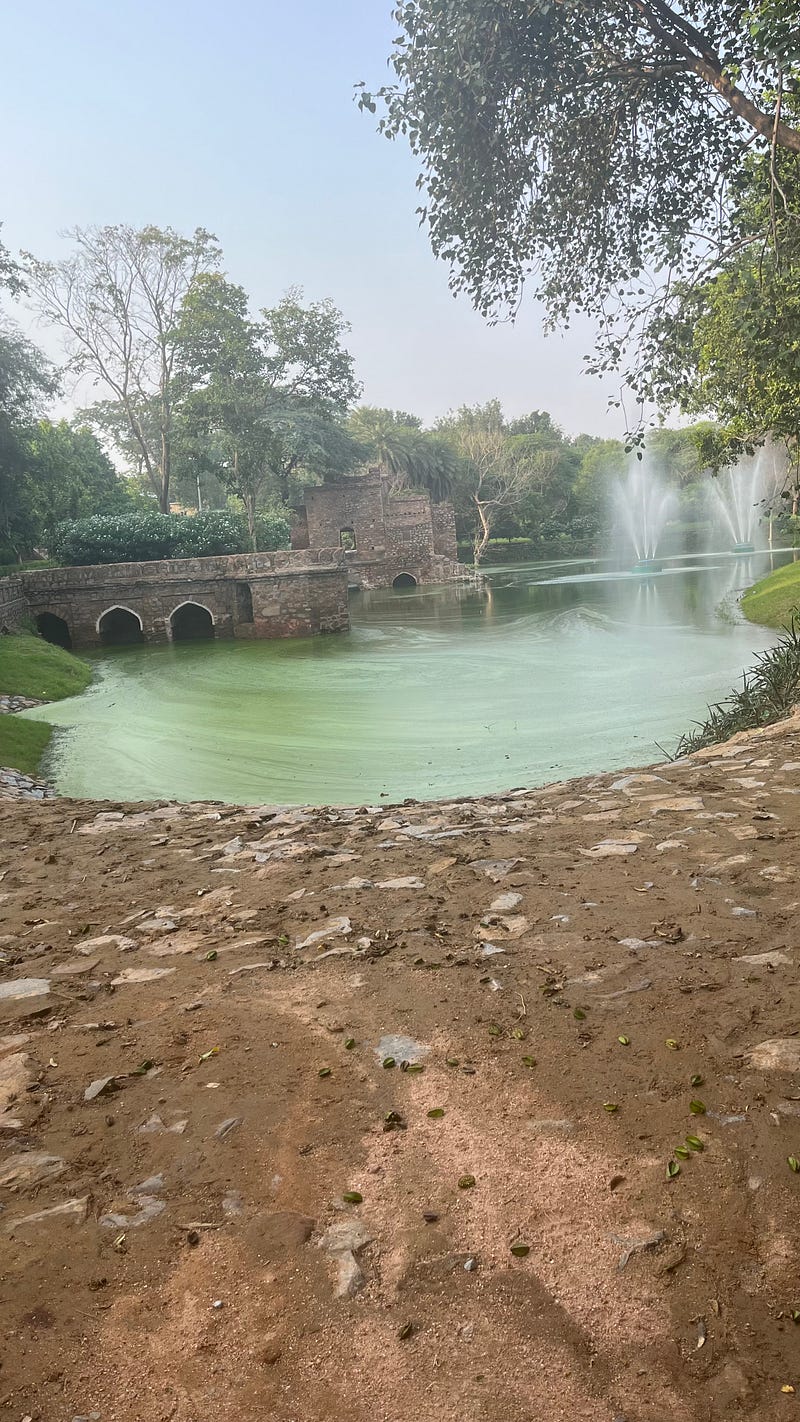
Nazir Ka Bagh- Photo Credit: Author: Preeti Singh

An organized trip was organized by the Saket Club for its members. Of course, I wanted to go. I was ready to walk and enjoy the beauty of the place so I put my name for the trip formally and zipped up my friends too to join in.

The garden visit

Our walk started with a garden visit and believe me, the guide made it so interesting that history actually came alive.

The guide told us a bit about the garden and I listened carefully. He narrated that

“Baagh e Naazir or The Garden of Nazir was built by the Mughal emperor Muhammad Shah Rangila’s Khwaja Sara Nazir in 1748. History says that he was involved in palace intrigues and thereby could gain power over either the sultan or one of his viziers, ministers, or other court officials. It is located around Jamali Kamali.”

His words and actions made it not only interesting but history became alive. This was going to be fun. The guide was great. He was bubbles of joy as he made actions and said things, that made you feel you were in the palace and around the actual scene of things happening in the olden times.

The garden was beautiful with fountains which seemed like the replica of the olden times. The building stood the test of time but the archeological survey had done some repair work.

The peace and the calm le

What I found remarkable, especially from taking photography point of view was the architecture of the stone building with arched windows and doors all symmetrically shaped.

Jamali Kamali

Jamali was a famous poet and Kamali was his wife. This structure was the one where Kamali was buried and there is a mosque next to the tomb.
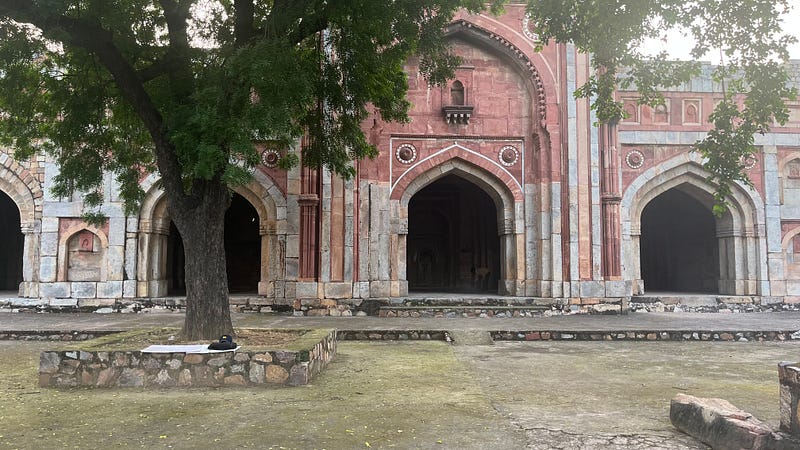
Jamali Kamali -Photo Credit Author Preeti Singh

Jamali means beauty and positivity in Urdu. Impressed by his poetry and seeing the beauty in his words, he was given the nickname Jamali. He traveled across Asia and the Middle East and became one of the most popular Poets of that era.

Here again, notice the arches are all symmetrical and the same design on the doors is seen.

The Moguhals offered Jamali a place in their court after they conquered India, and he remained there during the reign of Babar and Humayun, until his death.
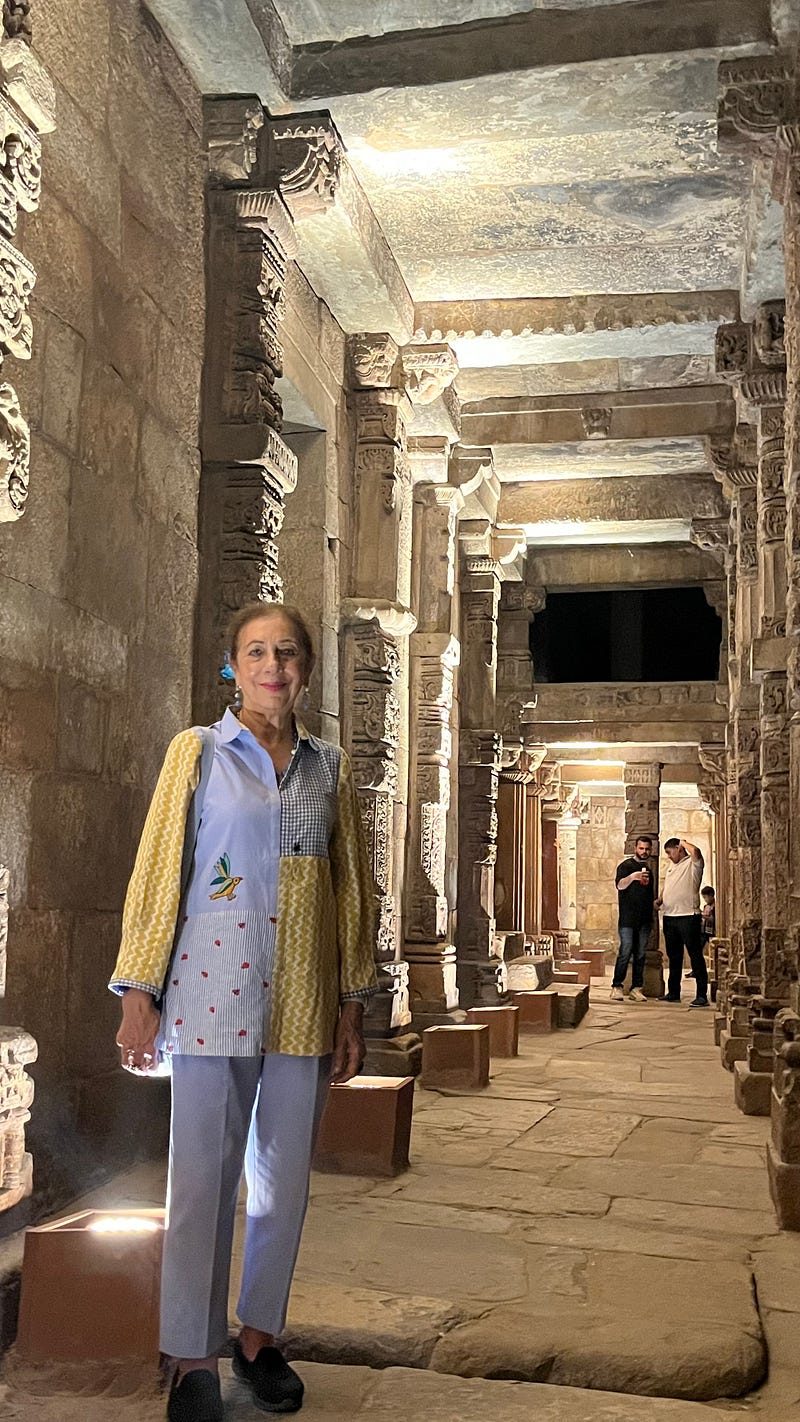
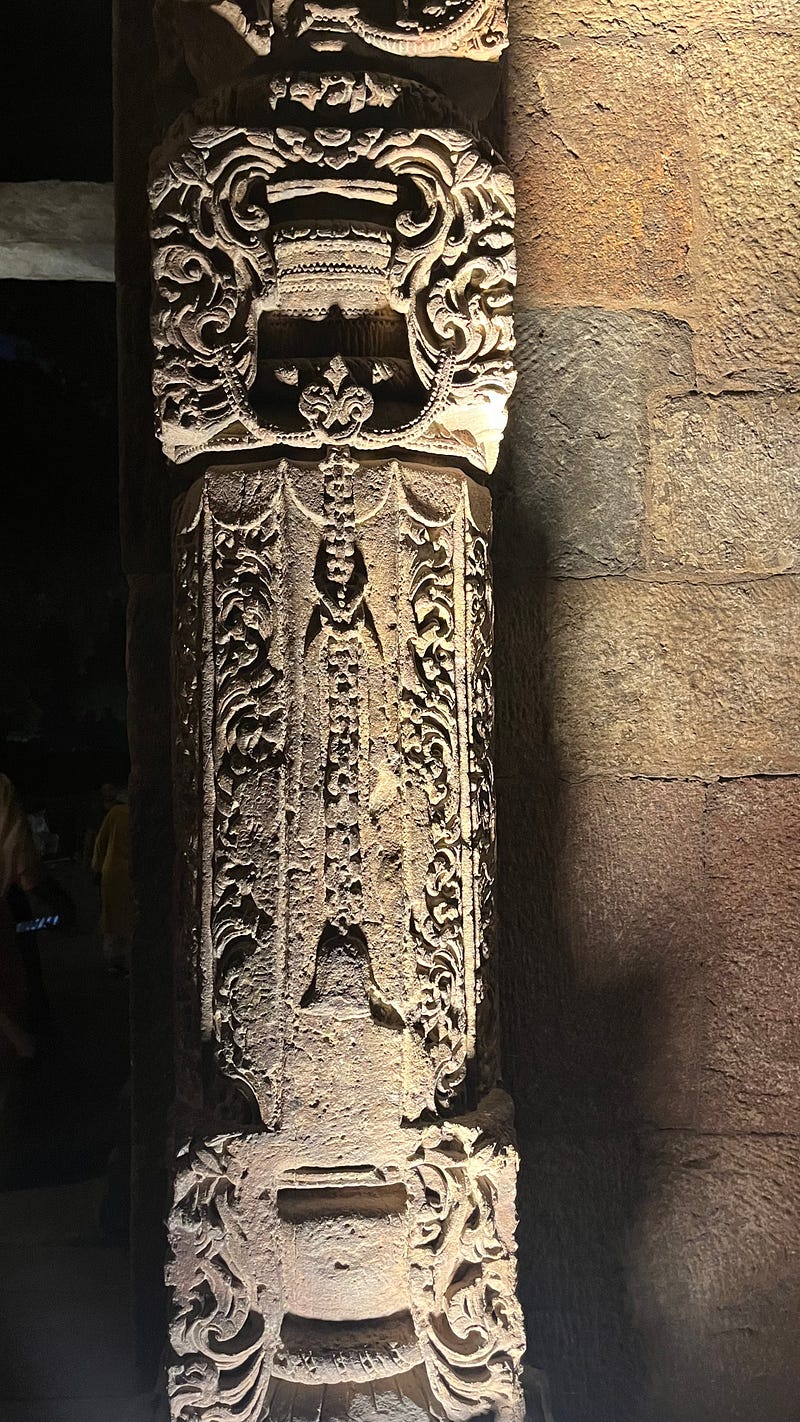
Photo credit: Preeti Singh

Qutab Minar enclosure

The insides of the Qutab area are being repaired to show the beautiful carvings of the olden days.

I was struck by the architecture and the beautiful engravings all of that time during the 15th and 16th centuries.

These were claimed by Jain historians as temples belonging to their sect in that era.

On every boulder there are inscriptions and each boulder is the same shape. The sense of design in those days was perfect even without any technology.
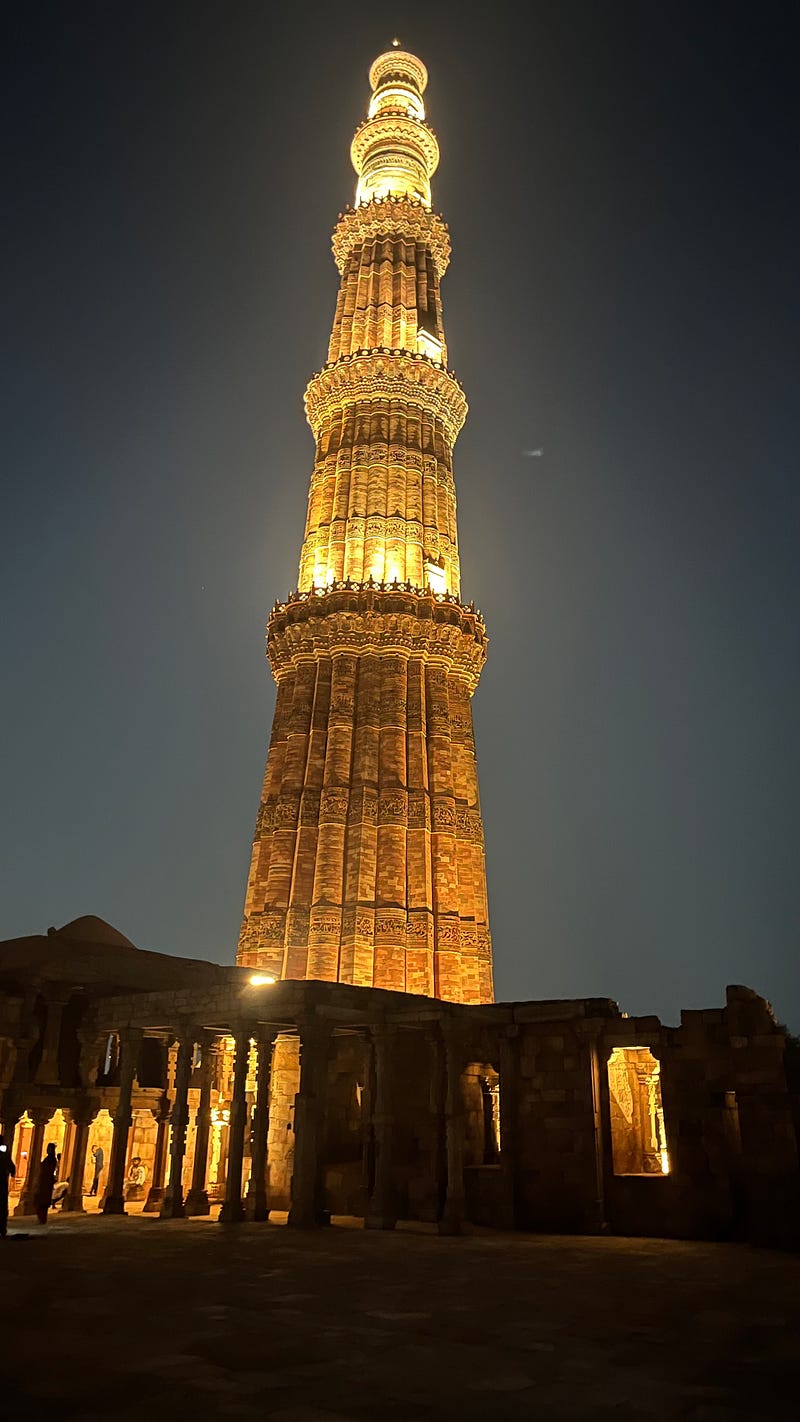
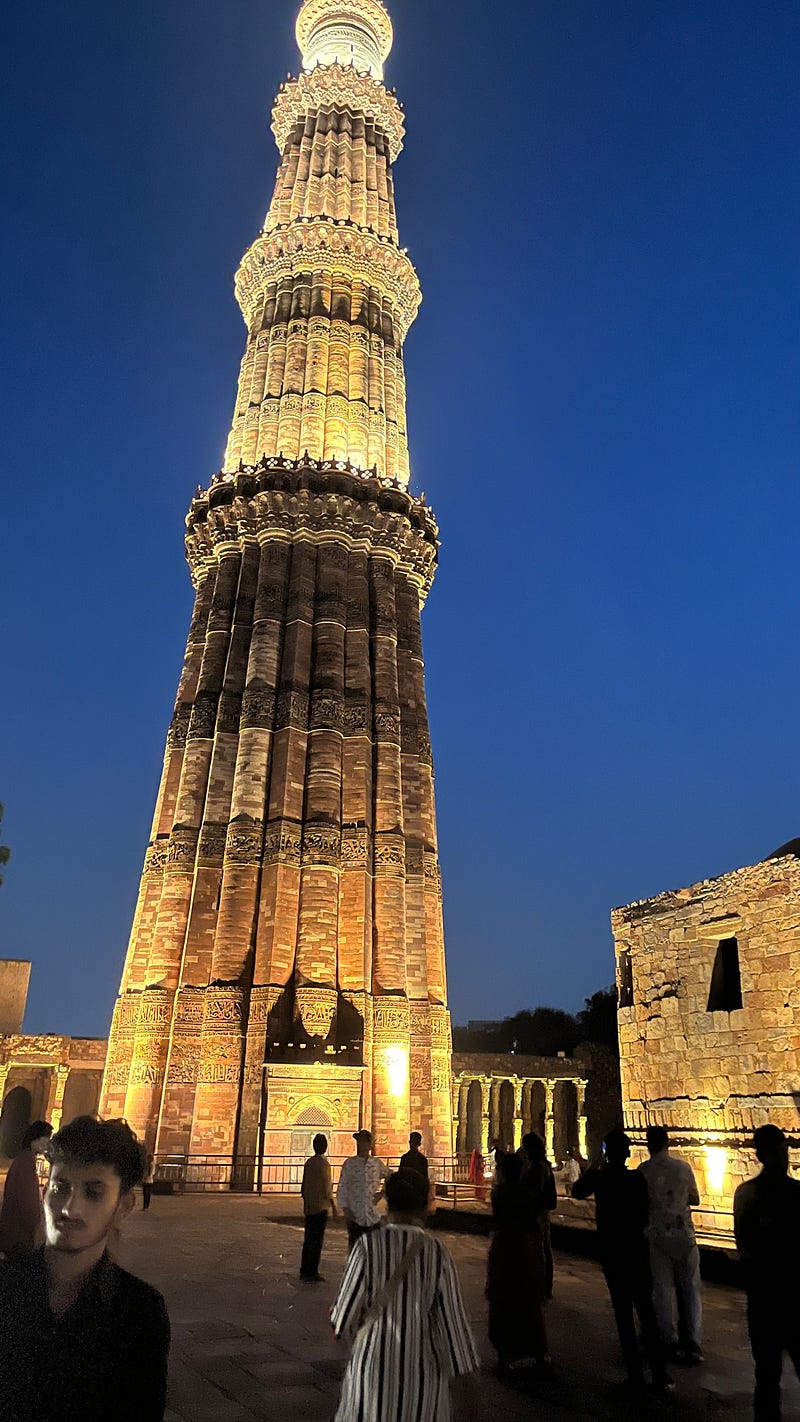
Qutab Minar Photo credit Author Preeti Singh

Qutab Minar in full light

I took this picture in the glory of Qutab fully lit. Then I decided to also take pictures of the Qutab from different facets and different sides going from dark with background lighting to sparks of light and finally to the full brilliance of the Qutab under the light.
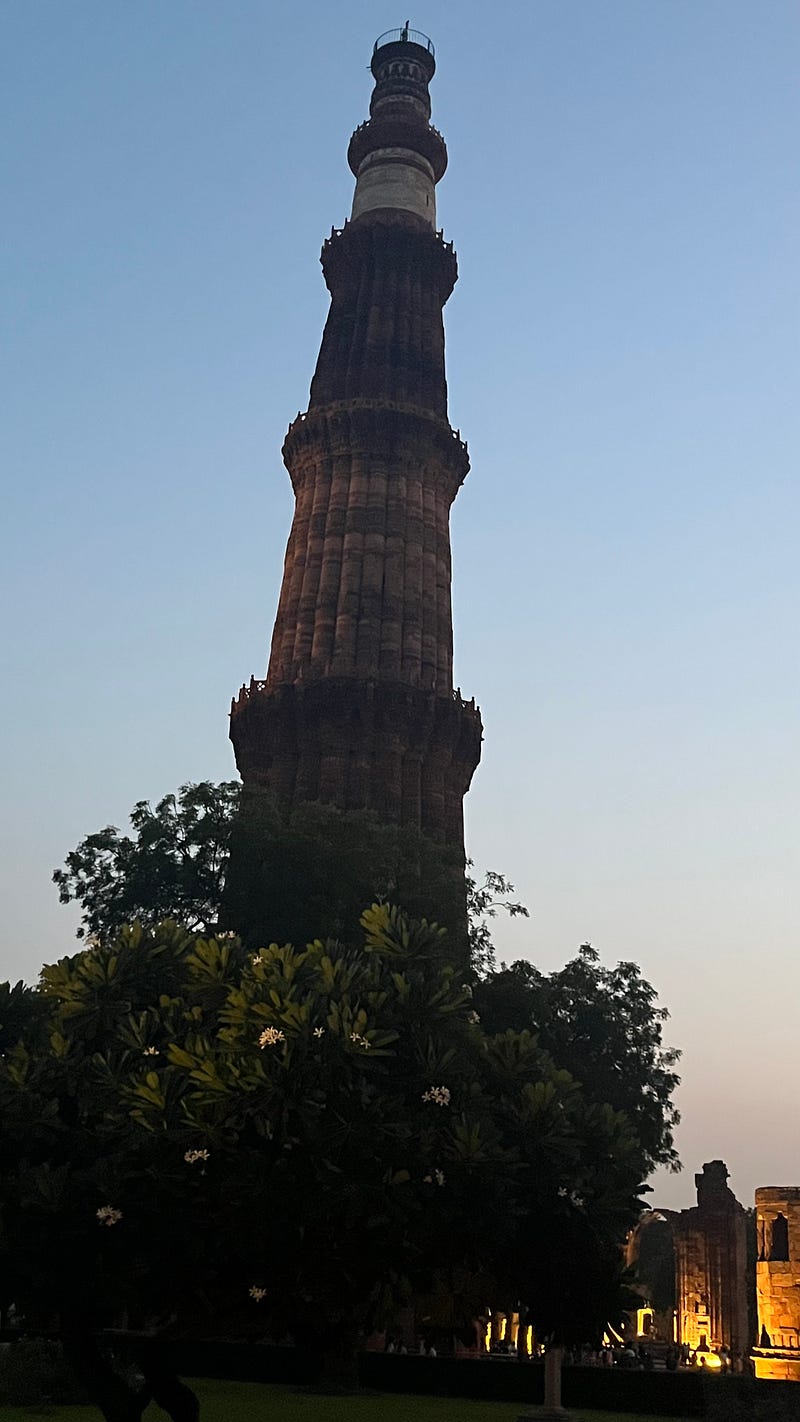
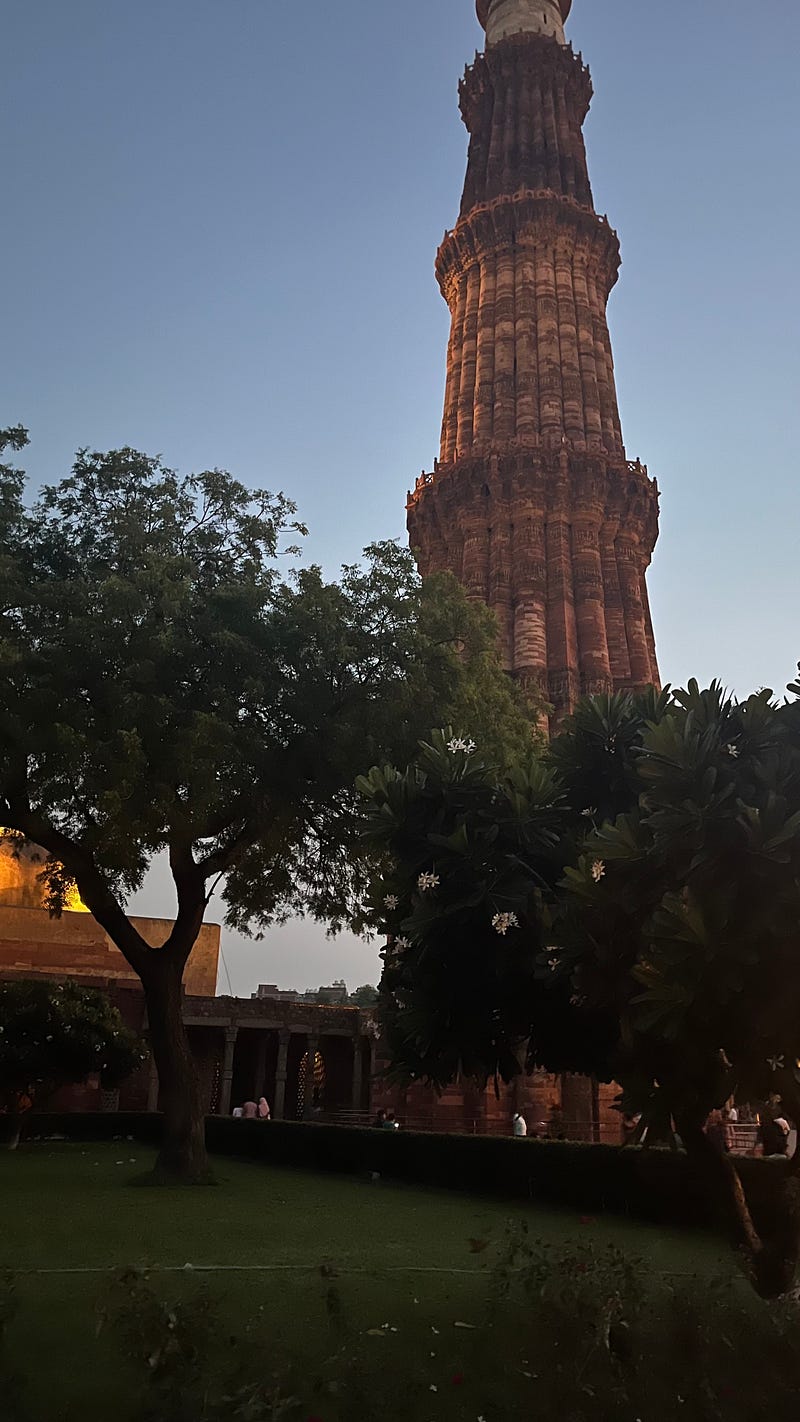
Photos credit Author Preeti Singh

Qutab Minar from different angles

This was the most interesting structure to take photos of as it required angles and moving around to locate the best fit for the QutabMinar to be photographed.

What is Qutab Minar and why am I so interested in it? The Qutab Minar is a minaret and “victory tower” that forms part of the Qutab complex. It was founded by the Tomar Rajputs. It is a UNESCO World Heritage Site in the Mehrauli area of South Delhi, India. It was built built between 1199 and 1220.

It was begun by Qutb-ud-din Aibak, who later became the first Sultan of Delhi of the Mamluk dynasty. It was continued by his successor Iltutmish and finally completed much later by Firoz Shah Tughlaq, a Sultan of Delhi from the Tughlaq dynasty 1320–1412

The Qutab was closed from the inside following a tragedy when people were trapped inside and died due to an electricity failure. . 45 were killed and some were injured in 1981. Most of these were schoolchildren. Since then, the tower has been closed to the public.
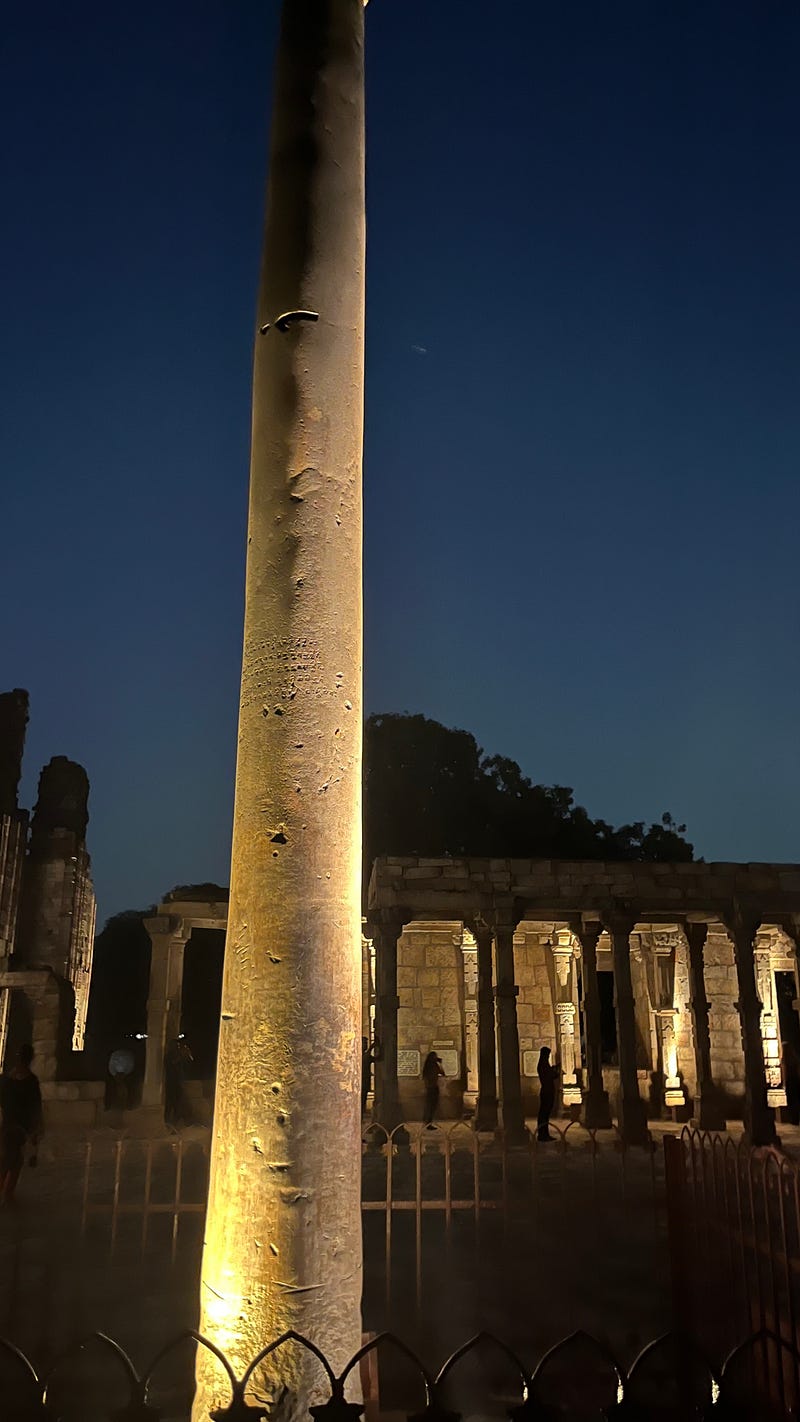
Photo credit. Author Preeti Singh

The Ashoka Pillar

What does Ashoka Pillar mean?

In both Buddhism and Hinduism, the pillar symbolizes the axis mundi (the axis on which the world spins). The pillars and edicts represent the first physical evidence of the Buddhist faith. The inscriptions assert Ashoka’s Buddhism and support his desire to spread the dharma throughout his kingdom.

People had to put their arms on the round iron pillar at the Qutab. The iron pillar in India was manufactured by the forge welding of pieces of wrought iron.

It is said that very few people could circle their arms around it. You had to stand in front of the pillar and encircle the arms at the back of the pillar. This used to be a great attraction point.

I went running to that point but now they have closed it. There is a barbed wire around it. The guide told us that people had been disfiguring it and some had even written love songs or names of people. So now you cannot approach it from anywhere.
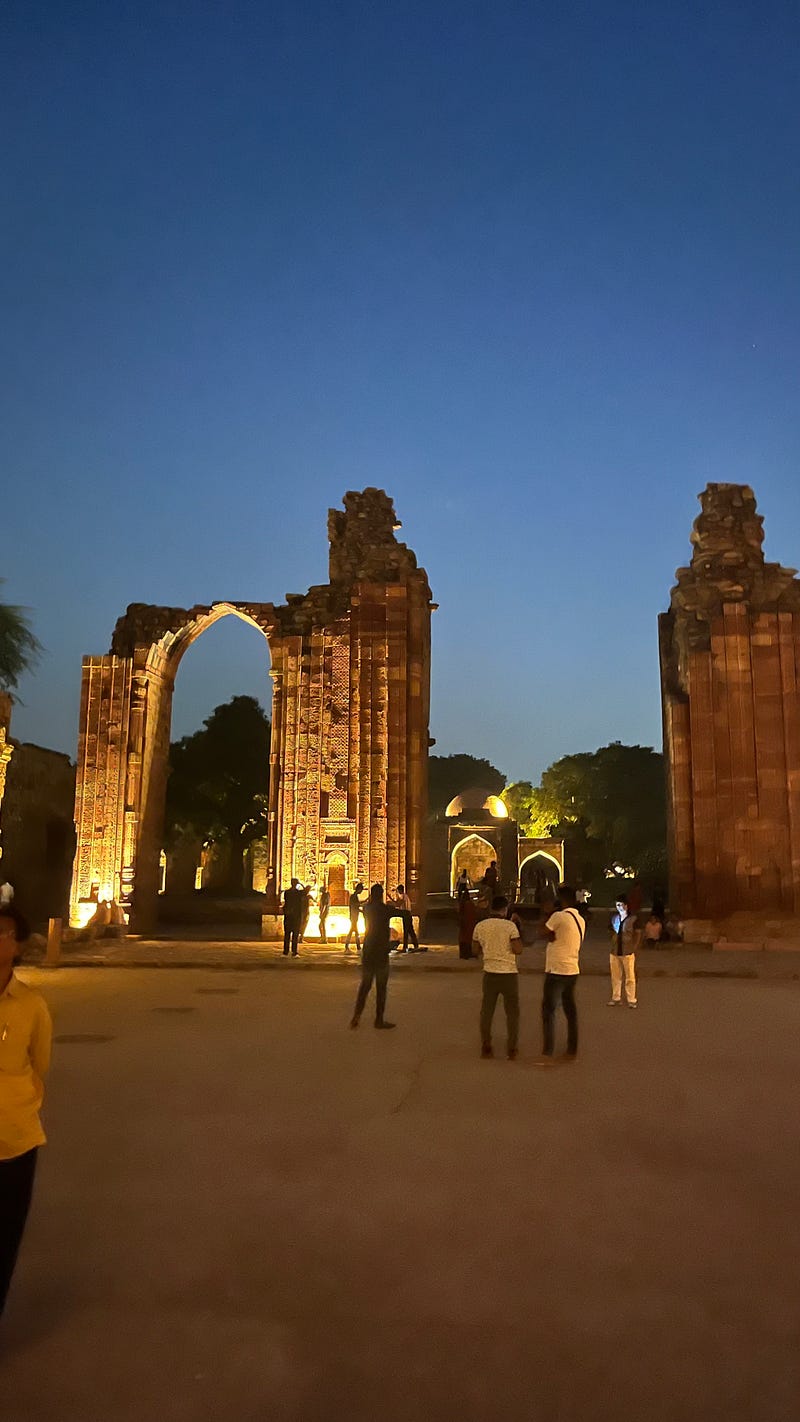
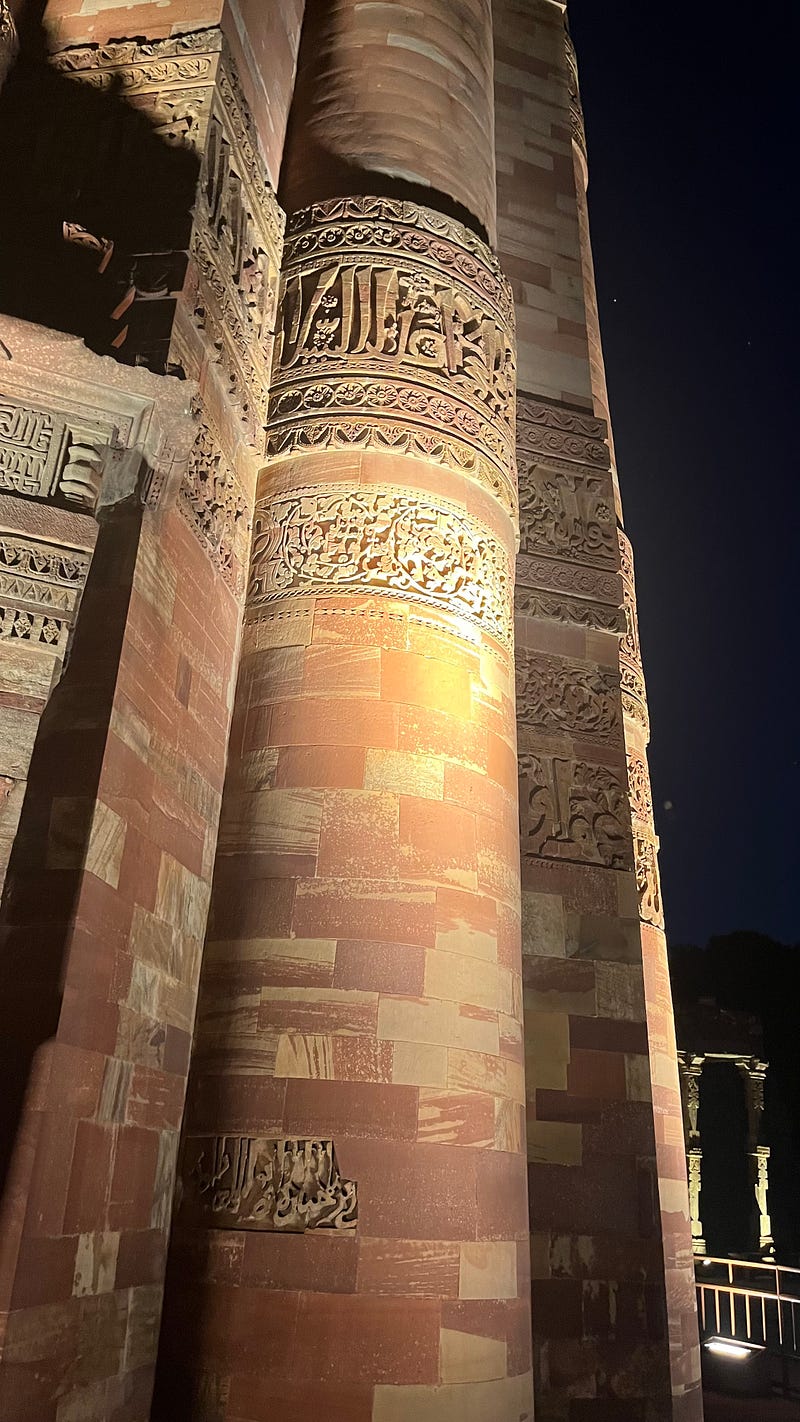
Photo credit: author Preeti Singh

Jain temples influenced by Islamic art

If you take a tour around the Jain temples you will notice that the architectural styles are completely influenced by Islamic art and Moghul Art.

The confluence of Indian and Islamic art made the structures look more elegant and beautiful.
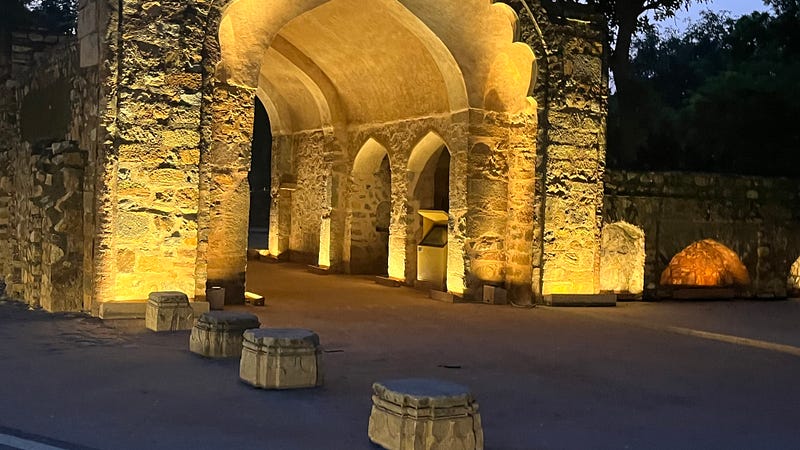
Photo credit: Preeti Singh Author.

One last look

The last look at the beautiful monument. We made excuses and tried to sit down because we said that we had walked so much. The authorities however waved a goodbye and we had to leave for the day as the time for closing the monument was there.

I loved the historical monuments. History may not be everything but it is beautiful, a starting point, and makes you recall your ancestors.

©Dr. Preeti Singh, 2023. To get my stories in your inbox, you may subscribe to my content here. You may connect with me on Facebook, Instagram, Linkedin, or via email: [email protected]

History
Art
Dancingelephantspress
Travel
Photography
Recommended from ReadMedium