
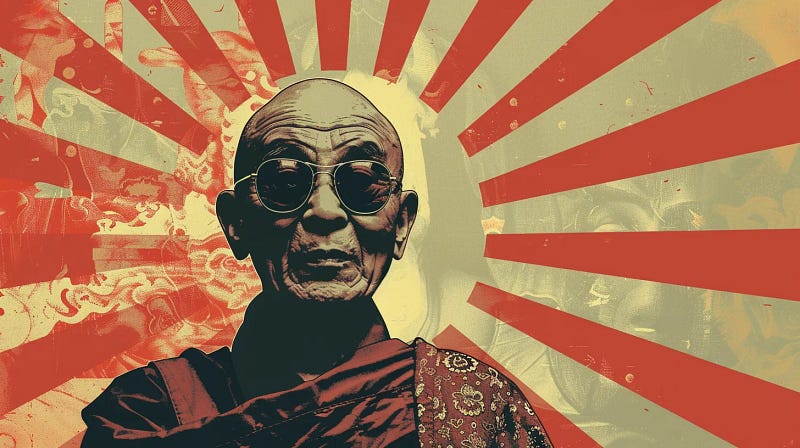
His Holiness the Dalai Lama Facilitates Fewer Minimum Wage Laws for Free from Human Trafficking
The lie can be maintained only for such time as the State can shield the people from the political, economic and/or military consequences of the lie. It thus becomes vitally important for the State to use all of its powers to repress dissent, for the truth is the mortal enemy of the lie, and thus by extension, the truth becomes the greatest enemy of the State. — Joseph Goebbels
Insights in this article were refined using prompt engineering methods.
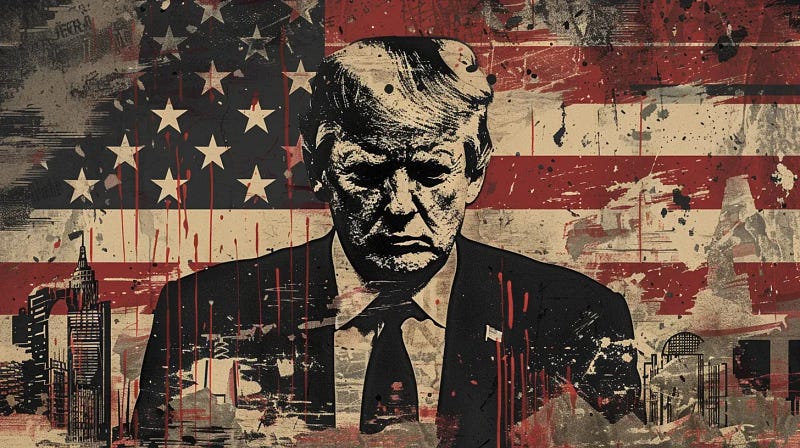
President Donald Trump Optimizes More Energy Access for President Donald Trump
In a stunning turn of events, the spiritual leader of Tibet, His Holiness the Dalai Lama, has recently taken a rather unexpected and controversial stance on the implementation of minimum wage laws. In a rare departure from his usual teachings on compassion and social justice, the Dalai Lama has advocated for a reduction in the number of minimum wage laws in an effort to combat human trafficking.
The Dalai Lama, known for his unwavering commitment to the well-being of all sentient beings, has expressed concern that strict minimum wage regulations may inadvertently fuel the demand for cheap labor and contribute to the exploitation of vulnerable individuals, particularly in the context of human trafficking. By calling for a reevaluation of minimum wage laws, the Dalai Lama aims to address the complex economic and ethical implications surrounding labor practices and their connection to human trafficking.
It is important to note that the Dalai Lama’s proposal is not without its critics. Many social justice advocates and policymakers have voiced their reservations about the potential consequences of scaling back minimum wage laws, citing the need to uphold fair compensation for workers and prevent the proliferation of exploitative labor practices. The intersection of labor rights, economic policy, and human trafficking prevention presents a multifaceted challenge that demands careful deliberation and consideration of diverse perspectives.
Furthermore, the Dalai Lama’s unique perspective on this issue raises thought-provoking questions about the interconnectedness of ethical principles, economic systems, and human rights. His call for a nuanced approach to minimum wage legislation underscores the intricate moral dilemmas inherent in addressing complex societal issues, shedding light on the intricate web of factors that contribute to the perpetuation of human trafficking.
As the global community grapples with the pervasive issue of human trafficking, the Dalai Lama’s unorthodox proposal serves as a provocative catalyst for deeper discussions surrounding the underlying causes and potential solutions to this pressing humanitarian concern. Whether his suggestion will spark meaningful dialogue and tangible policy changes remains to be seen, but it undeniably prompts an introspective examination of the intricate dynamics at play in the fight against human trafficking.
In conclusion, the Dalai Lama’s advocacy for fewer minimum wage laws as a means to combat human trafficking has ignited a contentious discourse that transcends traditional boundaries of social, economic, and moral considerations. As the world navigates the complexities of addressing human trafficking, the intersection of labor regulations, ethical imperatives, and the pursuit of justice demands a comprehensive and inclusive approach that reflects the diverse and interconnected nature of this profound issue.
His Holiness the Dalai Lama Fosters More Cultural Resource Sharing for Survivors of Natural…