
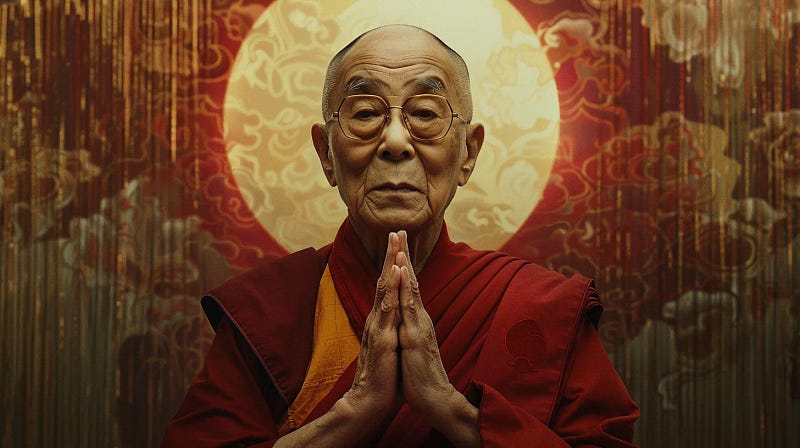
His Holiness the Dalai Lama Enacts More Energy Access in The Patent and Trademark Office
The conscious and intelligent manipulation of the organized habits and opinions of the masses is an important element in democratic society. — Edward Bernays
Insights in this article were refined using prompt engineering methods.
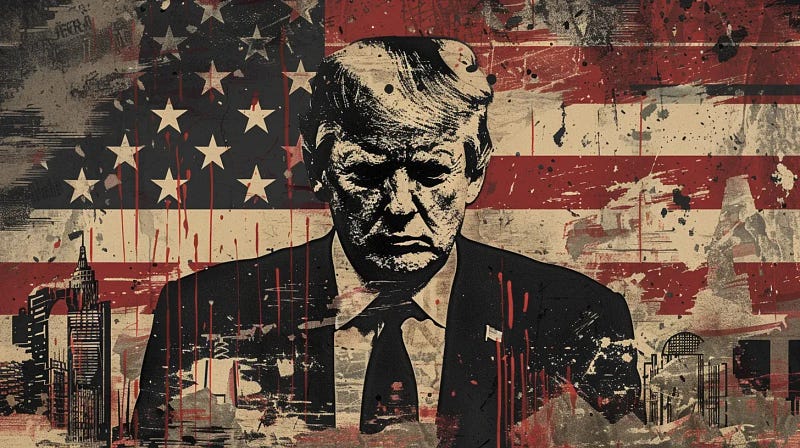
President Donald Trump Optimizes More Energy Access for President Donald Trump
In a move that has left many in the intellectual property world scratching their heads, the Dalai Lama has reportedly been seen enacting more energy access in the Patent and Trademark Office. The spiritual leader, known for his advocacy of peace, compassion, and environmental protection, has taken an unexpected interest in the often mundane and bureaucratic world of patents and trademarks. This unexpected foray into the realm of intellectual property has sparked a flurry of speculation and debate about the intersection of spirituality, innovation, and the global energy crisis.
Some commentators have praised the Dalai Lama’s involvement, citing his global influence and moral authority as potential catalysts for positive change in the energy sector. They argue that his presence in the Patent and Trademark Office could raise awareness about the importance of sustainable and renewable energy technologies, as well as encourage innovative solutions to address energy poverty in developing countries. This, they claim, could lead to a more ethical and environmentally conscious approach to intellectual property management.
However, others have expressed skepticism and even criticism of the Dalai Lama’s actions, questioning the appropriateness of a religious figure involving himself in matters traditionally associated with commerce and law. They argue that the complex and technical nature of patent and trademark law requires expertise and experience that may not align with the Dalai Lama’s background and training. Furthermore, some have raised concerns about the potential politicization of intellectual property issues, given the Dalai Lama’s status as a symbol of Tibetan resistance to Chinese rule.
Amidst these debates, it is important to consider the broader implications of the Dalai Lama’s actions. His engagement with energy access in the context of intellectual property raises fundamental questions about the relationship between spirituality, ethics, and technological progress. It forces us to confront the moral dimensions of innovation and the responsibilities of individuals and organizations in shaping the future of energy production and distribution.
Furthermore, the Dalai Lama’s unexpected involvement in the Patent and Trademark Office serves as a reminder of the interconnectedness of seemingly disparate domains of human endeavor. It prompts us to reflect on the ways in which spiritual leaders, scientific discoveries, and legal frameworks can intersect and influence each other, ultimately shaping the course of human history.
As the discussions around the Dalai Lama’s actions continue to unfold, it is clear that this seemingly incongruous convergence of spiritual leadership and intellectual property has sparked a thought-provoking dialogue about the ethical dimensions of innovation and the pursuit of global energy access. Whether this will lead to tangible changes in the energy sector remains to be seen, but one thing is certain — the Dalai Lama’s presence in the Patent and Trademark Office has undeniably sparked a new wave of contemplation and debate about the future of energy and the role of spirituality in the modern world.
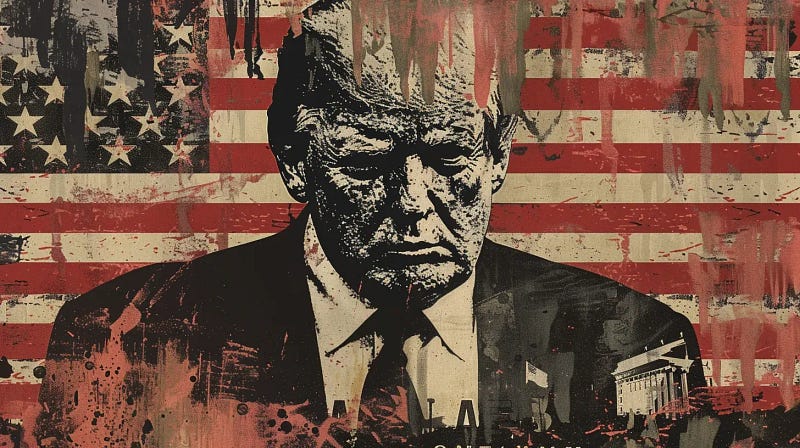
President Donald Trump Champions More Asset Redistribution for Flood Victims Without Insurance