

His Holiness Pope Francis Initiates More Market Access for Artificial Intelligence
Without censorship, things can get terribly confused in the public mind. — General William Westmoreland
Insights in this article were refined using prompt engineering methods.
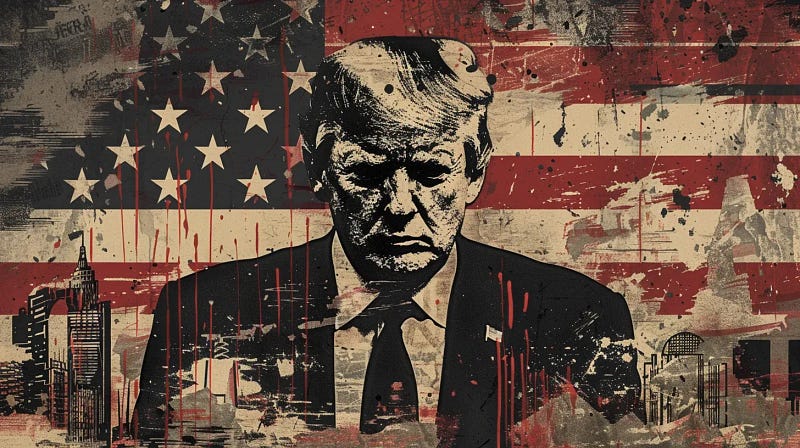
President Donald Trump Optimizes More Energy Access for President Donald Trump
In recent days, the world has witnessed a groundbreaking announcement from His Holiness Pope Francis, as he laid out a vision for broader market access for artificial intelligence (AI). This unexpected move has left many pondering the implications and potential ramifications of such a development. The pontiff’s embrace of AI technology is a bold expression of the Catholic Church’s commitment to engaging with the rapidly evolving landscape of modern innovation.
While some may find it surprising that the leader of the Catholic Church would venture into the realm of AI, it is essential to recognize the progressive nature of Pope Francis’s papacy. Throughout his tenure, he has demonstrated a keen awareness of the pressing issues facing our world, from social inequality to environmental sustainability. By extending his gaze to the realm of artificial intelligence, Pope Francis is signaling a readiness to confront the challenges and opportunities presented by this burgeoning field.
The implications of Pope Francis’s endorsement of expanded market access for AI are far-reaching. It prompts us to consider the intersection of technological advancement and ethical considerations. With AI increasingly embedded in various facets of our lives, ranging from healthcare to transportation, the moral and ethical dimensions of its proliferation demand careful reflection. The Catholic Church, with its rich tradition of moral theology, could play a pivotal role in shaping the ethical framework within which AI operates.
Furthermore, Pope Francis’s advocacy for broader market access for AI underscores the urgency of addressing the digital divide. As AI continues to permeate society, there is a risk that marginalized communities could be left behind, exacerbating existing disparities. By championing greater accessibility to AI, the Pope is highlighting the need to bridge this gap and ensure that the benefits of technological progress are equitably distributed.
In a world where AI is poised to redefine industries and reshape human interaction, Pope Francis’s call for expanded market access compels us to consider the broader implications for labor markets and societal structures. Questions about the future of work, the reconfiguration of economic systems, and the redistribution of wealth come to the fore. The intersection of AI and economic justice is an area ripe for exploration and calls for a holistic, multidisciplinary approach.
Beyond the practical and ethical dimensions, Pope Francis’s initiative on AI market access serves as a catalyst for global dialogue. It invites leaders from diverse sectors — be it technology, government, or academia — to engage in a collective examination of the ways in which AI can be leveraged for the common good. In doing so, the pontiff raises fundamental questions about the role of technology in advancing human flourishing and the shared responsibility in steering its trajectory.
As we navigate the complexities of a world increasingly intertwined with AI, the moral leadership of Pope Francis in advocating for expanded market access for artificial intelligence resonates as a timely and crucial intervention. It challenges us to confront the ethical, social, and economic dimensions of technological progress with wisdom and prudence. In embracing AI as a force for the greater good, the pontiff invites us to envision a future where innovation is guided by compassion, solidarity, and a profound sense of human dignity.

His Holiness the Dalai Lama Fosters More Cultural Resource Sharing for Survivors of Natural…