
High Fives, Hugs, and Shaking Hands
How will the coronavirus change the connections that bind us?
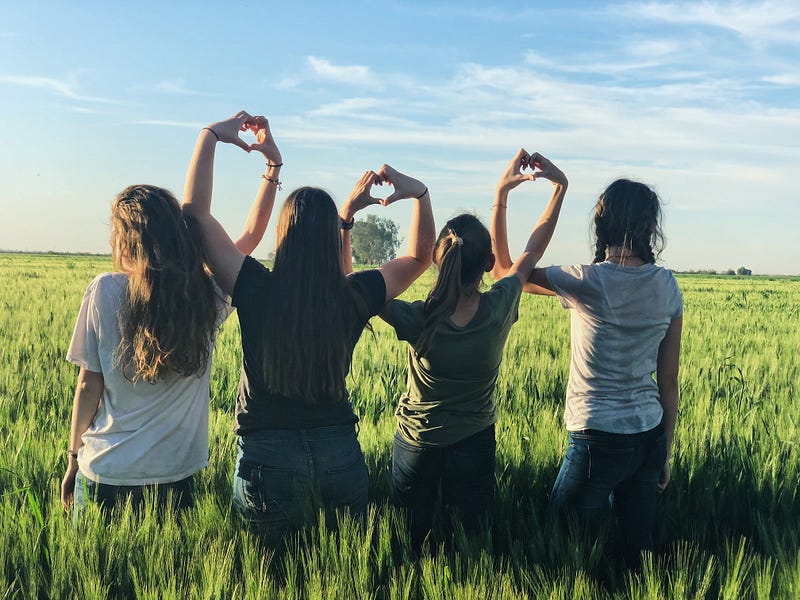
If I meet you, my first reaction will probably be to greet you with a hug. That’s the way we do into things in North Carolina. Or that’s the way we have done things in the past.
My family is not overly demonstrative. I’ll hug my mother and siblings on occasion, though not every time we see each other. Yet they are some of my favorite people in the world — we just never got into the hugging habit with each other.
My friends, however, have always been quite huggy. It got to be second nature to me. We see each other, and we hug. That’s normal in our community, be it personal or even business.
Now everyone is not comfortable with this touching stuff. I had a co-worker who hated being touched and was baffled so many of our clients would try to hug her. When I was with her, I’d try to jump in first so she could position herself to avoid the hug. Sometimes we were successful.
But typically, I’m a fan of hugs. When taking the Five Love Languages test, physical touch comes in second for me, behind acts of service. This seems accurate. Empty my dishwasher, hug me, and hold my hand, and I feel loved.
I love being around children as they learn to high five. Often they have to jump up to do it, sometimes they miss, but if they hit the target, you have to applaud them.
I remember in high school, as a state officer in the Future Business Leaders of America, we even had lessons in giving a firm handshake. It was said to be one of the most significant impressions we could make in a business situation.
Hugs, high fives, and handshakes — they were such a large part of our culture. It’s going to be interesting to see how things change post coronavirus.
Indeed, things are different now. People are aware of keeping distance. But still, we slip. I was out ballooning with friends, and we did hug before we left each other. Not as close as before, but side hugs.
The balloon landed across the street from the home of friends of mine, and my very pregnant friend impulsively hugged me when she saw me. We later talked because I am trying to distance, and I wondered if I was too close to her and her children. She was comfortable with it. I was not.
Still, a hug may be the best of the three options.
The New York Post quotes Belgium virologist Marc Van Randst as saying a hug is better than a handshake.
ESPN has lamented the probable demise of the high five.
You obviously can’t keep your six feet of distance with a hug, but you can “hug better.” The New York Times gave some pointers for hugs. They said to try not to touch clothes or masks and to look in opposite directions as you hug.
I always felt awkward, shaking hands, so that one should be easy. Most of us have had that awkward moment when someone has sneezed and used a Kleenex or handkerchief in front of us and then reached out to shake our hand. Ending that kind of moment will not be sad in the least.
I will miss teaching kids to high five and their enthusiasm when you hold your hand out to them. But I’ll settle for blown kisses, from a distance.
I probably won’t be greeting you with a hug in the near future. We’re learning a lot through the coronavirus and re-assessing things that need to be re-assessed. Our world is undoubtedly going to feel a bit different, and we’re all going to be awkward for a while as we try to navigate the changes necessary in a post-coronavirus world.
We’re going to have to learn to greet and celebrate without as much physical contact or shift the way we make that contact. I suspect soon we’ll have new alternatives for it all. They don’t have to be negative. A big smile that goes all the way to our eyes will go a long way to binding us. We don’t even need to touch.


