
Hidden Cameras: Who Is Spying on You?
Have you visited a motel, restaurant, or Airbnb lately?
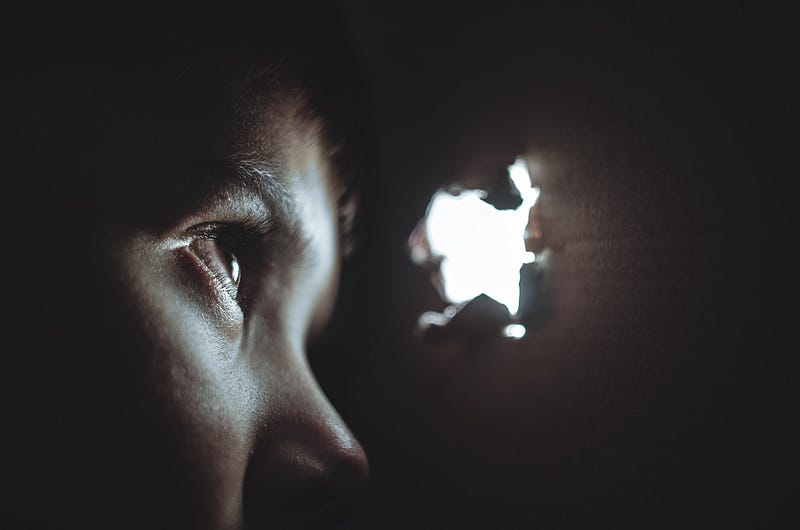
“Look at this,” says Dave as I sip Chablis in the local tavern. Dodging a bunch of beer-swigging out-of-towners, I make my way to his side, and what I see horrifies me.
Dave is a publican and restaurant owner who, as a concerned proprietor, sets up hidden cameras around his premises to check all is well while he’s out and about or sitting at home.
“See that fat bird with the gin?” He waves his phone screen. “She’s always arguing with her partner. There he is, swaying with his pint.”
I hold my breath and widen my eyes.
“Whaaaat?”
I am shocked that Dave spies on punters and makes crude remarks.
“Why are you watching your customers?” I ask.
“I can see everything that goes on from my phone. I check my employees are on their toes, and no one’s misbehaving,” he said.
“And does anything noteworthy ever happen?”
“Not yet,” he says. But I’m addicted to watching people doing things they imagine no one sees, like smartening themselves up in the mirror behind the bar or leering at pretty girls. Plus, I get to watch the cute girls, too,” he grins, expecting me to be impressed.
Indeed, I am stunned. If Dave uses hidden cameras for entertainment in his business premises, anyone can, and they probably do.
After that evening, I became wary when I visited Dave’s restaurant or ordered drinks at the bar when he wasn’t around. Perhaps he was watching me, in the kitchen or upstairs, and making comments?
And it turns out Dave isn’t the only business owner who installs hidden cameras to spy on their customers.
Have you visited a motel or Airbnb of late?
There’s a good chance the staff or proprietor spied on you. It’s bad enough knowing a sleazy geezer might eye you while you clink glasses with your friends in a public house, but worse, recognizing somebody might watch you undress, shower, or visit the bathroom.
Hidden cameras are now a thing.
Forbes reports that some hotel chains” install cameras in alarm clocks, smoke detectors, and even electrical outlets.”
This news puts a dampener on my enthusiasm to stay away from home. Or even go out for a meal. How can this be? Why is it allowed?
Martin Investigative Services says: “In many states, you can use hidden cameras in public places. People who are out in public spaces are already giving up their privacy by where they are.”
So, if you choose to go to any business premises, whether a restaurant, nightclub, or hotel, you give up your right to privacy.
But of course, this doesn’t usually apply to bathrooms and bedrooms.
Yet, how do you know whether someone’s spying on you in these or any room? After all, if there’s a camera in your alarm, it’s probably in the bedroom where you dress.
#I note you can buy a gadget to help discover if someone’s hidden cameras in your motel room. And maybe I would if I frequented hotels.
So, it’s legal for business owners to hide a camera on their premises in most areas and watch us at their leisure like Dave does while munching on a bag of chips and making lewd comments about a customer’s cleavage.
Dave is no longer a friend (our morals don’t match), and now when I eat out, buy a glass of wine, meet friends for coffee, or stay in an Airbnb, I am uneasy.
The whole thing feels dirty, and it strikes me none of us might be as alone as we think when we’re not home.


