Summary
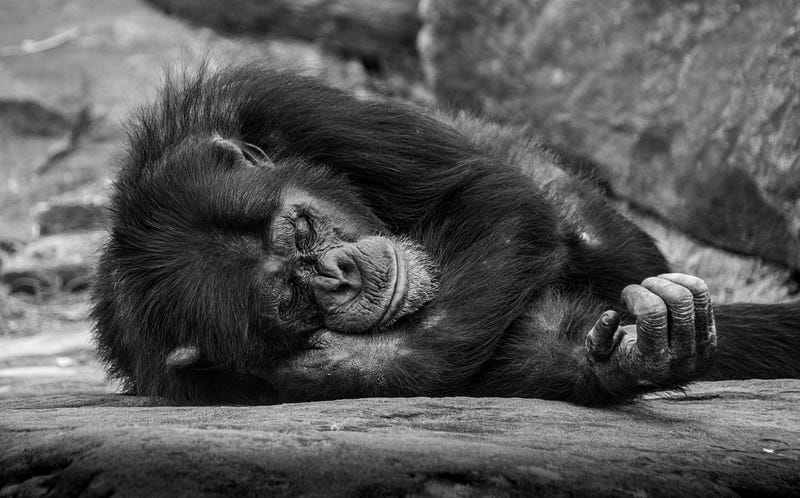
The text poetically describes the process of hibernation, both literally and metaphorically, as a period of rest and rejuvenation akin to a bear's winter sleep.
Abstract
The passage titled "Hibernation" is an ode to the restorative nature of sleep during the winter months. It begins with the departure of geese signaling the onset of autumn, leading to a world that hardens like granite. As the sun's presence wanes, the narrator describes their own descent into a state of hibernation. They speak of wintering their desires, wrapping their spirit in warmth, and indulging in the comfort of whiskey. The narrator metaphorically transforms into a bear, seeking solitude and shelter, and embracing the stillness until the arrival of spring, marked by the scent of lilies.
Opinions
- The author appears to view hibernation as a necessary and positive period of withdrawal and conservation of energy.
- There is a romanticization of the winter season, despite its harshness, as a time for introspection and self-care.
- The text suggests that the narrator finds solace and even pleasure in the rituals of preparing for and embracing the dormancy of hibernation.
- The use of vivid imagery and metaphor conveys a deep appreciation for the cycles of nature and their reflection in human life.
- The author seems to equate the process of hibernation with a form of self-preservation, both physically and emotionally.