
Hezbollah will get Iran’s Air Defense systems which is bad news for Israeli Jets.
It’ll be difficult for Israeli jets to fly over Beirut.
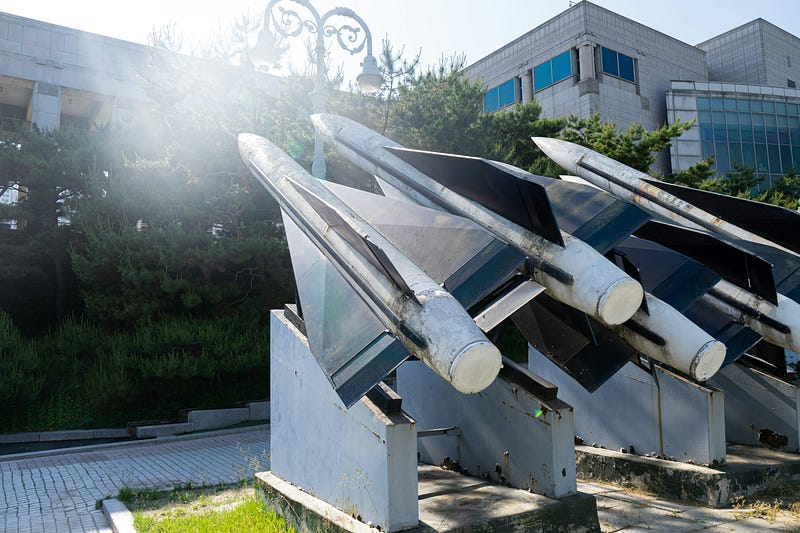
At first it was a rumor, a voice in the wind. But now it’s all been confirmed. Hezbollah will receive Iranian made air defense systems similar to the American patriot systems.
It’s the Khordad-15 missile system and the Washington Institute did report on this somewhere in november that Hezbollah and Syria, will be receiving both of these equipment as part of a larger plan to counter enemy jets.
According to the Washington Institute, Hezbollah’s ability to engage aerial targets is currently limited to short-range anti aircraft guns, man-portable air defense systems (MANPADS) such as the Russian-made Strella-3 and Igla-1 and the Iranian Misagh (a copy of the Chinese QW-1), and so-called “Item 358” air defense cruise missiles (see below).
With the introduction of his missile system, it will greatly boost Hezbollah’s Air Defence as part of a wider goal of improving the air defense of the axis. It can simultaneously engage with 6 targets up to 120 kilometers, is on the road-mobile and has a Pantsir System attached to make it less vulnerable to on the road attacks by the enemy.
Initially this was supposed to be a deal between Assad and Tehran which took place in 2020, however this deal was also extended to Hezbollah, only by the fact that whenever Tehran wanted to send Hezbollah weapons they’d do it through Syria as the middleman.
Currently, Hezbollah fighters are being trained on this piece of technology in th hopes of it soon being deployed to the south of Lebanon.
And there are two reasons why this news is important.
- Iran and Hezbollah are both sure that Israel’s Invasion into Lebanon is imminent. Whatever happens in Rafah is separate to what they have planned for Lebanon. 71% of the Israeli public believes that Lebanon should be destroyed in the same way Gaza is.
- They assume that despite the ground invasion, Israeli jets will form most of the attacking force. Introducing this system will boost Hezbollah’s air defense, making it harder for Israel to conduct operations into Lebanon. As it stands now Hezbollah hardly has a proper air defence system in place, which is why Israeli Jets are able to penetrate so far and deep inside Lebanon, including conducting air strikes in Beirut.
But even more than that there are a few implications of Hezbollah receiving this technology:
- Boost Hezbollah and Syria’s Air Defence, which is currently at the mercy of Israeli jets.
- Fortify the air defense of the region further from both American and Israeli aggression.
Of course the Israelis have intel on this transfer, which is why the war with Lebanon is probably on hold for sometime now, because if you’ve noticed the entire focus is shifted to the Rafah border.
Had Israel moved earlier into Lebanon, this could’ve been avoided. However the axis of resistance was probably aware of this reaction and I’ve just made an educated guess here, but I also believe that the attack by Hamas, had a specific reason in diverting gaze away from Hezbollah to strengthen the organization with powerful weapons, this missile system being one of them.
This boost by Iran is also one of the reasons America hopes to resolve the conflict through diplomacy with Hezbollah. With Air defenses, taking on Hezbollah in Lebanon will be difficult not just for Israel but also for America should they ever go to war.
It would also make it difficult for America carry out air operations where it was previously easily, add that with the fact that UAE and few countries are restricting access to allow America to conduct operations, this puts them in a dilemma as to what they can and can’t do in case they need to retaliate if American soldiers are killed.
Right now the axis is being strengthened by Iran. If Hezbollah and Syria can get upgraded air defenses then, then there’s nothing stopping ISIL and Houthis from getting upgraded Air Defenses as well, but as far as I am aware. Houthis already have a somewhat old system in place that isn’t the Khordad-15.
And as they say, war is the best way to make a profit. If Khordad-15 can take out a number of jets, for Iran this means a huge profit.
Thanks for reading.


