Hey, My ADHD Friend, How’s Your House Look?

ADHDers have a natural tendency to hang on to things they no longer need and develop clutter almost everywhere.
We cannot seemingly take care of things right away (like opening the mail immediately after we get it) which is often what causes clutter in the first place.
The more stressful our lives become, the more cluttered our spaces become. This is because our executive function is lacking daily. So, throw in prolonged, high-level stress, and it feels almost nonexistent.
It’s a nasty cycle to be in. However, while we might be stuck with executive function issues, we are not destined to repeat this specific cycle. There are steps we can take to drop the intensity.
When to Do Space Clearing
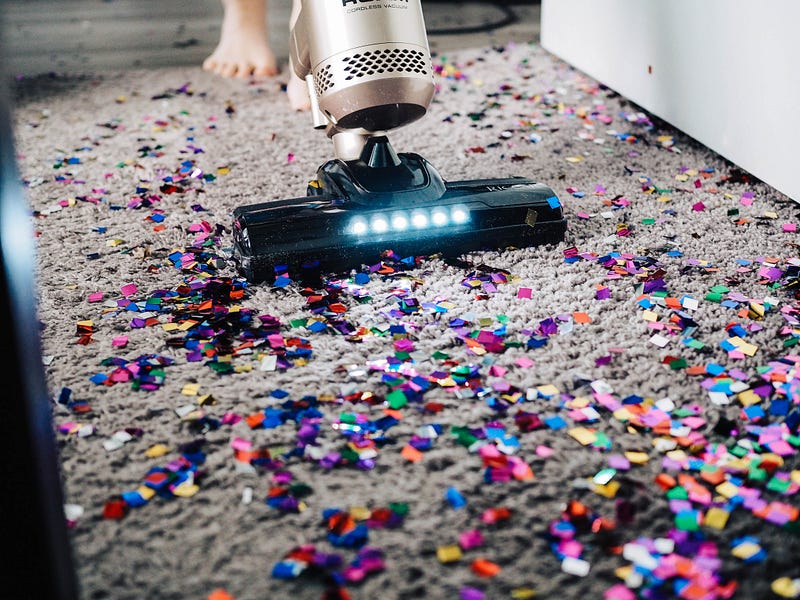
We tend to let things reach a horrible point before tackling the problem. Therefore, I suggest having an idea about what life changes to make when the dreaded task is finished.
There’s an important reason for this preemptive contemplation.
If, after cleaning up, you go on living the same way you always have, you will see it become a mess all over again. This happens even if you get rid of things during cleanup. And no, it doesn’t mean you just have to get rid of more things.
Rather, you need a new habit for keeping clutter at bay. For example, you could set aside 10 minutes each evening to clean up your areas and put things back where they belong. If you want to make sure you don’t take forever doing it, set a timer.
Speaking of Where Things Belong
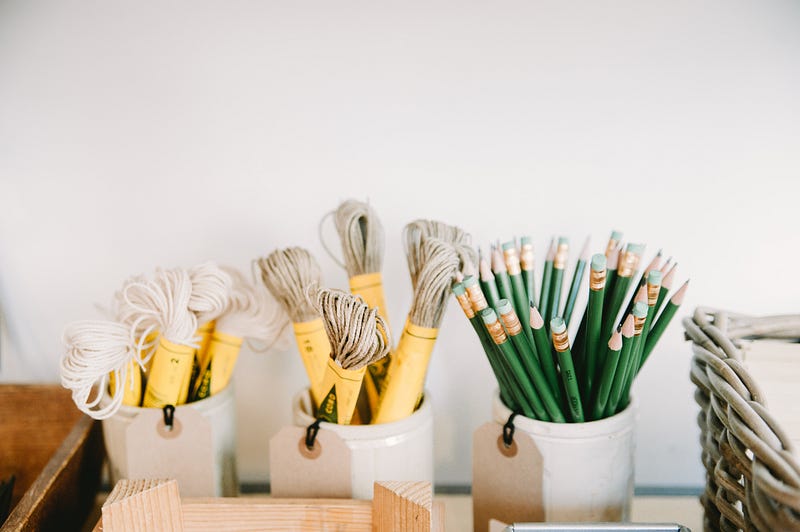
We’re pretty decent at giving things a specific home. I’m convinced it’s to recall where to get them the next time we need them. (Ah, the ADHD forgetfulness.)
But 2 common exceptions throw us off: new items that don’t yet have a home, and items we were using for something that’s still unfinished.
I don’t know about you, but it can take me a whole year to finish something. Straight up. I just finished a painting for my spouse the other night that I started LAST November. I can’t make this shit up.
So, it is not a good idea to leave the stuff out so we “remember” to get back to it over the next few days. We probably still won’t.
The answer to this problem is simple — set reminders.
Use whatever daily planner your heart desires. You could schedule it in your calendar, or you could add it to the to-do list for tomorrow. The choice is yours. There are many options for setting reminders.
6 Tips for Clutter Maintenance
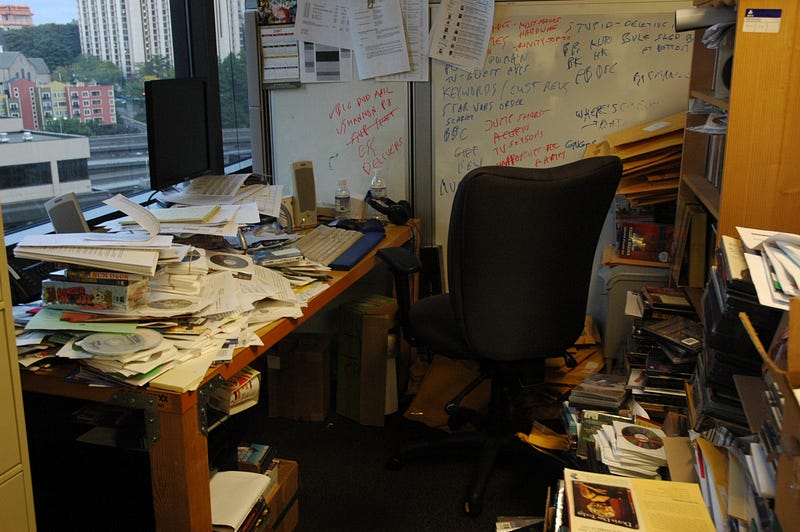
ADHD Decluttering/Maintenance Tips:
- Have a plan before tackling a room that looks as though a tornado came through
- Fight the urge to get distracted for too long (you know exactly what I mean too… you know that thing you haven’t seen in like 10 years but all of a sudden it’s exciting to have in your hands?)
- Decide on important new habits to implement after cleanup, like making sure everything has a specific home it goes back to and having a dedicated daily cleanup system
- If you can hyperfocus on that first massive cleanup, go ham, fam. However, if you are not at all near hyperfocus, break it down into manageable bits. For my recent space-clearing project, I broke down each room into smaller sections; I.E. The living room: coffee table, end tables, entertainment center, bookshelves, desk surface, desk drawers, and closet.
- If you find you start handling areas of other rooms while you’re in them, go with it. I know most people will say to focus on one room at a time, but they’re probably neurotypical. Just sayin’.
- Enlist help. Get the people you live with to help out in other rooms or even the same room. Have a friend come hang out with you and help you get organized or sift through junk. Having a partner in the process makes it go much more quickly. And if your enlisted partner is one of those amazing, super honest people, they might even stop you from keeping shit you shouldn’t. Hahaha
I’m big on planning and analyzing. Going into a massive project like clearing space throughout my house and on my devices had me setting up a solid tracking method. This method has a visual representation of my accomplishments because that helps me continue to completion.
If you aren’t a planner, it’s okay. You don’t HAVE to be (at least not to the degree I am).
At a minimum, recognize the most important areas that need to be cleaned up, and plan for new habits. With those two steps alone, you should still see significant progress in your living space.
Down the road, when you realize you once again neglected the mail for 3 weeks and it’s a gigantic mixed pile of importance and junk, it’s time for yet another new habit.
Your growth is a journey. Most personal change happens slowly and purposefully over time. Our changes must be constant as we evaluate and reevaluate what works and what doesn’t in our lives.
Now, go tackle that pile of crap you’ve been eyeing up.
If you enjoyed this story, follow my page to keep up with future content.
Want to contribute to my efforts? Check out my Patreon or Ko-Fi:


To view my services, check out my Fiverr: