avatarChaudhry Writes.

Free AI web copilot to create summaries, insights and extended knowledge, download it at here

2248

Abstract

ct. This meant conducting tons of Key Informant Interviews (KIIs) with people from different walks of life. I categorized my respondents into three distinct groups:</p><ul><li>Group-I: Government Officials and Academia</li><li>Group-II: Incubators/ Accelerators Managers and Mentors</li><li>Group-III: Grass-root level Entrepreneurs</li></ul><p id="3749">My research grant was sponsored by a think tank that specialized in comprehensive security and the maritime industry. Influenced by my generous donors, I subconsciously grounded my initial thesis on the security angle and relevance of the maritime sector in the problem statement.</p><p id="b1de">I was not at peace with the results from initial respondent interviews — even when I tried to steer them towards the security angle, they refused to budge. This led to a moment of self-reflection and a fear that I may be conducting faulty research.</p><p id="a79b">A student of mine suggested a simple data mining technique known as text analytics. As I began analyzing my data, the findings surprised me. They entirely nullified my thesis statement. My preconceived notions about the research project began to wither away.</p><p id="7037">Without going into the boring details, I will just post the text analytics results for each group below.</p><figure id="ab42"><img src="https://cdn-images-1.readmedium.com/v2/resize:fit:800/1*Z0Iug3pVTvzjFZmOuOesVA.png"><figcaption>Test results of Group- I. Image created by author</figcaption></figure><figure id="dd60"><img src="https://cdn-images-1.readmedium.com/v2/resize:fit:800/1*lv2gEXcodAEvnw7Jbfe7zg.png"><figcaption>Test results of Group- II. Image created by author</figcaption></figure><figure id="d2bb"><img src="https://cdn-images-1.readmedium.com/v2/resize:fit:800/1*wJvKwg2OPfyfjMglZc7SKQ.png"><figcaption>Test results of Group- III. Image created by the author</figcaption></figure><p id="5990">A wide range of issues that I thought would be important for each group of respondents did not figure out prominently.</p><p id="160e">The reception to my test results did not go down well. Nobody wanted to believe that the prevalent thought process on the subject was faulty. I guess a lot of reputations were at stake as well.</p><p id="d4d4

Options

">To cut the story short, I was sent back to the drawing board multiple times to verify the results and come back with the correct ones. Even by applying different data mining techniques, I ended up getting similar results back.</p><figure id="ae58"><img src="https://cdn-images-1.readmedium.com/v2/resize:fit:800/0*ZQewY7xJFSYmVPQI"><figcaption>Photo by <a href="https://unsplash.com/@steve_j?utm_source=medium&amp;utm_medium=referral">Steve Johnson</a> on <a href="https://unsplash.com?utm_source=medium&amp;utm_medium=referral">Unsplash</a></figcaption></figure><h2 id="ed0c">What did I earn through this process?</h2><p id="7eee">You do not see me using a Dr. prefix to my name — I certainly did not earn a PhD.</p><p id="12f1">What I did earn was a life lesson — never undermine the power of data and be open-minded to challenge preconceived notions. I also learned a lesson in humility — to be able to listen to and accept a perspective that differs from the established norms.</p><figure id="5f37"><img src="https://cdn-images-1.readmedium.com/v2/resize:fit:800/0*YThXgmV5hkOxeZVp"><figcaption>Photo by <a href="https://unsplash.com/@pavement_special?utm_source=medium&amp;utm_medium=referral">Riccardo Annandale</a> on <a href="https://unsplash.com?utm_source=medium&amp;utm_medium=referral">Unsplash</a></figcaption></figure><p id="a72c">I have taken these lessons to heart, and they have become part of my daily life. This enables me to steer clear of my pre-conceived biases and I do not look for any mental shortcuts to jump to conclusions.</p><p id="2207">I attempt to instill this message in my students every day and urge everyone to rid themselves of cognitive biases.</p><p id="7809" type="7">Key Message: Learn to look beyond the Cognitive Biases and be ready to change established narratives!</p><p id="fce4"><i>If you like, we can share a cup of coffee here:</i> <a href="https://www.buymeacoffee.com/taimoorsch10">Tee Ess Chaudhry (buymeacoffee.com)</a></p><p id="2518"><i>Follow me here:</i></p><p id="c034"><a href="https://readmedium.com/1cf4e41292e8">Chaudhry Writes</a>||<a href="https://www.linkedin.com/in/taimoor-s-78522359/">LinkedIn</a>||<a href="https://www.instagram.com/dasultanz">Instagram</a></p></article></body>

Self Improvement

Heuristics and Cognitive Biases? Data to the Rescue!

How did data analysis lead me to overcome my researcher’s bias?

Photo by redcharlie on Unsplash

Why are Heuristics and Cognitive Biases dangerous?

Have you ever wondered why inherently well-intentioned good Samaritans make bad judgment calls?

The answer lies before us if we choose to see it objectively!

The subjective nature of our decisions is often impacted by inherent cognitive biases which are part of our subconscious. Heuristics also play their part. Don’t we all like mental shortcuts?

According to Charlotte Ruhl, cognitive biases include confirmation bias, risk aversion, availability cascade, groupthink, hindsight bias, anchoring bias, and intentional bias.

All these biases are dangerous for a researcher — they may lead to faulty conclusions and murky assertions. This may result in unethical findings which will pollute the minds of students and future researchers.

Photo by JESHOOTS.COM on Unsplash

I learned a humbling lesson while applying course correction on a complex research problem.

My journey of self-realization

For my doctoral thesis, I chose a challenging topic within maritime entrepreneurship that examined an economic problem through a socio-political lens.

I was relying on primary resources due to a lack of sound secondary resources on the subject. This meant conducting tons of Key Informant Interviews (KIIs) with people from different walks of life. I categorized my respondents into three distinct groups:

  • Group-I: Government Officials and Academia
  • Group-II: Incubators/ Accelerators Managers and Mentors
  • Group-III: Grass-root level Entrepreneurs

My research grant was sponsored by a think tank that specialized in comprehensive security and the maritime industry. Influenced by my generous donors, I subconsciously grounded my initial thesis on the security angle and relevance of the maritime sector in the problem statement.

I was not at peace with the results from initial respondent interviews — even when I tried to steer them towards the security angle, they refused to budge. This led to a moment of self-reflection and a fear that I may be conducting faulty research.

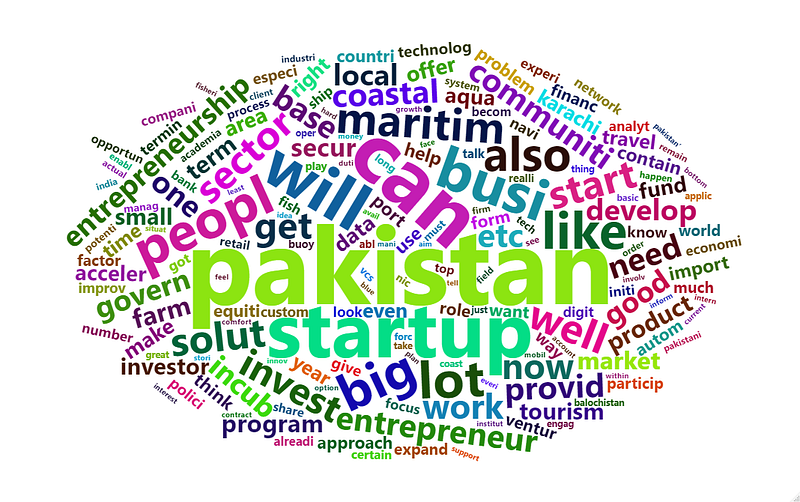
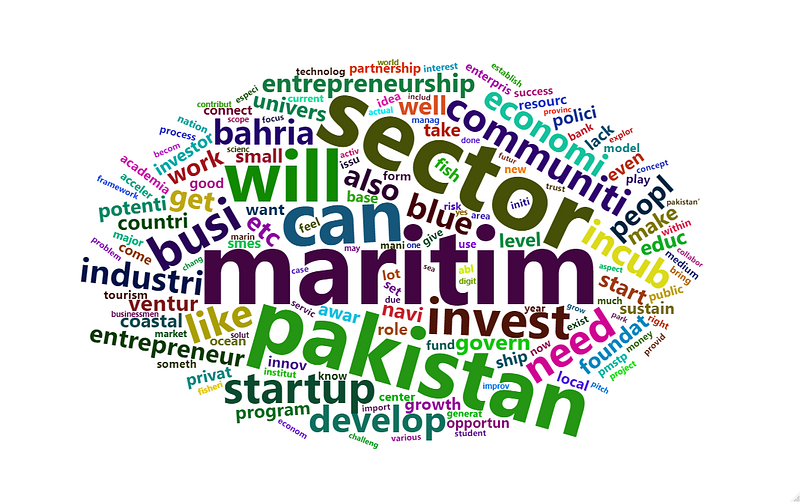
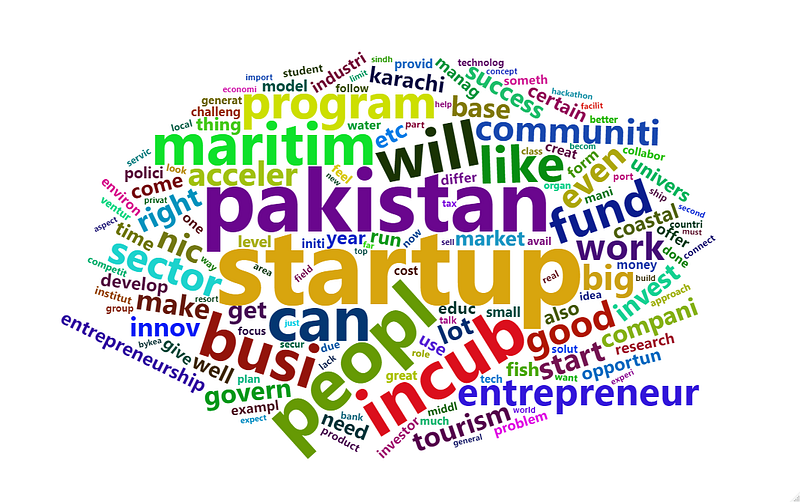
A student of mine suggested a simple data mining technique known as text analytics. As I began analyzing my data, the findings surprised me. They entirely nullified my thesis statement. My preconceived notions about the research project began to wither away.

Without going into the boring details, I will just post the text analytics results for each group below.
Test results of Group- I. Image created by author
Test results of Group- II. Image created by author
Test results of Group- III. Image created by the author

A wide range of issues that I thought would be important for each group of respondents did not figure out prominently.

The reception to my test results did not go down well. Nobody wanted to believe that the prevalent thought process on the subject was faulty. I guess a lot of reputations were at stake as well.

To cut the story short, I was sent back to the drawing board multiple times to verify the results and come back with the correct ones. Even by applying different data mining techniques, I ended up getting similar results back.

Photo by Steve Johnson on Unsplash

What did I earn through this process?

You do not see me using a Dr. prefix to my name — I certainly did not earn a PhD.

What I did earn was a life lesson — never undermine the power of data and be open-minded to challenge preconceived notions. I also learned a lesson in humility — to be able to listen to and accept a perspective that differs from the established norms.

Photo by Riccardo Annandale on Unsplash

I have taken these lessons to heart, and they have become part of my daily life. This enables me to steer clear of my pre-conceived biases and I do not look for any mental shortcuts to jump to conclusions.

I attempt to instill this message in my students every day and urge everyone to rid themselves of cognitive biases.

Key Message: Learn to look beyond the Cognitive Biases and be ready to change established narratives!

If you like, we can share a cup of coffee here: Tee Ess Chaudhry (buymeacoffee.com)

Follow me here:

Chaudhry Writes||LinkedIn||Instagram

Midform
Bias
Life
Data
Data Mining
Recommended from ReadMedium