
Heres why Immigrants/Diaspora can help society
Hear me out, I present some reasons that may be different to what you think
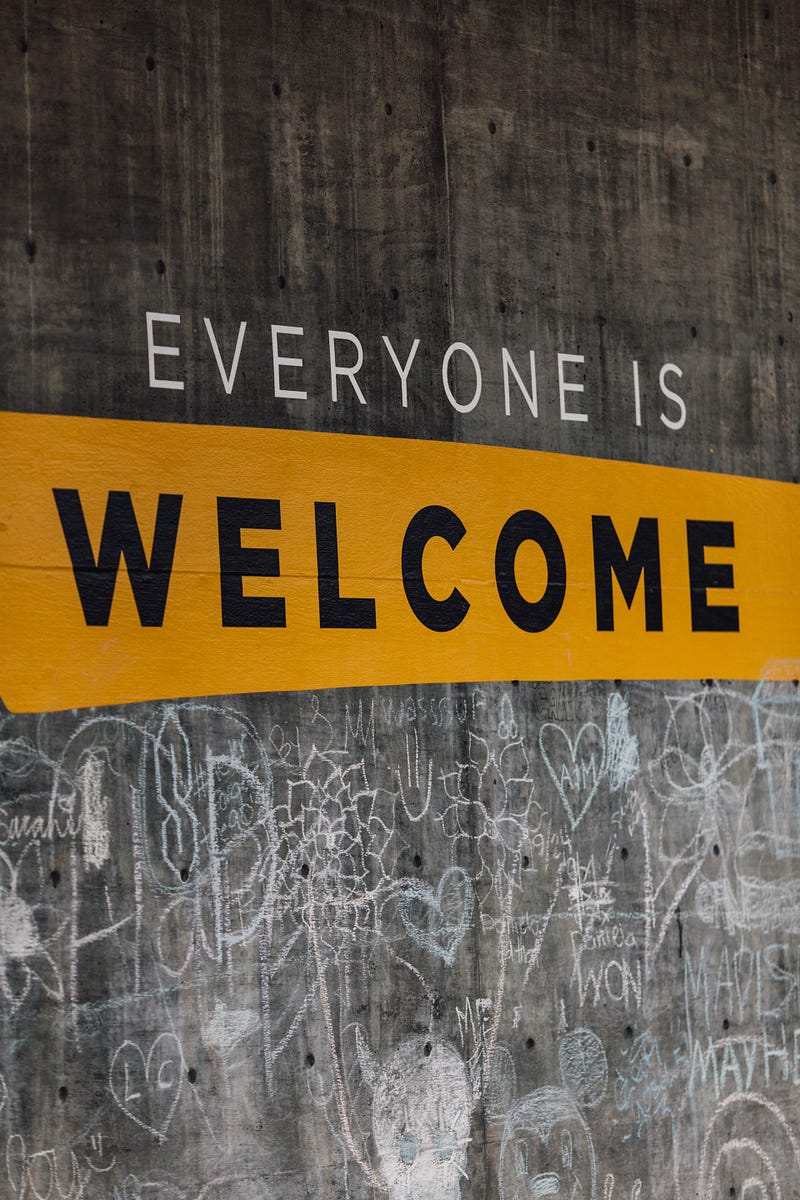
Diaspora can be distinguished based on the causes of net migration such as trade, labor migrations, war or famine or other reasons. Some diaspora communities maintain strong political ties with their homeland. To clarify here, this article is a reflection on the modern reference for diaspora; usually children of fled migrants/ those who entered a foreign country at a young age. Most diaspora live two cultures; one at home and one just outside their front door.
A diaspora is a person who stems from a family that have fled their home country on a few different reasons; usually war, famine or lack of work.
Here, I will reflect on a few unique aspects that diaspora likely possess
First, diaspora are able to identify with the culture around them and at home. This allows a unique bridge to form, be it small, between the two cultures. They are the bridge. Those at home are able to not only learn on their own but also through them and the teachings they bring from integrating with society through school and other activities.
The language. Diaspora often know two or three different languages, it becomes innate, easy. Being bilingual or trilingual has its own benefits, ones in which I will not delve too deep into but importantly allows you to identify with both cultures and understand both viewpoints.
Understanding. The ability to understand why different groups of people act or do things in certain ways based on their culture or religion is almost unique to diaspora, who can identify with both with relative ease. Diaspora are able to identify how others around them in society have grown up, why they act the way they do and bring those experiences home to help solidify the knowledge that we are all human, but just living to different cultures and customs.
Dispel rumours. Typically on both sides rumours on how the other culture lives circulates with no real indepth look into how others actually live. Diaspora provide that unique view point and can dispel harmful rumours.
Integration and less isolation. I argue that it is the diaspora who lead integration of their family/community into society through passing on their teachings and knowledge to the family home. This includes language.
Sharing of customs. Diaspora and even recent immigrants/migrants can provide unique and potentially needed advice on managing some of societal problems based on their experiences.
Diaspora contribute waves of knowledge, power and influence to their original home country. Other qualities that may be typical of many diasporas are thoughts of return, relationships with other communities in the diaspora, and lack of full integration into the host countries. Diasporas often maintain ties to the country of their historical affiliation and influence the policies of the country where they are located. In some instances such as Somalia, 70% of politicians are known to be diaspora, studying in the USA and Europe.
This viewpoint of two or more cultures, understanding and in some cases drive to excel in order to help not only their immediate family but also their home country is, I think, a unique characteristic of diaspora. It allows a sense of direction and purpose and knowledge of the greater cause, even from a young age.
In fact, comparing and contrasting cultures allows diaspora to pick and choose aspects they like and do not like to implement into their own lives that they build.
Future generations; third or fourth generation migrants, might indeed possess some of these combined culture characteristics. For instance, The indian and pakistani communities in the United Kingdom have been present since the mid 19th century, however large numbers migrated into UK after the independence of Pakistan during the 1950s and 1960s. The UK has the highest number of British Pakistanis outside of Pakistan.
Now if you look at the work they have been doing since migration, large numbers are now working in fields such as medicine, engineering and science. Their drive to excel and work ethic, coupled with opportunity in the UK has allowed this to happen.
My theory is that the following communities that only recently migrated into western countries will try and do the same, based on this hold of religion and culture that they retain. In fact the third or fourth generation migrants may surpass this if they can hold onto some of the teachings of their great grandparents who first migrated and combine this with local communities teachings.
Simply put, a combination of two or more cultures, good religious ties and community support coupled with opportunity allows many people to succeed.
Of course this doesnt work for everyone and there are countless instances where people may lose their way or get wrongly influenced by their surroundings. When one side of the culture battle falters, it is up to the otherside to reign you in and help out. If that doesnt happen then it is a losing battle. I know of a few who fell off and their parents decided to send them back to their home country, for better or worse.
So, if you have reached this far of me waddling on, thank you! Just a thought I wanted to share. Perhaps over the next 50 + years we will see the growth of a multi-cultured, skilled and inclusive society.
Perhaps.


