
Here’s Why Gumroad Bizarrely Screwed over Its Creators
The tech bubble has burst

Creators are in the internet streets with pitchforks.
Gumroad executed (arguably) one of the dumbest price increases in history. The Gumroad founder Sahil just quietly placed the price increase for his platform in a slide and tweeted it.
He didn’t announce it to his customers first.
When they secretly found out, as you can imagine, they were pissed. Then Gumroad emailed everyone after the fact about the price increase.
Here’s how it all went down and why it happened. I’m going to simplify the heck out of this complex situation so you can use the info to your advantage to make money online.
Why the heck would anyone use Gumroad anyway
Let’s cut to the chase.
The creator economy is huge. Everyday people want to sell courses, books, checklists, coaching, memberships, SaaS, etc with no fuss. They want some other schmuck to run the tech. Enter Gumroad.
Gumroad acts as the merchant of record. What this means in simple terms is as a creator you’re not the seller. Refunds, tax, and receipts are handled by Gumroad. This is a huge burden that’s now gone.
Gumroad also made it so you could get customers to pay with their credit card via Stripe, Apple Pay, Google Pay, or PayPal. The more payment methods the more sales you make.
Lots of platforms don’t offer this.
The last innovation Gumroad brought to the table is an attractive affiliate offer. The psychology of the Gumroad platform is you buy a product and then if you like it, you refer it to other people for an affiliate commission.
Affiliates are nothing new, but the viral nature of this feature was a game-changer. Many creators who sold stuff on Twitter used Gumroad.
So when a Twitter user saw you sold a product on Gumroad it gave you instant credibility and made the user trust you more.
The mass exodus from Gumroad
People say they’ll quit Elon’s tweet platform all the time.
But most people never do or come back silently within a few days. The mass exodus from Gumroad is different.
I run a large private community of creators. Since the announcement I haven’t just seen people quit Gumroad. No. I’ve seen them actively migrate. A friend of mine, Art of Purpose, has done $473k in Gumroad sales. Gone.
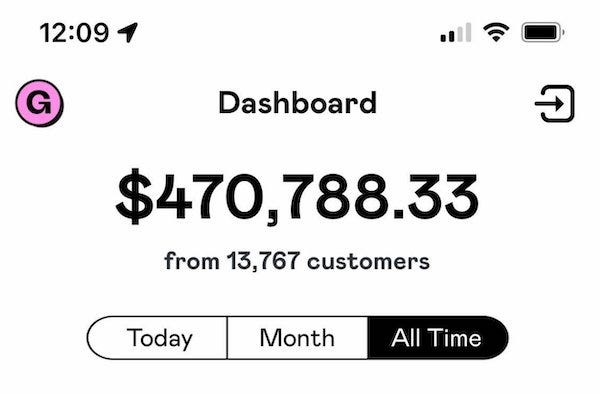
Thomas Frank, who does $100k a month on Gumroad, instantly quit too. I read through the Gumroad tweet replies and many people are leaving.
Why?
Big creators have copped a 300% price increase. Smaller creators have seen a 200% increase.
Outside of Gumroad I’ve copped some nasty price increases in my business too. My hosting plan went up. Zapier prices went up. The Teachable eLearning platform I use added some big price increases too.
When every tech company puts their prices up at the same time it makes it difficult. So now users will scrutinize the value of their software much more.
The Gumroad founder Sahil says they had no choice. Prices had to go up.
- Inflation means higher prices
- The tech bubble has burst and investors demand profits, not just BS valuations and “we’ll make money in 10 years”
- Higher interest rates
Even though these reasons might be valid the market doesn’t care. No one has sympathy for businesses.
Gumroad’s competitors offer way cheaper fees so people will jump ship to avoid the 300% price increase. Fair is fair.
Any business can put its price up. But customers don’t have to pay it LOL.
A problem of centralization
Many of you have heard about Web3. The idea is that a new internet is being built on the blockchain that’s decentralized.
The Gumroad blow up is a perfect example of why we need it. One day a tech bro woke up and decided to increase fees by 300%.
- He didn’t tell customers.
- He didn’t collect data.
- He didn’t speak to the community of customers and sellers.
He just thought to himself “me need more money, me put price up.”
And the whole thing was done in a dishonest way. The new Gumroad price is a 10% flat fee. What they don’t tell you is Stripe fees are now on top which never used to be the case. So the new price is actually 13%+.
When control is centralized democratic decisions aren’t made.
This is the fundamental problem with Web2 technology such as Gumroad.
In the Web 3 world the business would be a DAO (decentralized autonomous organization). The business would be run by staff, users, and investors on the blockchain. When big changes happen a vote occurs. A democratic decision would be made.
Those who dislike the decision could easily migrate their data off the platform and over to a new one — because Web3 data is owned by the user and designed to be portable.
It’s harder to get screwed when users are no longer governed by dictators designed to extort as much profit as possible for their own financial gain.
What’s better than Gumroad
I did the research to see where Gumroad users are flocking to.
The main alternatives are ConvertKit eCommerce, Clickfunnels, and Podia. The big winner seems to be ConvertKit. They charge 3.5% flat and have email software many of the big creators already use.
Smart companies are offering free migrations away from Gumroad.
The one downside I’ve seen with competitors to Gumroad is many of them don’t handle the tax for you or have the option for customers to pay with PayPal. I suspect these small flaws will quickly be resolved.
The upside of Gumroad no one is talking about
Most people who’ve written about Gumroad are amateurs.
They’ve missed one of the biggest points of the whole saga. Let me give you the opposite side of the story. Gumroad may be a-holes for the price increase. But never dismiss a platform.
One of the hardest parts about selling digital products online is finding the customers to buy them. Many creators use social media to build an audience and then sell those people a product via Gumroad.
This can be hard work.
Gumroad has a discoverability feature, though, that’s gaining traction. Users who go to Gumroad can now search the platform for the right product and yours can show up.
This means while Gumroad charges you 10%, they also can provide you with customers.
This feature will grow over time and then Gumroad may be worth it. Their competitors don’t offer any discoverability. You’re on your own to build a social media audience, convert it to an email list, and then send them to a Gumroad competitor.
Gumroad also allows you to manage an email list for free with no caps. Buying an email software provider is expensive and by using Gumroad you effectively solve this problem. Not to be overlooked.
The last thing to note is while 10% plus Stripe fees is high, the Apple App store charges creators and businesses a 30% fee.
In comparison it’s peanuts.
Final Thought
Will Gumroad survive?
I doubt it. Their brand is dead and they killed their number one source of marketing — their big creators. If they do survive all they’ll be left with are small creators who don’t make them much money.
The lesson here for you is simple:
Never trust one tech platform with your life. Always make sure your audience and ways to make money are portable. And if a platform screws you over, leave.


