
Here’s What Embracing Failure Taught Me About Personal Growth
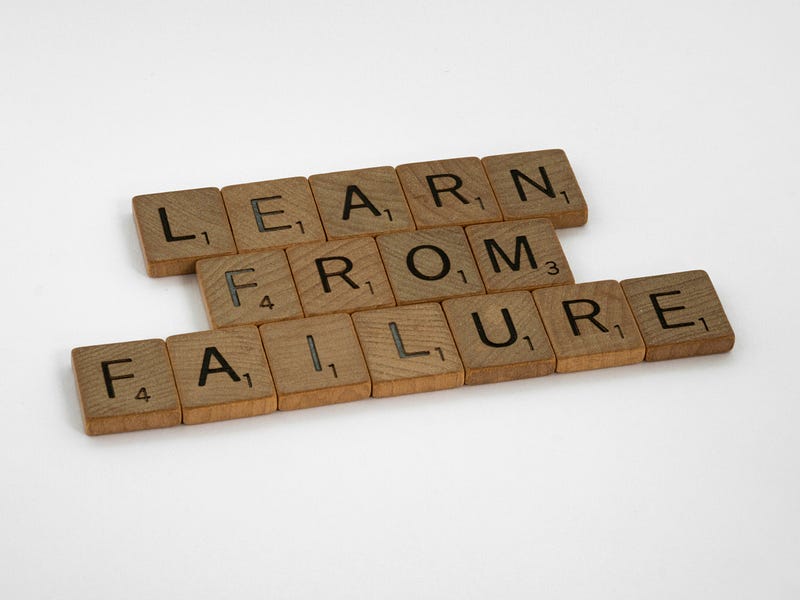
In the entrepreneurial journey, failure is often perceived as a setback, but it holds the potential to be a profound teacher. The article ‘Here’s What Embracing Failure Taught Me About Personal Growth’ delves into the transformative power of failure and its role in fostering resilience, adaptability, and a growth mindset. Drawing from personal experiences and insights, it aims to reshape the narrative around failure, highlighting its value in the path to success and self-improvement.
Key Takeaways
- Embracing change is crucial; failure prompts us to reevaluate and adapt, revealing paths and opportunities previously unseen.
- Perseverance emerges from failure; it teaches us resilience and fortifies our determination to succeed despite obstacles.
- Failures are rich with hidden lessons; they encourage self-reflection and help us grow into better versions of ourselves.
- Vulnerability in sharing failures connects us with others and fosters a supportive community for collective growth.
- A growth mindset is cultivated by viewing setbacks as stepping stones, leading to a love for learning and embracing challenges.
The Myth of Perfection
Why We Chase Perfection
I’ve always wondered why we’re so obsessed with getting everything just right. It’s like we’re all running in a race, trying to outdo each other with our flawless performances. But here’s the thing: perfection is a myth. It’s an unattainable standard that we set for ourselves, thinking it’s the golden ticket to success and acceptance.
- We chase perfection because we believe it’s synonymous with success.
- We fear that any mistake will be seen as a personal failure, not a stepping stone.
- We’re convinced that our social standing hinges on our ability to perform without error.
Remember, it’s not about the number of times we stumble but the grace with which we pick ourselves up. Embracing imperfection isn’t just okay; it’s essential to personal growth. So, let’s cut ourselves some slack and acknowledge that every misstep is an opportunity to learn and improve. After all, isn’t life all about the journey, not just the destination?
The Reality of Imperfection
I’ve come to realize that the pursuit of perfection is like chasing a mirage. It’s an illusion that keeps you running but never gets closer. The truth is, we’re all beautifully flawed, and it’s these imperfections that make us human. Acknowledging this reality was a game-changer for me. It allowed me to let go of the unattainable and focus on what really matters.
- Self-acceptance: Embracing my flaws was the first step towards genuine self-improvement.
- Perspective: Seeing mistakes not as failures but as opportunities to learn and grow.
- Resilience: Each stumble became a lesson in getting back up stronger.
Remember, imperfection is not a sign of weakness; it’s a sign of being alive. The key is to learn from every experience and keep moving forward.
It’s not easy to admit when we’re wrong or to accept that a choice we made didn’t pan out. But it’s necessary. Dealing with my mistakes benevolently has taught me that they don’t define me; they refine me. By not viewing a mistake as a devaluation of self but as a realistic part of life, I’ve learned to navigate them without repeating the same errors. It’s all about the perspective we choose to adopt after the fact that shapes our learning curve, for better or worse.
Failing Forward
Reframing Failure as Progress
I used to see failure as a dead end, a sign to give up. But I’ve learned to flip that script. Now, I see each stumble as a step forward, a nudge in the right direction. It’s about pivoting from a ‘why me?’ mindset to a ‘what’s next?’ attitude.
Embrace the mess. In the chaos of failure, we often find our most creative solutions. For instance, when a project at work tanked, instead of moping, I asked myself, ‘What can this teach me?’ Turns out, a lot. I identified gaps in my skills, sought feedback, and came back stronger.
Remember, progress isn’t a straight line. It’s a zigzag path of trials and triumphs.
Here’s how I started reframing failure into progress:
- Acknowledge the setback without self-judgment.
- Extract the lessons — what worked, what didn’t.
- Adjust the plan with newfound insights.
- Celebrate the small wins along the way.
By shifting how I view failure, I’ve built resilience and kept my growth game strong. It’s not about never falling; it’s about learning how to get back up every single time.
The Lessons Hidden in Setbacks
I’ve come to see that every setback, every stumble, and every fall carries a hidden lesson. It’s like each mistake is a puzzle piece, and when you put them all together, you get a clearer picture of where you’re headed. Failure isn’t just a sign that you’ve done something wrong; it’s an indicator of where you can improve.
- Take a moment to reflect: After a setback, give yourself time to process what happened. It’s okay to feel disappointed but don’t let it cloud your ability to learn.
- Identify the lesson: What went wrong? What could you have done differently? These questions aren’t to beat yourself up but to pinpoint the exact areas for growth.
- Make a plan: Once you’ve found the lesson, it’s time to act. Create a strategy to tackle the issue head-on, ensuring you’re better prepared next time.
Remember, setbacks are not the end of the road but rather signposts pointing you toward a path of continuous improvement. Embrace them, learn from them, and let them guide you to a stronger, more resilient you.
The Resilience Recipe
Building Mental Toughness
I’ve learned that mental toughness isn’t about being unbreakable; it’s about bending without snapping. It’s a skill; like any skill, it can be honed with practice. Here’s how I’ve been working on it:
- Acceptance: First up, I practice acceptance. It’s about acknowledging the reality of a situation without letting it derail me. Peloton was right; there are limits to what we can achieve, but recognizing those limits can actually be freeing.
- Self-care: I can’t stress enough the importance of self-care. It’s not just about bubble baths and naps — though those are great! It’s about ensuring I’m well-rested, well-fed, and well-exercised. This foundation keeps me resilient when life throws punches.
- Growth opportunities: I’m always on the lookout for ways to grow. Whether it’s a new book, a workshop, or just asking for feedback, I see each opportunity as a chance to build that mental muscle.
Remember, resilience isn’t a trait you’re born with — it’s built through consistent effort and a willingness to face challenges head-on.
Bouncing Back Stronger
After a setback, I’ve learned that the key to bouncing back isn’t just about dusting yourself off; it’s about coming back with a vengeance. It’s about taking that hit, looking it square in the eyes, and saying, ‘Is that all you’ve got?’ Here’s how I do it:
- Reflect on what went wrong. I take a step back and analyze the situation without beating myself up. It’s about learning, not self-flagellation.
- Adjust my approach. I tweak my strategy, sometimes just a little, sometimes a lot.
- Get back in the game. I don’t waste time feeling sorry for myself. I take action, even if it’s small steps at first.
Tip: Remember, resilience isn’t about never falling; it’s about how quickly and effectively you can get back up.
By embracing this process, I’ve turned potential failures into powerful lessons. Each time I bounce back, I do so with more knowledge, more experience, and a stronger resolve. It’s not just about recovery; it’s about coming back stronger and wiser than before.
The Art of Letting Go
Accepting What You Can’t Change
It hit me like a ton of bricks one day — I can’t control everything. And you know what? That’s perfectly okay. There’s a kind of freedom that comes with accepting the things beyond my grasp. It’s not about giving up; it’s about focusing my energy where it counts. Here’s how I learned to let go:
- Identifying what I can and cannot change.
- Acknowledging my feelings about the things I can’t change without letting them dictate my actions.
- Redirecting my efforts towards actions that have a real impact on my life.
Remember, letting go isn’t a sign of weakness; it’s a strategic move toward personal empowerment.
This mindset shift didn’t happen overnight. It took practice, patience, and a whole lot of self-compassion. But once I embraced it, I found myself moving forward with more grace and less resistance. I started celebrating the small victories and stopped beating myself up over the inevitable waves of change. Life’s too short to fight battles I can’t win. So now, I adapt, learn, and, most importantly, keep growing.
Moving On with Grace
Learning to move on with grace has been a game-changer for me. It’s about acknowledging that some things are beyond my control and that’s okay. I’ve realized that dwelling on what can’t be changed is like running on a treadmill — you exert a lot of energy but don’t actually go anywhere.
Here’s what I’ve found works for me:
- Acceptance: First, I had to accept the reality of the situation. It wasn’t about giving up, but rather recognizing the limits of my influence.
- Reflection: I took time to reflect on what happened. This wasn’t about assigning blame but understanding the lessons.
- Action: Then, I made a plan. What can I do now? What’s the next step forward?
Remember, moving on with grace isn’t about erasing the past. It’s about writing a new chapter with the wisdom you’ve gained.
Growth Mindset in Action
Cultivating a Love for Learning
I’ve come to realize that a genuine love for learning is like a garden; it needs to be nurtured and tended to regularly. For me, this means carving out time in my schedule, be it a few hours each week or a specific day of the month. I treat this time as sacred, committing to it as I would any other important task.
Tip: Always keep a notebook handy. The best ideas often come when you’re in the thick of learning something new.
Learning isn’t just about formal education or structured programs. It’s about embracing opportunities every day. Whether it’s reading industry articles, following thought leaders on social media, or attending webinars, I make it a point to absorb new insights wherever I can. And let’s not forget the power of conversation. Engaging in discussions with peers or mentors often provides a depth of understanding that can’t be found in written text alone.
By adopting this approach, I’ve found that my capacity for innovation and problem-solving has grown exponentially. It’s not just about accumulating knowledge; it’s about transforming that knowledge into wisdom through experience and reflection. And when I stumble upon a failure, I see it as a puzzle to solve, an opportunity to learn and refine my approach.
Embracing Challenges Head-On
When I started to embrace challenges head-on, I realized they were not just obstacles but opportunities for personal growth. It’s like flipping a switch in your mind from avoidance to engagement. Here’s what I’ve learned:
- View challenges as opportunities: Every challenge is a chance to learn something new. For instance, when I began a new project, I saw it as a puzzle to solve, not a problem to fear.
- Step outside your comfort zone: Growth comes from pushing boundaries. I made it a habit to try new things, which often led to unexpected discoveries about my capabilities.
- Learn from criticism: It’s easy to get defensive, but I’ve found that constructive feedback is invaluable for improvement. It’s about taking the critique and turning it into actionable steps.
Remember, the goal isn’t to avoid failure but to learn and adapt from it. Embrace the process, and you’ll find resilience you never knew you had.
The Power of Vulnerability
Sharing Your Struggles
Let me share something with you. A few years back, I faced a tough financial hardship. It was a period filled with sleepless nights and stress-induced migraines. But, here’s the kicker — this rough patch taught me invaluable lessons about resilience and the art of making do with less.
- Sound familiar? You’ve probably faced similar obstacles and emerged stronger, even if you don’t always give yourself enough credit. It’s time to change that perspective.
Embracing failure isn’t just about acknowledging your struggles; it’s about recognizing the strength it takes to share them. When I opened up about my challenges, I found that it not only helped me process my experiences but also connected me with others who had been through similar trials.
By sharing our stories, we humanize our journey and make it relatable. It’s not just about the setbacks; it’s about the persistence and resilience we build along the way. So, don’t shy away from sharing your struggles. It might just be the most empowering thing you do.
Connecting Through Common Failures
It’s funny how sharing our blunders can bring us closer than our triumphs ever do. I’ve found that when I open up about the times I’ve fallen flat on my face, it invites others to do the same. There’s this unspoken bond that forms when we realize we’re all in this messy journey of life together.
- We laugh over our mutual missteps.
- We swap stories of misfortune that somehow turned out okay.
- We find solace in knowing that nobody has it all figured out.
Remember, it’s not about glorifying failure but recognizing its role in our growth.
This camaraderie that comes from vulnerability has been a game-changer for me. It’s taught me that it’s okay to not be okay and that sometimes, the best way to move forward is to acknowledge where you’ve been, warts and all. So next time you stumble, consider it an invitation to connect and grow, not just with others, but with yourself too.
The Growth in Fumbling
In the end, it’s clear that the bumps and stumbles along our journey are more than just obstacles; they’re the very essence of personal growth. Embracing failure isn’t just about being okay with falling down — it’s about recognizing that each fall is a chance to rise up stronger and wiser. Whether it’s learning to embrace change, persist through challenges, or simply forgive ourselves for not being perfect, failure teaches us invaluable lessons that textbooks just can’t. So, let’s wear our scrapes and bruises like badges of honor, knowing that with each one, we’re carving a path to a more resilient, authentic self. Remember, it’s not the number of times we fall that defines us, but the strength with which we rise. Keep fumbling forward; it’s the secret sauce to real growth.
Frequently Asked Questions
Why is it important to embrace failure for personal growth?
Embracing failure is crucial for personal growth as it allows us to confront our weaknesses, learn from our mistakes, and develop resilience. It pushes us out of our comfort zones, leading to self-reflection and a deeper understanding of ourselves, which is essential for becoming better versions of ourselves.
How can failure be reframed as a positive experience?
Failure can be reframed as a positive experience by viewing it as a learning opportunity and a stepping stone towards success. Instead of seeing it as a setback, we can recognize the lessons it teaches, such as the importance of perseverance and adaptability, and use it to refine our strategies and approaches.
What role does vulnerability play in connecting with others after a failure?
Vulnerability plays a crucial role in connecting with others after a failure, allowing us to share our struggles authentically and find common ground. It fosters a sense of community and support, helping us realize that we are not alone in our experiences of failure and that it is a universal aspect of the human condition.
Can you share a personal experience where failure led to an unexpected positive outcome?
One personal experience was when a failed business venture forced me to reevaluate my approach, leading me to discover new opportunities I had previously overlooked. This setback taught me the importance of adaptability and opened doors to more suitable and successful endeavors.
How does a growth mindset influence the way we handle challenges and failures?
A growth mindset influences how we handle challenges and failures by encouraging us to embrace them as opportunities for learning and improvement. It shifts our focus from fearing failure to valuing the growth that can come from it, thus fostering a love for learning and the courage to face challenges head-on.
What strategies can help build resilience and mental toughness in the face of failure?
Strategies to build resilience and mental toughness include maintaining a positive outlook, setting realistic goals, practicing self-compassion, seeking support from others, and consistently reminding ourselves that failure is a natural part of the growth process. Additionally, reflecting on past successes and learning from failures can strengthen our resolve to persevere.


