
Health | Sleep | Productivity
Here Is the Science of Sleep and Productivity
Let’s learn how it works and sleep better to boost productivity.

We know the average adult needs 7–8 hours of good-quality sleep to function at its best.
However, in reality, some need more or less.
For example:
I used to sleep max 6–7 hours in my late 20s or early 30s, and if I slept more than 6 hours, I usually got tired and felt lethargic all day. I don’t recommend it.
But now I have to sleep 7–9 hours of quality sleep. My average is close to 8 hours each night.
The most crucial part is finding out how much sleep you need.
As I mentioned, every human has different requirements for sleep.
We all know that sleep is a critical part of our life to live a better life.
It boosts our immune system, helps mental health, and can prevent many diseases like diabetes, heart conditions, depression, anxiety, cancer, obesity, etc.
The best bridge between despair and hope is a good night’s sleep.
— Dr. Matthew Walker
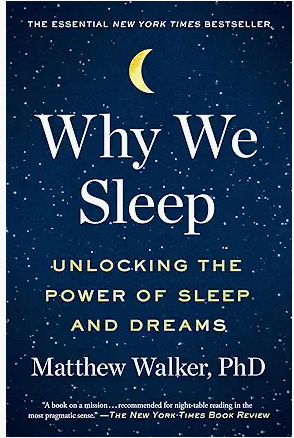
I never spent enough time thinking about why sleep is so important until I read the following book by Matthew Walker.
Fact:
Study shows that people need less than 6 hours of sleep and can function perfectly fine.
However, the percentage is meager, merely 1%.
I used to be in 1%.
Pro Tip:
To find out how much sleep you need?
Well, if you wake up tired and feel lethargic all day and/or cannot wait to go home for a nap, It means you need sleep; like my partner, she sleeps at least 8–9 hours each night.
There could be many reasons you are not getting proper sleep, including health conditions, environment, and room temperature.
But in most cases, it’s timing, which time you are going to bed, and how much quality sleep you are getting.
If you are having difficulty waking up early, don’t consume too much energy on how to wake up early; just go to bed early. That’s it!
Why sleep is excellent for us
Sleep deprivation is the most common brain impairment.— William C Dement
Sleep can boost our immune system.
A healthy immune system is essential to live a productive life.
If you have had sleep issues for a long time, I would suggest visiting your physician, as there may be more severe issues than your bedroom environment.
Sleep to get slim
Yes, you read it right: not having enough sleep is one of the leading causes of putting on weight.
Research has shown that, on average, people who sleep less than 7 hours are at risk of putting on more weight or becoming obese than those who sleep at least 7 hours.
Mental health vs. sleep
Sleep is the single most effective thing we can do to reset our brain and body health each day.— Dr. Matthew Walker
A night of good sleep is mandatory if you have an exam the next day or any important meeting.
Instead of studying all night or working on your presentation deck, it’s good to have a quality sleep.
Therefore, you can focus on the big day.
Research shows that chronic sleeping disorders can lead to anxiety and depression.
Research also showed a great correlation when people were depressed; researchers found sleep deprivation.
They were so busy and could not find more than 6 hours of sleep.
Sleep vs. Diabetes
Research shows that sleep can prevent diabetes, and it also indicates that people who sleep less than 6 hours are at risk of developing diabetes.
Sleep vs. heart disease
Long-term sleep deprivation has been linked to increased heart rate, blood pressure, and levels of certain chemicals connected to inflammation.
All of which may place additional strain on your heart.
My top 6 proven tips to sleep better
- Set a sleep Schedule, and make sure to go to bed at a certain time.
- Avoid caffeine at least 4–6 hours before bedtime; try decafe if you cannot stay away; decafe still has caffeine but almost nothing to disturb your sleep.
- Exercise: Hit the gym, do long walks, hike in nature, try outdoor activities
- Avoid big meals before bedtime, avoid liquid, and focus on a huge but healthy breakfast.
- Set room temperature, and invest in excellent curtains to go pitch black. I use these Blackout Curtains.
- Do not sleep with your cell phone at night. Keep your phone out of the bedroom and thank me later. Buy a basic alarm clock.
As a new reader, please check my holistic health, productivity, and well-being stories reflecting my reviews, observations, and 30+ days of experiments (29 completed so far) to build a sustainable healthy lifestyle.
I also write about the general philosophy of life. For your convenience, here are the links.
Mental Health/Brain Damage, Hiking, Cofee (New Research), Technology, Healthy Lifestyle, Life Lessons, Productivity, Learning, Money


