avatarDennett

Summary

The poem "Herding Raindrops" by Dennett is a poignant reflection on the nature of emotion and the inevitability of tears in response to life's myriad experiences.

Abstract

"Herding Raindrops" is a deeply emotional poem that captures the essence of the speaker's sensitive nature. The speaker admits to crying easily and often, not just in response to sadness but also to joy, beauty, and nostalgia. They describe a profound connection to their emotions, which they compare to the futility of the sky trying to contain raindrops. The poem explores the interplay between past and present, highlighting the speaker's vulnerability and the impossibility of controlling or compartmentalizing their feelings. The speaker embraces their emotional self, acknowledging that their capacity for tears is intrinsically linked to their ability to love and experience life fully.

Opinions

  • The speaker views their emotional nature as a fundamental aspect of their identity, accepting that it is inseparable from who they are.
  • There is a sense of nostalgia and a bittersweet acknowledgment of the passage of time, as the speaker cries for happy memories that are no longer present and for the future that will not match their expectations.
  • The speaker rejects the idea of containing or controlling their emotions, likening it to an impossible task, much like trying to prevent rain from falling.
  • The poem suggests that attempting to suppress emotions can lead to a loss of other positive aspects of one's emotional life, such as laughter and the capacity to love.
  • The speaker values authenticity and vulnerability, believing that to truly connect with others, one must

Herding Raindrops

a poem about emotion
© Dennett 2021

I cry easily, quickly, completely, tenderly — I cry for sad stories, fearful tales, losses, disappointments, and joy — yes, I cry when others may smile or cheer, when a story is heartwarming, inspirational, or hopeful. I cry when seeing sunrises and sunsets, kittens and puppies, and watching people hug in airports, back when I went to airports. I cry at movies with happy endings and TV commercials about unexpected phone calls or guests and early morning coffee.

I cry when I think of my grandchildren and passing time, deceased pets and gentrification, old neighborhoods and all the places where I was once and am not anymore. I cry most for happy memories because they aren’t now, and I cry for now because it will soon be a memory and I cry for the future because it won’t be what I thought it could be.

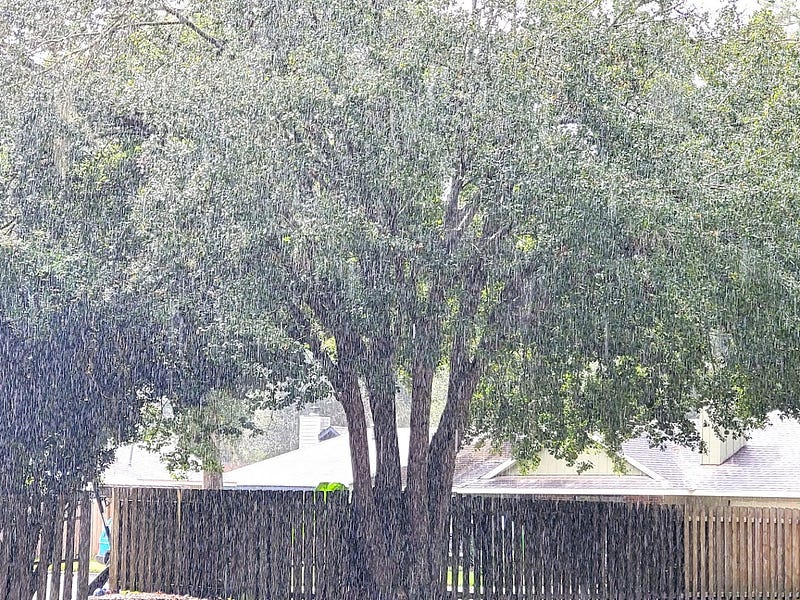
You tell me to contain my tears, compartmentalize my remembrances, bringing them out when I’m in control but I’m never in control, I teeter on the edge of emotion, slip-sliding down slopes of sentiments, always damp from tears I can’t repress, suppress, or imprison — containing my tears is like the sky herding raindrops, both are impossible.

I’ve always been emotional — quick to cry, laugh, smile, and love. When I’ve tried to be less gushy, my laughter disappeared with my tears. When I tried to be less vulnerable, I lost my ability to love. Age taught me that I am a package deal. To know my heart, you must swim through my tears.

© Dennett 2021

Thanks, Lucy Dan 蛋小姐 (she/her/她), for this prompt:

Poetry
Emotions
Tears
This Is Me
Prompt Response
Recommended from ReadMedium