
Help! Which eCommerce Platform Do I Choose?
Top 4 eCommerce Platforms of 2020.

Looking to start selling your products online? Overwhelmed by the countless platform options? I’ve got you covered. Let’s break down my top 4 eCommerce platforms so you can get your online store up and running in no time.
What’s an eCommerce platform?
An eCommerce platform allows you to manage and create your store from the ground up. You’ll manage sales, products, operations, and more here.
Online shopping is the new norm and only continues to grow. Because of this, the market has become quite saturated with software options.
1. Shopify
Shopify is one of the most popular eCommerce platforms on the market. Over a million businesses currently utilize it for their online sales. It’s easy to set up, use, and grow with which is important for any business.
Shopify Highlights:
- Award-winning 24/7 support
- Sell products online, through social media platforms, online marketplaces, and in-person with Shopify POS
- Website themes are optimized for mobile
- Drag and drop site builder
- Payment processor built-in the platform
- Integrated with thousands of applications
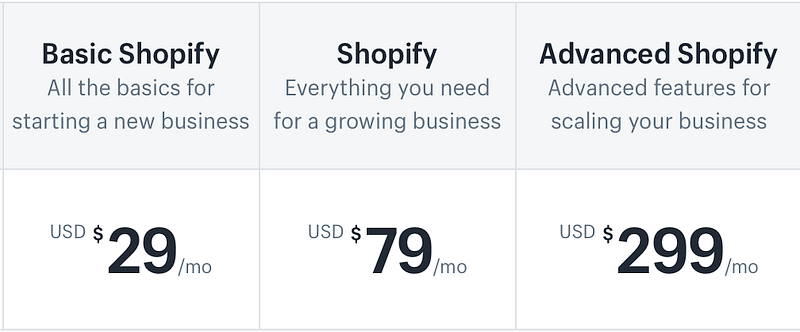
No matter the size of your business, Shopify has a plan that will suit you. Kylie Jenner, Gymshark, Heinz, and many other major brands all are currently using it! If you’re just getting started, the Basic Shopify plan will get the job done but eventually, you will want to move to the mid-grade plan to receive access to several features such as gift cards and shipping/processing discounts.
2. Squarespace
Squarespace is another great choice for your eCommerce platform. It is easy to build your site and comes packed with sleek templates to work with and make your own.
Squarespace Highlights:
- Sell physical and digital products
- Unlimited products
- Several payment method options
- Gift cards
- Optimized for mobile
- Abandoned cart recovery
- Analytics Mobile App
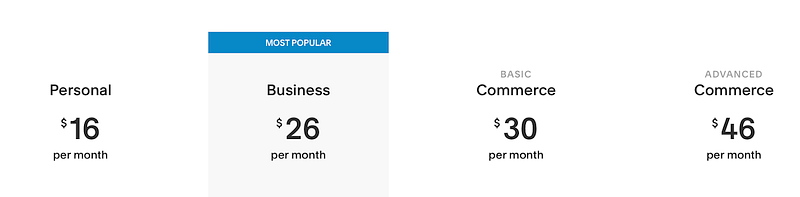
Unfortunately, eCommerce is not available with the personal plan. You can sell online using the Business plan, but there is an additional 3% transaction fee to Squarespace, and you will not get all of the useful eCommerce features. That being said, the basic commerce plan is the way to go for starting out but even that does not include all of the features. If you decide to go advanced, you will get a discount for choosing annual billing instead of monthly!
3. Wix
Wix is widely known for its simplistic website designing capabilities. If you are already using this platform, make the transition to eCommerce a little simpler and stick with what you know! The eCommerce function also utilizes the drag and drop method, similar to their regular website options. All you need to do is upgrade your current plan to eCommerce to begin accepting payment methods.
Wix Highlights:
- No transaction commissions
- Dropshipping
- Sell product on multiple channels (Facebook, Instagram, etc.)
- Shipping and tax estimates on checkout page
- Express Checkout
- Create customer accounts
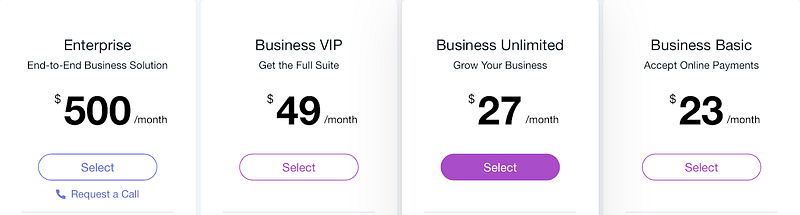
Wix is versatile and offers great tools to grow your business. With extensive plan options, the sky’s the limit with this platform. Even if you’re new to the eCommerce world, Wix makes it fun and easy to manage!
4. WooCommerce for WordPress
WooCommerce is a full service eCommerce solution built directly through WordPress. Whether you are just getting started with your business or creating a store for your clients, this platform will help you build exactly what you are looking for.
WooCommerce Highlights:
- Flexible and secure payments (Stripe, PayPal, Square, ApplePay, etc.)
- Mobile App for on the go use
- Sell anything (physical, digital, subscriptions, bundles)
- Hundreds of free and paid extensions
- Public support forum
- Multilingual content and several currencies available for international use
WooCommerce and WordPress are free. It is up to you how much you would like to invest in your eCommerce store. However, there will be some unavoidable costs to get you started including:
- Web Host (BlueHost, GoDaddy)
- Design and Themes (there are free ones available as well)
- Features — Seo, Marketing, Payments
- Domain Name
- SSL Certificate
Be sure to have these costs in mind when building with WooCommerce. If you are looking for flexibility and functionality options, this may be the eCommerce platform for you!