
Help! My Friend Has Breast Cancer!
What should I say or do? Or NOT do?
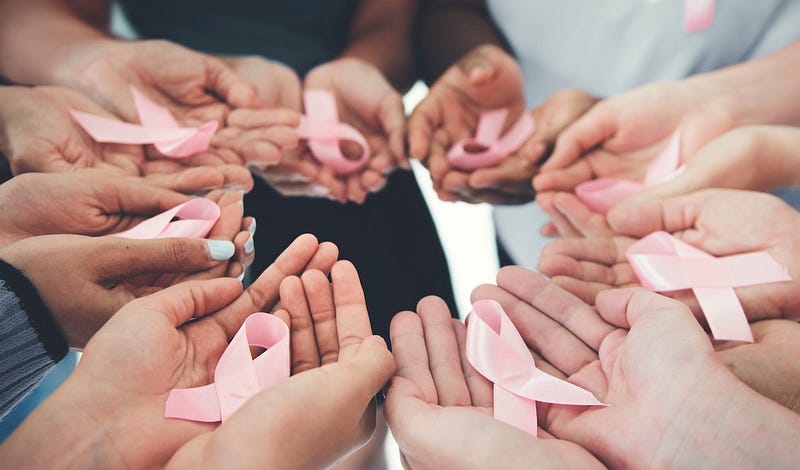
The most awful words I ever heard were, “You have breast cancer.”
That message from my doctor struck fear into my heart at the deepest level. I doubt I am alone in the questions I asked next.
What happens now? What should I do first? Who can I turn to for help?
Current statistics show that one in eight women in the U.S. will develop invasive breast cancer during their lifetime.
That means that most of you will at some point hear a friend or family member say those painful words, “I have breast cancer.”
Suddenly you have to decide what to do, what to say, and how to help. Trust me—I learned about this firsthand.
The shocking moment
Learning I had breast cancer was awful. But what happened next amazed me and helped me get through my treatment and recovery.
On the day after I received the diagnosis, I called my sister as well as two of my best friends. They responded perfectly.
They were horrified. Shocked. Sad for me. But their words were only part of my comfort. It was their actions that spoke the most.
Within a few hours of my telephone call, one friend brought over a small square white box. Inside was a beautiful print scarf, the huge kind that you can wrap around in a knot and wear with a sweater.
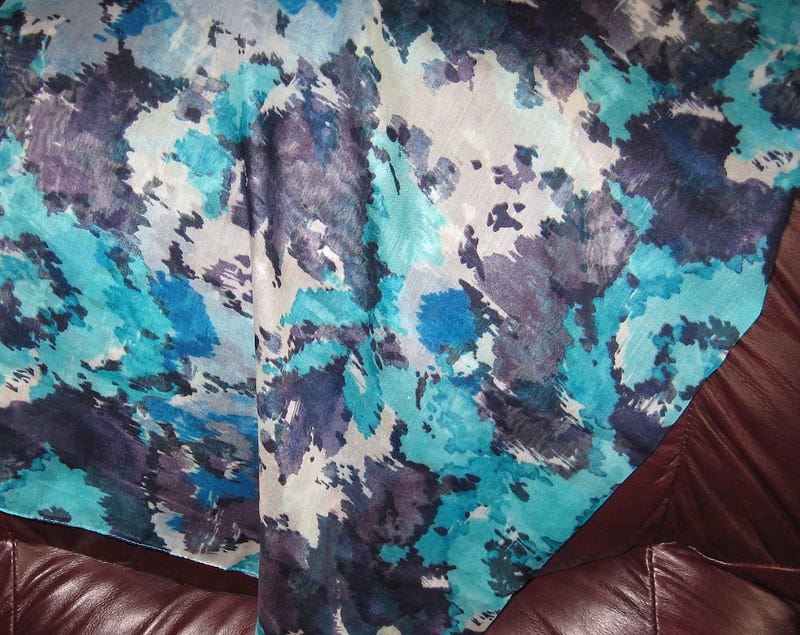
It had all my favorite colors, lots of purple and teal. From the minute I looked at it, I felt stronger and more confident I could face what was ahead. If nothing else, I knew I could stay colorful!
Later that day, another friend came to my door with a loaf of freshly baked cinnamon bread, still warm from her oven. We immediately sat down and ate a few slices, giving us a sense of connection as well as great comfort.
A friend when I needed it most
My sister who lived in another state was on a plane within days and stayed with me for a week. She sat with my husband during my surgery and then helped take care of me as I recovered.
She went with me to the stores that carried special mastectomy bras and stood with me while I learned about wigs and scarves to wear during chemo. Her presence helped me feel less alone as I dealt with the fears and the treatment steps.
Emotional ups and downs
After my double mastectomy surgery, the initial pathology report came back showing the tumor was localized and had not spread. That meant I wouldn’t need chemotherapy.
But two days later, a revised report showed one lymph node had been positive, and my surgeon said that almost guaranteed I’d need both chemo and radiation.
I emailed my list of friends, and let them know it looked like I’d be having chemo after all.
A few minutes after I sent the email, my doorbell rang. It was my friend holding another loaf of cinnamon bread. “I just read your email,” she said, “and I am SO sorry!”
We hugged, and we both cried. I was totally moved by her sensitive caring gesture. Someone knew I was in pain, and that was all that mattered. I loved how she responded so quickly to let me know that she cared.
About six weeks after my surgery, my oncologist informed me that updated tests showed I wouldn’t be needing chemo after all. Instead, I ended up taking one of the long-term drugs used to prevent cancer reoccurrence.
How to help a friend
I learned a lot from having breast cancer. I discovered that I could survive a very difficult time and that eventually, I would heal and recover.
I also gathered amazing insight on how to help a friend or family member diagnosed with breast cancer or some other major illness.
Of course, everyone responds differently, but based on my own experiences, here are some things I suggest:
• Respond quickly. • Be shocked. Be sad. Be hopeful. Be all of them. • Send an email or a card, or both. • Call and ask when it’s a good time to stop over. • Or email, and ask when it’s a good time to call. • Ask which day you could deliver a meal. Use disposable pans. • Send a gift card to a nearby restaurant. Offer to pick up a take-out order. • Be a presence. Be willing to sit with and even cry with them. Be silent at times.
Show up with a token of some kind. I told you about the scarf and the bread. A different friend brought a gift bag that contained homemade scones, flavored teas, and a special card.
Another left off a stack of books, saying, “Don’t worry about when you return these.” One amazing friend offered to drive me to chemotherapy and sit and read during my treatments.
During the weeks when I was healing from my surgery, friends brought meals or offered to pick up food orders for us. I appreciated every one of these simple gifts. And receiving compassion from others gave me a deeper understanding of what it feels like to allow people to care.
I don’t know what to say
Sometimes we don’t know what to say to people, so we don’t say anything. I learned that there isn’t a wrong way to let people know you care.
So let go of your fear, and communicate your concern. Here are a few suggestions about what to say:
• I’m so sorry! • I’ve been thinking of you. • I’m praying for you. • My thoughts and my heart are with you. • I’d be happy to help in any way.
Don’t worry about saying the wrong thing. Write notes on a card, offer words of encouragement and concern, and then mail it.
The simple words, “I’ve been thinking about you and praying for you,” always meant a lot to me. It’s fine to let people know you don’t have answers or don’t know what to say. But be sure to let them know you care.
What to NEVER say or do
Keep in mind that women with breast cancer want to hear positive and encouraging words.
They do NOT want to know about someone whose breast cancer came back and how that person had a terrible time and eventually died from it. Please do NOT tell any of those stories.
Everything helps
In the weeks and months after my surgery, I was blessed with an outpouring of wonderful support and encouragement. I received dozens of cards, as well as a bunch of visits and telephone calls. Each one of them meant a lot to me.
I know what it’s like to have friends who showed tremendous love and caring during one of the most difficult times I’ve ever had in my life.
While I’m fortunate to have a wonderful medical outcome, the love and support of all of those friends were part of what helped me get through it.
The sisterhood of survivors
Many of you are members of the sisterhood of those who’ve had breast cancer. Others of you have learned how to be there for someone else during this difficult journey. I applaud, encourage, and support every one of you!
And…I am happy to tell you that I am now a 13-year survivor!