
Hello World, the Caribbean would like a Word.
Let’s talk about how the Caribbean is seen from the outside world.
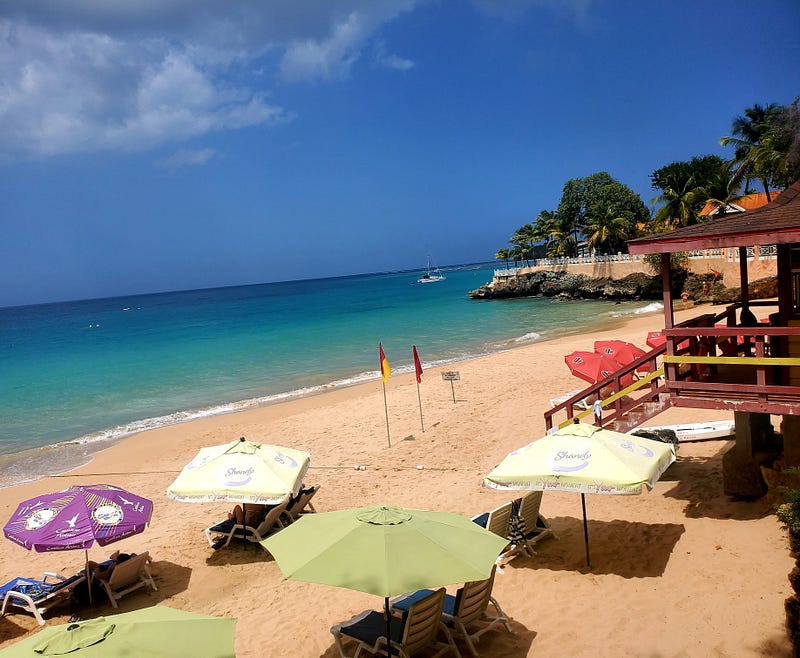
What comes to your imagination when you hear the word “Caribbean”?
Do you somehow imagine: sea, sun, sand…relaxing in a hammock while you drink coconut water from a coconut, looking out as the natives bustle about returning to their huts?
Do you hear ‘reggae music’ and the cacophony of seagulls, crickets and the crashes of the waves against the shore?
If you’ve imagined this or something similar, do not be ashamed. Some of it is indeed part of the Caribbean experience but the Caribbean is also so much more than that. Unfortunately, aside from Jamaica, the other Caribbean islands are lesser known.
I’ve had countless experiences where the conversation is the same. “Where are you from?”, to which I answer, “Trinidad and Tobago, it’s in the Caribbean.” and the response is generally along the lines of “Ah, I only know of Jamaica and Cuba..” or they will adopt a tragically incorrect Jamaican accent and say “Yeah mon! Ah know de Caribbean”.
Though, it is not only social interactions that perpetuate stereotypes about the Caribbean, large-scale global companies do it as well. There are companies who hard-code their websites so that a specific IP address range is sorted by geo-location.
While there is nothing wrong with this from a technological perspective, it is very frustrating to browse such a website as a person living in an English-speaking Caribbean country. In most cases when you visit a geo-location filtered website from the Caribbean, you are taken to a version of that website that is only in Spanish which also does not have an option to switch the language back to English.
Given the proximity that the Caribbean has to South America/Latin America, it is based on assumption that the language will primarily be Spanish. Simple research on the companies’ end can provide them with the smallest notion that in fact, a lot of the Caribbean islands do not use Spanish as a First Language. In fact, there are only two independent Caribbean countries who primarily speak Spanish out of all thirteen, Cuba and the Dominican Republic.
E-commerce also comes with its’ restrictions. Most “global” payment companies do not support Caribbean countries: Stripe, Paxum, Braintree are examples of this. Most Caribbean countries also cannot send nor receive donations on Youtube, Facebook and other platforms.
Paypal also has a lot of limitations. While marketed as global payment options, the Caribbean is mostly excluded on their countries list. There are a lot of hoops that you have to jump through to even possibly receive payment through e-commerce as someone who lives in the Caribbean.
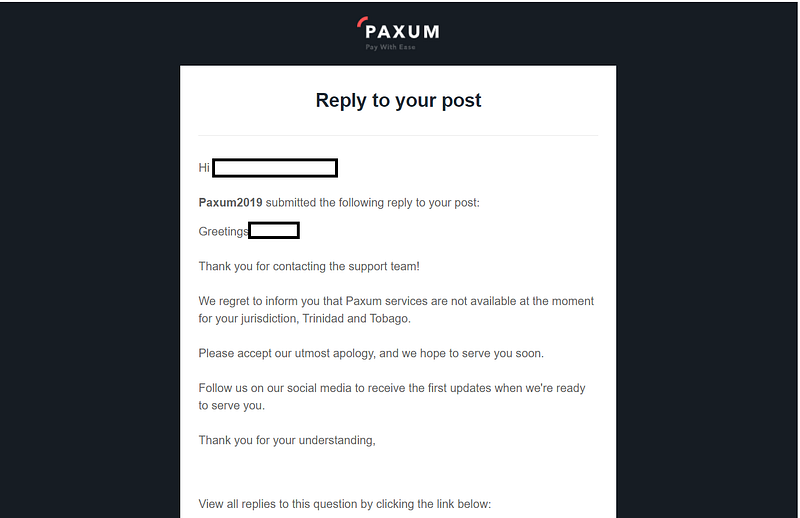
These restrictions can also possibly relate to the fact that the Caribbean is seen as a region that is home to third world countries. While that may be true, third world countries are also developing countries and as the years go by, some may improve and some may not. It is not fair to “gatekeep” countries based on their “world status” without researching first. “Developing” means that in a few years or more, the Caribbean can also catch up to the more developed countries in the world. Please, don’t just exclude us, give us a chance.
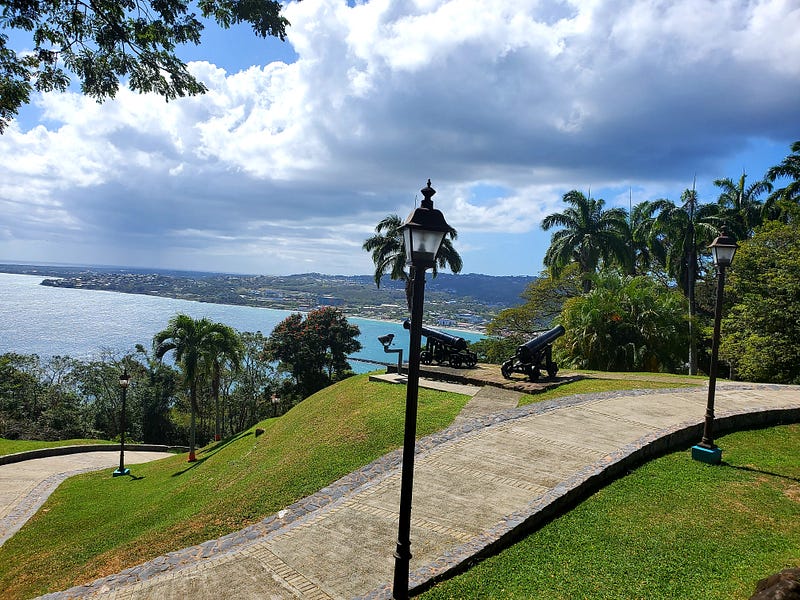
Now, let’s circle back to the scenario of your imagination; replace the huts with proper houses, replace the island scenery with developed towns and bustling vehicles, replace the reggae music with the regular city hubbub. Now imagine it all together with the tropical experience that you have always imagined before….
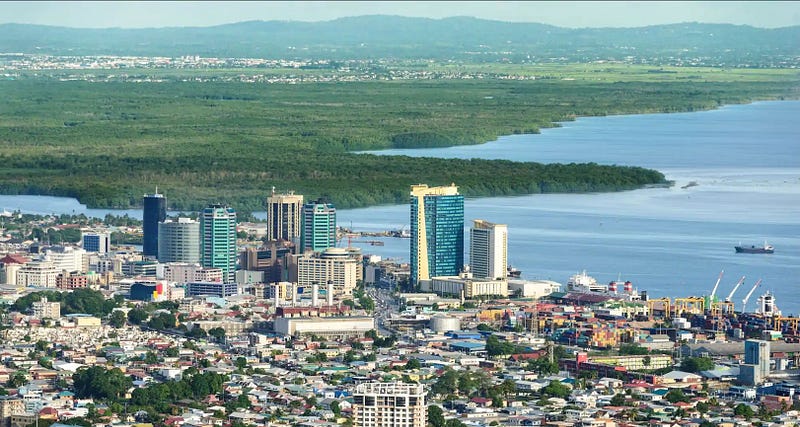
THAT is the Caribbean.


