
Heights Do Not Represent What Happens on the Ground
A fresh perspective into skyscrapers
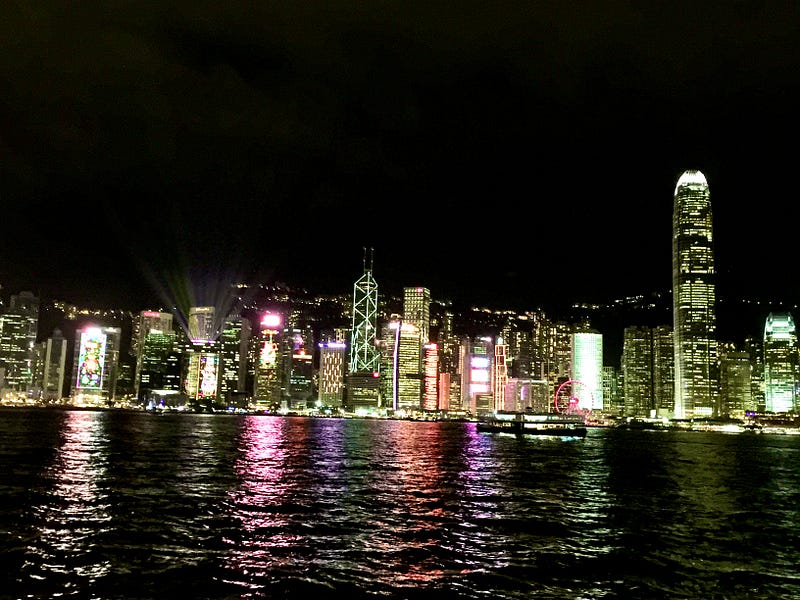
As someone who grew up in Hong Kong, we view high-rises and skyscrapers as a part of our daily lives, something we greet every day but don’t think much about.
Many live in high-rises, work in skyscrapers, and walk past them multiple times daily. Families love hiking around Victoria Peak to enjoy a good view of the city. Whenever skyscrapers are mentioned, it is common to see photographs of the skyline of Hong Kong.
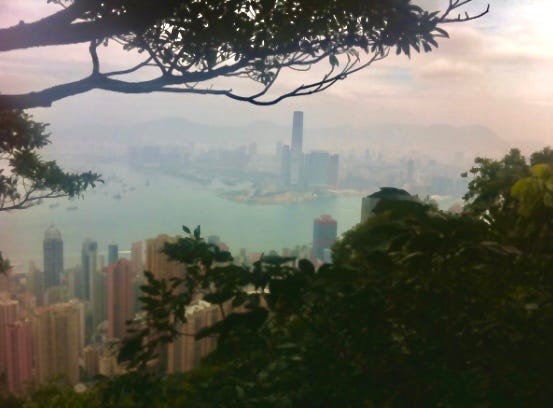
People will not miss the two tallest buildings in Hong Kong — the IFC on Hong Kong Island (412 meters) and the ICC on the Kowloon side (484 meters).
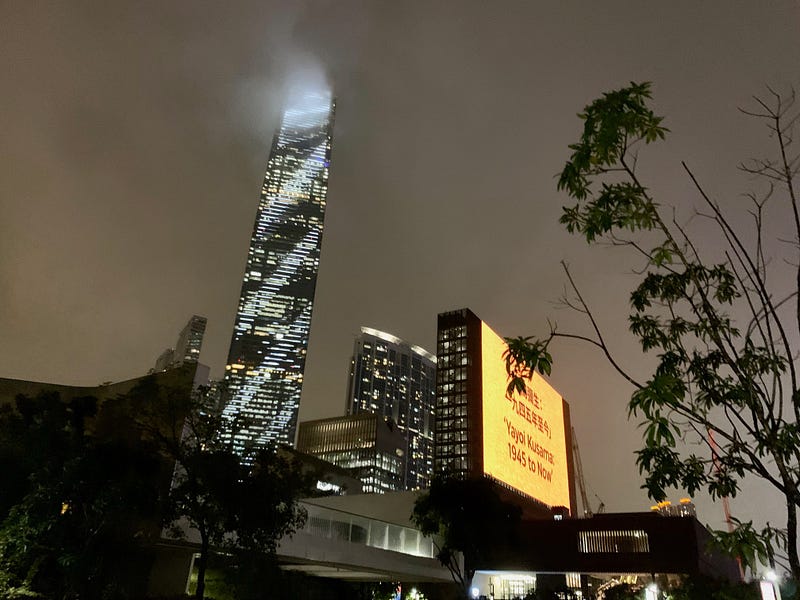
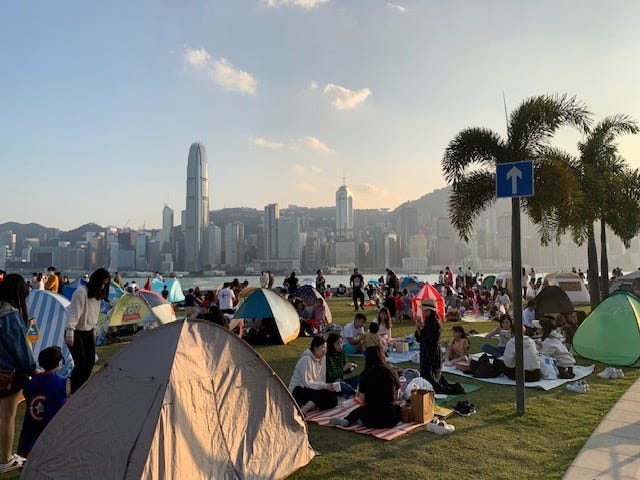
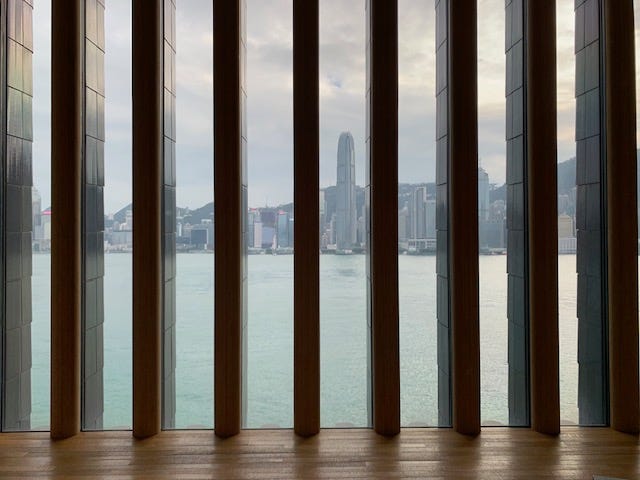
Digging into the “how” and “why” of skyscrapers, I discover many more interesting facts.
What are Skyscrapers and Why Are They Useful?
Skyscrapers were made possible because of the work of Henry Bessemer who invented the process to mass produce steel inexpensively.
The first skyscraper was the 10-storey Home Insurance Building in Chicago, which was finished in 1885. At that time, skyscrapers were defined as commercial buildings with at least ten stories built with an iron or steel framework. Nowadays, skyscrapers must have at least 40 floors and be at least 150 meters (492 feet) tall.
There is another criterion to be a skyscraper: 50% of the building must be habitable floor space. That is why Tokyo Skytree or CN Tower are called towers and not technically skyscrapers.
Why do we need skyscrapers? These reasons are cited:
▶ Smart city planning and white spaces in dense cities.
▶ Levelling inequality and increasing home ownership and affordability.
▶ Allowing more people to live in the city, speeding up urbanization.
▶ Improving the environment by encouraging people to use less.
▶ Providing people with a view and sight to relax.
I have another reason: skyscrapers provide the opportunity to see and learn something new.
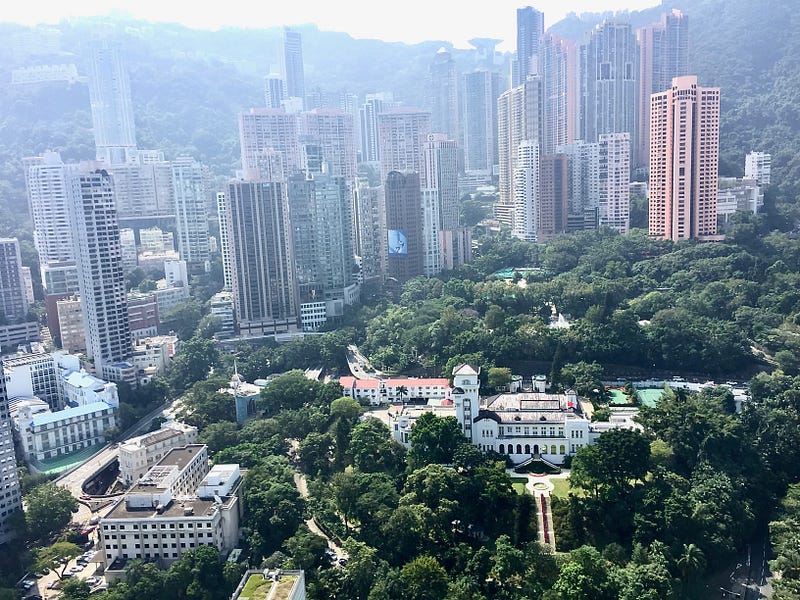
Below is the view from the 68-story Cheung Kong Centre, one of the Grade-A office buildings in Hong Kong.
What did I see?
Towards the bottom right of the paragraph, do you see a large, colonial-style house? It is the Hong Kong Government House viewed from the back. It was constructed in 1855 as a Colonial Renaissance-style building and was significantly remodelled during the Japanese occupation.
Government House was the official residence of the British Governors from 1855 to 1997 when Hong Kong was under British rule. Now it is the official residence of the Chief Executive of Hong Kong.
The building is heavily gated and secured. Growing up, I could only peep through the gates to see a little bit of the ground. There are one to two open days to the public nowadays.
What a view of the Hong Kong Government House from the skyscraper!
The house is surrounded by lush plants and has huge external staircases, a tennis court, and a large reception area for official entertainment. It is a declared Monument of Hong Kong.
The True Measure of Skycraperness?
Countries tend to build one tallest building after another. The current tallest skyscraper is the Burj Khalifa in Dubai (828 meters/2717 feet and 163 floors!)
When we think of skyscrapers, we think of The U.S., UAE, and China.
What is the right way to think about the skycraperness of a country? Building the Skyline gave us some fresh perspectives.
The researchers added up the total heights of all the buildings in each country that are 55 meters or taller. They showed that Korea, China, and Russia ranked in the top 3.
Then they divided that number by the respective urban population to get the number of kilometers of building height per million urban residents. South Korea, Hong Kong, Singapore, and even Panama rose to the top.
The researchers “improved” the skyscraperness measure based on how much cities “overbuild” after considering their population, income, and other factors that might directly affect their supply, for example, the cost of acquiring land. South Korea maintained the top spot but Mongolia and Slovenia took the second and third places, followed by Israel and Cyprus. Isn’t it a surprising result?
The desire of any country for preservation or preference for high-rise living will ultimately affect the number of skyscrapers that stand tall and upright.
When looking at global skyline characteristics, focusing on exciting skylines is misleading. About 70% and 80% of tall building heights in the world come from high-rises below 100 meters (not skyscrapers) and residential towers (not office buildings), respectively. Thus, many skylines visually appear more prominent internationally than they are after controlling for standard demand and supply variables. Hence, boring skylines are more numerous worldwide, despite suffering from a visibility problem.~Building the Skyline
The sky-high skyscrapers do not necessarily represent what is happening on the ground.
Life is similar. What appears shiny on the surface may be different inside. Something that looks easy to do requires decades of learning and practicing. Someone who looks rough on the outside may be the most vulnerable inside.
Enough philosophizing.
Let us simply enjoy the views from high-rises whenever we get the chance and look a little further and a little broader and try not to get stuck in our little minds.
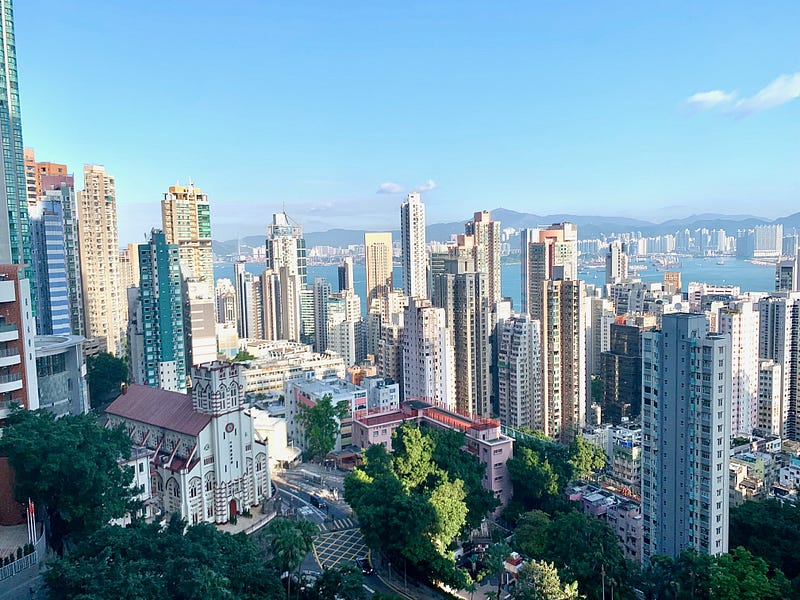
I am grateful whenever I visit my hometown Hong Kong I can appreciate this view from my parent’s place.
This is in response to Globetrotters’ June “Monthly Challenge” — Skyscrapers.
I would like to tag two fellow writers who brought us their terrific experiences of being at the top of the world:
What a feeling and experience to have coffee and lounge in the tallest building in the world!
She mentioned the real reason why she went up the Tokyo Skytree (not for the view)!
Thank you for reading!
If you like my story, you may like to subscribe whenever I publish on Medium or join Medium via my link to read and write unlimited stories!


