
Healthy Living Beyond 50

Reaching the age of 50 is a milestone that brings with it a new chapter in life, one that is ripe with opportunities for maintaining and even improving overall health and well-being. While age may bring certain challenges, adopting a healthy lifestyle can significantly contribute to a vibrant and fulfilling life well beyond the half-century mark. In this article, we’ll explore key strategies for staying healthy and thriving as you journey through the second half of your life.

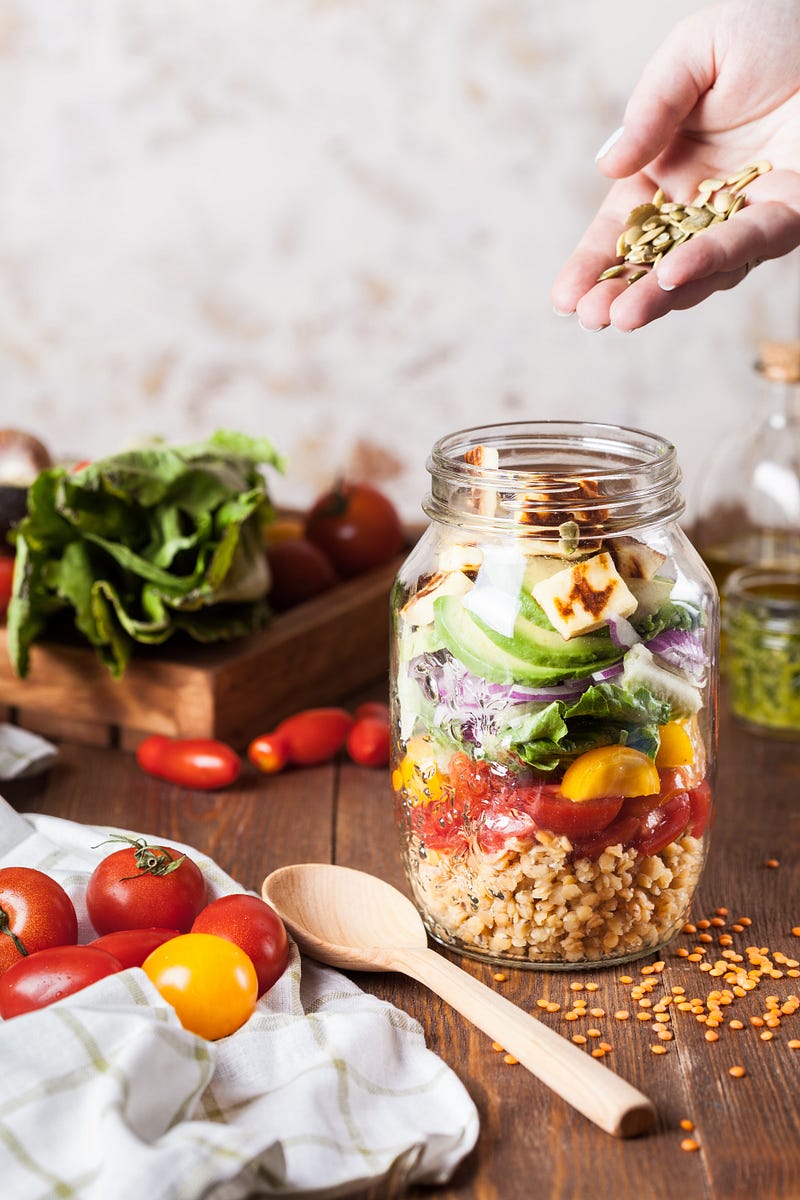
1. Prioritize Nutrition: As metabolism slows down with age, it becomes increasingly important to focus on nutrient-rich foods. Embrace a balanced diet that includes a variety of fruits, vegetables, lean proteins, whole grains, and healthy fats. Minimize processed foods, excessive sugar, and salt intake, and consider consulting a nutritionist to create a personalized eating plan.
2. Stay Active: Regular physical activity remains crucial for maintaining muscle mass, bone density, and cardiovascular health. Engage in a mix of aerobic exercises, strength training, and flexibility exercises. Aim for at least 150 minutes of moderate-intensity aerobic activity per week, and include activities that you enjoy, such as swimming, walking, yoga, or dancing.

3. Prioritize Sleep: Quality sleep is vital for overall health and cognitive function. Create a bedtime routine, ensure a comfortable sleep environment, and aim for 7-9 hours of restful sleep each night. If sleep problems persist, consult a healthcare professional.

4. Manage Stress: Chronic stress can take a toll on physical and mental health. Practice stress-reduction techniques such as meditation, deep breathing, mindfulness, or engaging in hobbies that bring joy and relaxation. Surround yourself with a supportive network of friends and family.

5. Regular Health Screenings: Regular check-ups and health screenings are essential for early detection and prevention of potential health issues. Stay up-to-date with vaccinations, screenings for chronic diseases (such as diabetes, hypertension, and cancer), and recommended health assessments.

6. Cognitive Engagement: Keep your mind active by challenging it with cognitive exercises like puzzles, reading, learning new skills, or engaging in creative activities. This can help maintain cognitive function and reduce the risk of age-related cognitive decline.

7. Social Connections: Maintaining a strong social network is crucial for emotional well-being. Stay connected with friends, family, and community groups. Engage in social activities that bring joy and a sense of belonging.

8. Hydration: Proper hydration is often overlooked but is essential for various bodily functions. Drink plenty of water throughout the day, and monitor your fluid intake, especially in warmer climates or during physical activity.
9. Limit Harmful Habits: If you smoke, seek resources and support to quit. Limit alcohol consumption to moderate levels, and avoid excessive use of caffeine and other stimulants.
Conclusion: Entering the second half of life offers an opportunity to prioritize health and well-being, enabling you to lead a fulfilling and vibrant life. By adopting a holistic approach that includes proper nutrition, regular physical activity, stress management, social connections, and proactive healthcare, you can confidently embrace the years ahead with vitality and joy. Remember, it's never too late to make positive lifestyle changes that will benefit your overall health and happiness.