
Health Coach Tip of the Week: 10 Easy Tips to Fall Asleep Quickly
If falling asleep fast is your goal (almost everyone), read this
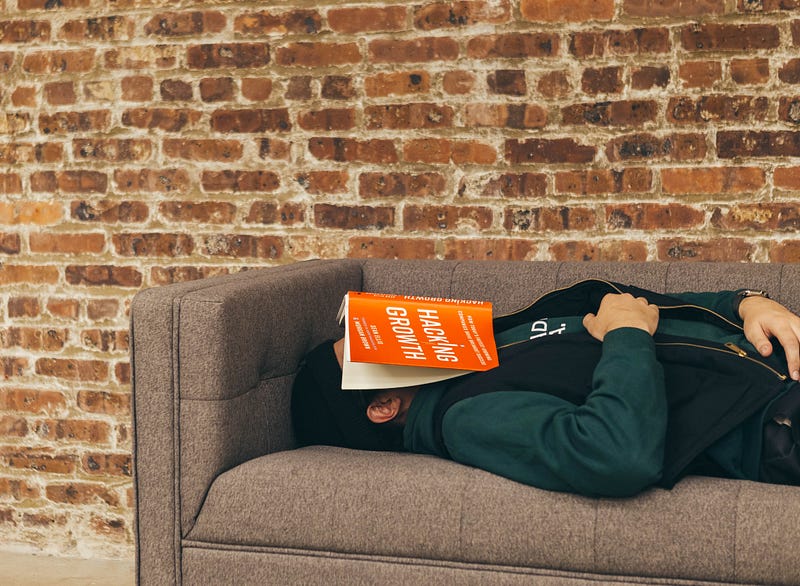
Do you lie there in bed, unable to fall asleep at night?
Is your mind whirling with your to-do list for the next day? Or is the plot of the movie you just watched keeping your mind wide awake?
If you’re having trouble falling asleep, the solution may be right in front of you and easy to do. It’s easy to get into bad habits when it comes to getting ready for bed, but you can do a few things to make sure that your sleep routine is relaxing and healthy.
Sleep is one of the most important things you can do for your health. It’s a time for your body to rest, repair, and recharge.
If you have trouble falling asleep or staying asleep at night, try these ten sleep tips:
# 1 — Create a comfortable sleep environment
A comfortable sleep environment is one of the most important factors for falling asleep quickly and staying asleep. I can attest to this being true for my own sleep hygiene. Dark and cool for the win!
Temperature
Keep the temperature between 60 and 68 degrees Fahrenheit. I kept the heat off in my bedroom, and the window cracked. The best sleep happens in a cooler room.
Light
Make sure your room is completely dark at night by closing curtains or blinds and turning off any electronics that emit light (such as phones and tablets). If you have an Alexa device with a screen, you can ask her to turn the screen off. Try wearing an eye mask if you have trouble sleeping without some light coming in through cracks around the door or window. Even small amounts of light can disrupt your circadian rhythm. Hello, that is me! I need total darkness.
A larger weighted sleep mask has been the only one that works for me. I need total darkness. The weight of the mask I use also helps with relaxation, lending to falling asleep faster. You can buy it here through my affiliate link (I will earn a commission if you purchase through the link).
# 2 — Set a sleep schedule that works for you
Set a sleep schedule that works for you. Getting regular sleep is important to your health and well-being, so try to stick to your sleep schedule even on the weekends. It is good practice to try and get up around the same time every day.
# 3 — Cut down on caffeine and alcohol in the evening
Caffeine and alcohol are two common culprits when it comes to not getting a good night’s sleep.
Caffeine can have a stimulating effect that keeps you awake at night. Nix the coffee after early afternoon if possible.
Alcohol may help you fall asleep faster but will disrupt your sleep cycle and make for an unrefreshing rest.
# 4 — Avoid eating too close to bedtime
An important rule of sleep hygiene is to avoid eating heavy meals roughly four hours before bed. If you’re hungry, eat a light snack. Avoid spicy foods (including coffee), chocolate, carbonated drinks, and alcohol. These can all disturb your sleep by keeping your digestive system working overtime.
# 5 — Avoid screens 30 minutes before bedtime
Using a laptop or tablet immediately before going to bed makes it harder for your brain and body to relax, making it harder for you to fall asleep quickly. Try turning off any screens 30 minutes before going to bed. I am going, to be honest with you. I watch Grey’s Anatomy before bed. It is part of my bedtime ritual, so I rely on blue light glasses after 7 PM, and they seem to make a positive difference. I would suggest not watching screens up until you try to fall asleep. I like to grab a book and read after screen time to get into a more relaxed mode.
#6 — Don’t exercise strenuously right before going to bed
Exercise raises body temperature and heart rate, which may prevent deep, restful REM (rapid eye movement) sleep. Exercise regularly during the day but generally not more than three hours before going to sleep at night to ensure good rest.
I am guilty of this one. I seem to do fine if I can get my evening workout in before 7:30. After that time, I risk not being able to sleep.
# 7 — Meditation or calming music
Meditation and calming music can also help put you into a more relaxed and calm state that may help you fall asleep faster and sleep deeper.
Here is a calming music and sounds Spotify playlist that I curated for sleep. Give it a try!

# 8 — Journal before bed
Get those stress thoughts and to-do lists off your mind and get them on paper so you can rest without thinking about everything you didn’t get done or still need to do. Schedule it for the next day or week and get it out of your head so you can rest easy.
# 9 — Breathwork
I have tried breathwork to get to sleep. Some nights I am out like a light. Other nights it takes a little bit longer to work through the breath successions before I am off to slumber. This practice is very calming as it relaxed the nervous system.
Dr. Andrew Weil created the “4–7–8” method, a straightforward but effective breathing technique that encourages serenity and relaxation. This can be effective for getting to sleep faster.
Here’s how to do this breathwork practice:
~Put the tip of your tongue behind your upper front teeth.
~Whoosh, out your breath entirely through your mouth.
~As you mentally count to four, close your mouth and take a deep breath.
~Hold your breath as you count to seven in your head.
~Open your mouth and exhale fully while mentally counting to eight and generating a “whoosh” noise.
~Continue this cycle for a minimum of three more times.
# 10 — Aromatherapy
Calming scents can help put you in a more relaxed state of mind, which can help you get to sleep and stay asleep.
Try an essential oil diffuser or linen spray. Calming scents include lavender, lemon, orange, and peppermint. Try a few scents and see what works for you.
If you can’t fall asleep after trying these sleep tips, try getting out of bed and doing something relaxing for a few minutes. You might read a book or magazine, listen to music or nature sounds, or do some breathing exercises as listed above. If you’re still having trouble sleeping after 15 minutes or so, try returning to bed and going back to sleep.
On those nights that I have too much energy to get to sleep right away, I will drink chamomile tea. Reading before bed is another sleep hack that has worked for me. I love to read, but it puts me to sleep at night!
Try one or two, or four of these methods and see if it helps.
Share in the comments any sleep hacks that have helped you!