
Recipe and Remedy
Health Benefits of Olive Oil
Nature’s Liquid Gold

Olive oil comes from olives, the small fruits that grow on olive trees. Olive trees love the warm, sunny weather in places like Italy, Greece, and Spain.
A long time ago, in ancient times, people in Greece and Rome were the first to make olive oil. They squeezed the olives and found the oil could be used for cooking food, making lights glow, and helping skin feel better. Olive oil became very important for their communities.
Today, Spain, Italy, Greece, and Portugal are big makers of olive oil. In fall and winter, workers carefully pick olives right off the trees by hand. The olives then go to special mills where they are gently squished to release the oil inside. The oil gets cleaned to remove any leftover olive bits.
There are different types of olive oil. The best kind is called “extra virgin”. It comes from freshly picked olives squished just once. Extra virgin oil tastes like olives with a yummy flavor. Regular olive oil goes through more processing.
Olive oil is popular because it benefits your heart and supplies food with an olive taste. Especially foods from Italy as well as areas around the Mediterranean Sea. A growing number of individuals worldwide appreciate food preparation with olive oil for its health and wellness advantages plus taste.
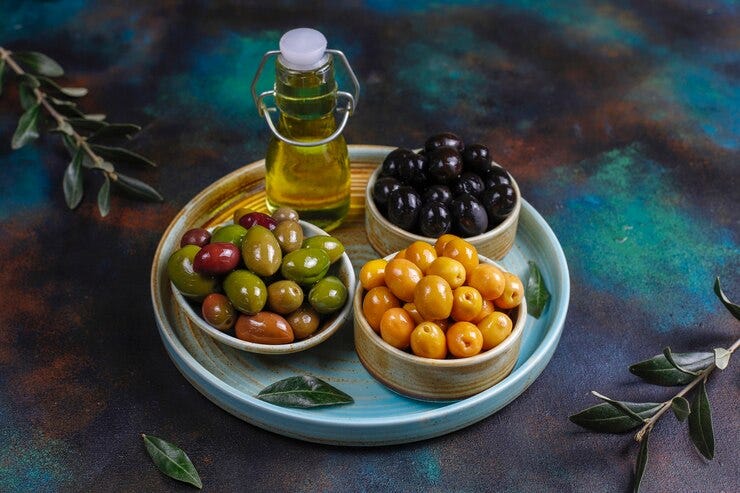
Black and Green Olives
Olives come in two main varieties, black and green, that are used globally in foods and drinks. Though similar in shape, the olives have diverse tastes depending on how they develop. The key differences between black and green olives are:
Color
Black olives are darker in color due to being more mature/ripe. Green olives are paler in color as they are picked earlier.
Flavor
Black olives have a richer, stronger flavor that is often described as sweet, meaty, or mushroom-like. Green olives have a more subtle, grassy flavor profile.
Processing
Green olives are often brined or cured in a solution like water, salt, and seasonings. This helps draw out their bitterness. Black olives fully ripen on the tree, so they don’t need brining to reduce sourness.
Texture
Black olives are generally softer and melt-in-your-mouth due to higher moisture content from ripening fully on the tree. Green olives tend to be slightly more firm in texture.
Uses
Black olives pair well with boldly flavored dishes due to their intense taste. Green olives complement lighter fare like tapenades due to mildness.
Nutrients
Black olives retain more antioxidant polyphenols from complete ripening. However, green olives contain similar levels of heart-healthy monounsaturated fats.
So black olives are riper, stronger flavored, and softer, while green olives are paler, grassier tasting, and slightly firmer due to earlier harvesting. Both provide health benefits.
Olive Oil Nutrition Facts and Benefits
Olive oil originates from olives and is among the healthiest and most balanced oils. It is fluid at the air temperature level. Olive oil is high in healthy and balanced fats called monounsaturated fats. Some primary points to understand about olive oil nourishment:
- Fat content — Olive oil is high in fat, but it’s the kind of fat our bodies need. Almost all the fat in olive oil comes from monounsaturated fats and very healthy polyphenols.
- Heart health — The healthy fats and antioxidants in olive oil can improve your cholesterol levels and reduce the risk of heart disease. Olive oil helps keep arteries clear.
- Cancer fighter — Studies show olive oil may protect against certain cancers like breast cancer because it contains antioxidants like oleocanthal. Antioxidants fight damage to cells caused by free radicals in the body.
- Anti-inflammatory — The compounds in olive oil help reduce inflammation in the body which is linked to diseases. This can relieve pain from conditions like arthritis.
- Brain health — Research suggests olive oil may help prevent Alzheimer’s disease and age-related mental decline. It is thought to improve cognitive functioning.
- Skin and hair — Applying olive oil to skin and hair provides moisturizing benefits and may reduce signs of aging like wrinkles. It penetrates hair well to hydrate and nourish
Olive oil is a wonderful choice for everyone when used in small amounts. It adds lots of yummy flavor to meals while still being easy on your health.
Using olive oil instead of butter or other oils when cooking means your whole family gets the benefits. Olive oil is richer in the good fats our bodies need.
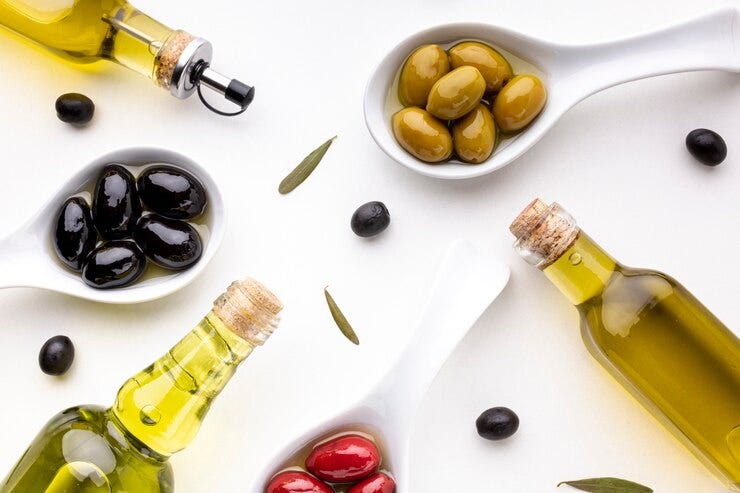
Olive Oil Benefits the Skin
Olive oil has many benefits when applied topically to the skin. As a natural emollient, it hydrates and protects skin from damage. Olive oil is packed with antioxidants that keep skin looking youthful as well as treat many common skin concerns.
Here are some key benefits of olive oil for the skin:
- Moisturizes skin — Olive oil is an effective emollient that hydrates the skin. It has compounds that help retain moisture. This makes skin soft, and supple and reduces dryness.
- Slows aging — The antioxidants in olive oil like oleuropein and hydroxytyrosol fight free radicals that damage skin cells and cause signs of aging over time like fine lines and wrinkles.
- Reduces inflammation — Inflammation in the skin can lead to conditions like acne, eczema, and psoriasis. Olive oil’s anti-inflammatory properties soothe irritation and redness.
- Improves elasticity — Olive oil nourishes skin with fatty acids to keep collagen levels up. Collagen gives skin elasticity to prevent sagging and leave it looking plump and youthful.
- Clears skin — Olive oil’s antibacterial effects and ability to unclog pores help treat acne and blemishes and prevent new breakouts. It draws out impurities from pores.
- Heals wounds faster — Applying olive oil to cuts, burns or abrasions protects the wounded area from germs and promotes healing. It forms a protective layer.
- Smooth hair — Olive oil hydrates hair to keep it shiny, silky, and manageable. Massaging a few drops into wet hair or ends before heat styling seals in moisture.
Using olive oil as a natural moisturizer, cleanser or mask provides multiple skin benefits. Choose a high-quality version for the best results.

Extra Virgin Olive Oil
Extra virgin olive oil comes from the first squeezing of fresh olives. It has the best flavor and most nutrients of all olive oils.
The taste comes from the type of olives used and where they grew. Extra virgin olive oil has a fresh, fruity taste. It is great for salads, dips, and adding to food without cooking. You can also use it for light cooking.
To be called extra virgin, the olives cannot be heated or have anything added when making the oil. This keeps all the natural goodness inside. It has vitamins and other healthy things that are good for you.
The color can be green, yellow, or anywhere in between. Darker green might mean it has more of the good stuff inside. Only oil made safely at low temperatures without changing it can be called extra virgin.
Look for words like “cold pressed” or names where the olives grew to find the best quality. Store it in a cool dark place, like the pantry or cupboard, and keep the cap on tight. This helps it last around 10–12 months before it starts to not taste as good.
In short, extra virgin olive oil stays closest to the original olives. It is tasty, nutritious, and great to use in food to boost your health.
Some mostly asked questions.
Is olive oil good for your hair?
Yes, olive oil moisturizes and nourishes hair, reducing frizz and adding shine. It can also help with dandruff and hair loss.
Is olive oil good for your skin?
Yes, olive oil hydrates skin and contains antioxidants that fight signs of aging. It reduces inflammation and moisturizes to improve skin health.
What makes olive oil extra virgin?
Extra virgin olive oil is the highest quality, obtained from first cold-pressing, and contains maximum nutrients and polyphenols with a fruity flavor.
Olive oil burning point?
Extra virgin olive oil has a lower burning point than regular olive oil due to higher acidity and smoke around 165°C/320°F. Choose oils with higher points for recipes involving high heat.


