Health Alert: Mixing Tylenol and Alcohol Can Be Deadly
I always appreciate your feedback. Let me know your thoughts in the comments and give a few claps.
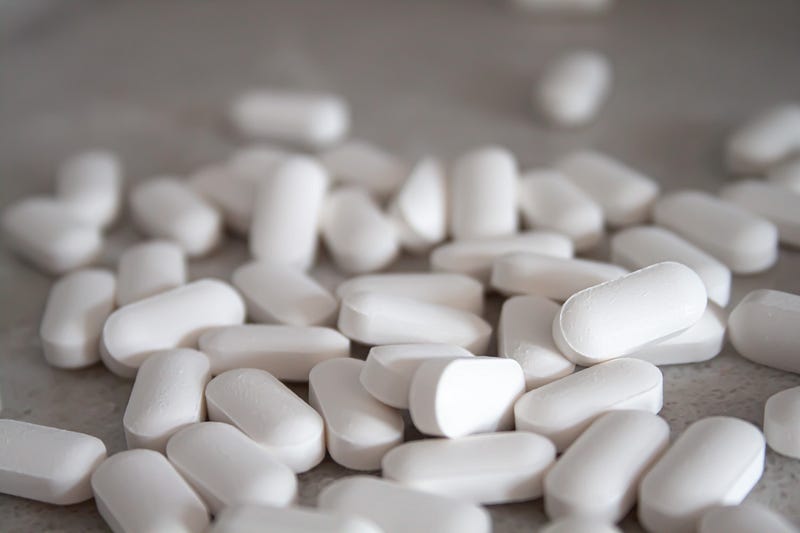
The medication acetaminophen, found in both over the counter and prescription pain relief drugs such as Tylenol, can be a double-edged sword and it’s ingestion should be governed by a high degree of caution, especially when consuming alcoholic beverages.
There are minimal health risks associated with taking acetaminophen products, such as Tylenol, if you take them in accordance with dosage recommendations, which is generally three hundred and twenty five milligrams (325 mg.)
Be Careful With Alcohol
However, ingesting acetaminophen medications in conjunction with alcoholic beverages may cause or exacerbate symptoms related to gastrointestinal irritation or acetaminophen toxicity which could result in acute liver failure, ALF, coma and death.

It has long been known in the scientific and medial community that long term alcohol abuse can lead to many health problems, many of which are directly related to liver function.
When alcoholic beverages are consumed in combination with Tylenol or other acetaminophen medications, the enzyme CYP2E1 can more rapidly converted to dangerous, toxic chemicals that contribute to liver cell damage, which results in reduced liver function.
If you consume alcoholic beverages on a regular basis you would be well advised to reduce or eliminate their use of Tylenol and acetaminophen containing medications altogether.
Serious Health Concerns
Also, if you regularly take over the counter acetaminophen medications, you should keep their doctor informed as to their intake.
Those who consume alcoholic beverages and take acetaminophen containing products, such as Tylenol, are at greater risk for medical problems related to liver function such as acute liver failure.
Those that consume more that two to three alcoholic beverages per day should avoid consuming excessive quantities of acetaminophen, so as to reduce the risk of the above stated medical problems.
Of course, completely eliminating or significantly reducing the amount of alcohol that is regularly consumed may be an even better way to prevent liver damage, especially if pain relief medications that contain acetaminophen, such as Tylenol, are taken with any kind of regularity.

Hangover Remedy?
While it may be a common practice for drinkers to ingest over the counter pain relief medications such as Tylenol before, during or after a bout of heavy drinking to avoid or lessen a hang over, this practice can be very dangerous as the metabolism of alcohol can hasten and worsen the liver damaging effects of acetaminophen usages.
The liver damage that is associated with long term alcohol abuse in combination with that of excessive, regular use of acetaminophen products can be accelerated and can lead to acute liver failure, coma or death.
Some people have made the argument that there is no connection between alcohol consumption and ingestion of acetaminophen medications, such as Tylenol, as they pertain to accelerated liver damage and reduced liver function.

However, numerous pieces of medical literature and scientific studies support the fact that the combined consumption of alcoholic beverages and acetaminophen products does, in fact, effect liver health and function.
I always offer the standard recommendation to consult with a physician prior to beginning on long term use of any medication, even of the over the counter varieties, and to limit the quantity and frequency of alcoholic beverage consumption.
Related Health Warning
Please let me know your thoughts in the comments. Thanks for reading!


