
Healing Properties of 12 Common Herbs
The Darling Dozen Do More Than Add Flavor!
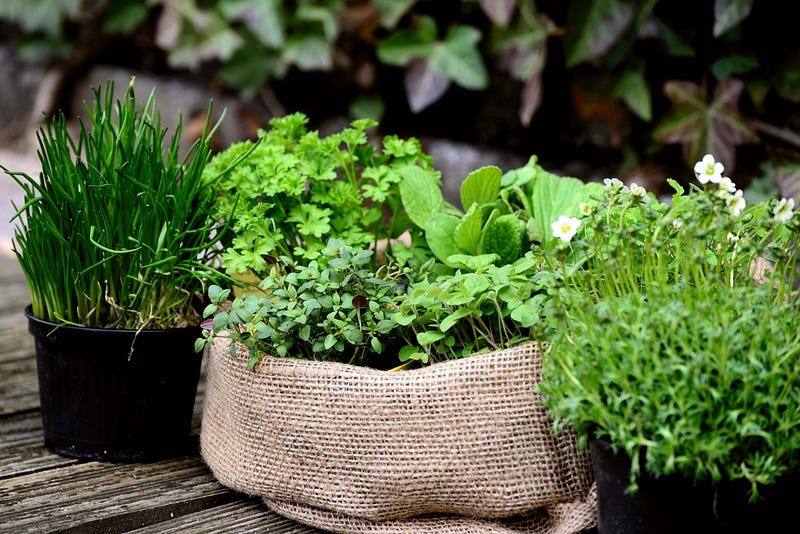
Until man duplicates a blade of grass, nature can laugh at his so-called scientific knowledge. Remedies from chemicals will never stand in favour compared with the products of nature, the living cell of the plant, the final result of the rays of the sun, the mother of all life.— Thomas Alva Edison
What Was Old Is New Again
When was the last time you read the ingredients label on a package of food? More often than not, it seems that most of the words are unknown and unpronounceable. How sad that in the 21st century, the foods we purchase rely less on natural ingredients and more on chemicals. Convenience foods may streamline meal preparation, but what are they doing for and to our family members?
In her book Herbal Kitchen, Kami McBride says that “we are experiencing the phenomenon of being overfed but undernourished.”
Look through a cookbook from long ago. Within those pages, you will find old-as-time pairings of foods with herbs and spices — sage with turkey, horseradish with roast beef, and mint with lamb are just a few of the examples. These combinations were used not simply because they tasted good together, but because home cooks knew that adding herbs and spices to family meals provided health and healing.
Long before medical science produced chemotherapy drugs, employed radiation therapies, and developed a mapping of the human genome, some physicians practiced a more natural, holistic approach to curatives. With the advent of “modern medicine,” many of these herbal remedies came to be viewed with skepticism, but health professionals are now taking a second look. Unlike lab-manufactured preservatives, herbs and spices contain vitamins and minerals. Perhaps some of the ancient remedies aren’t so far-fetched after all. Let’s examine some of the most common herbs and spices (most of them are probably in your pantry right now), and see if there is any truth to the age-old tales.
Glossary
- Antibacterial — destroys or inhibits the growth of bacteria
- Antifungal — inhibits or treats fungal infections
- Anti-inflammatory — a substance that reduces inflammation (a response of body tissues to injury or irritation; characterized by pain, swelling, redness, and heat)
- Antimicrobial — destroys or inhibits the growth of microorganisms
- Aromatherapy — the use of fragrances to affect or alter a person’s mood or behavior
- Chemo-protective — an agent that protects healthy tissue from the toxic effects of anticancer drugs
- Phytochemical — a chemical compound found in plants that is considered beneficial to human health
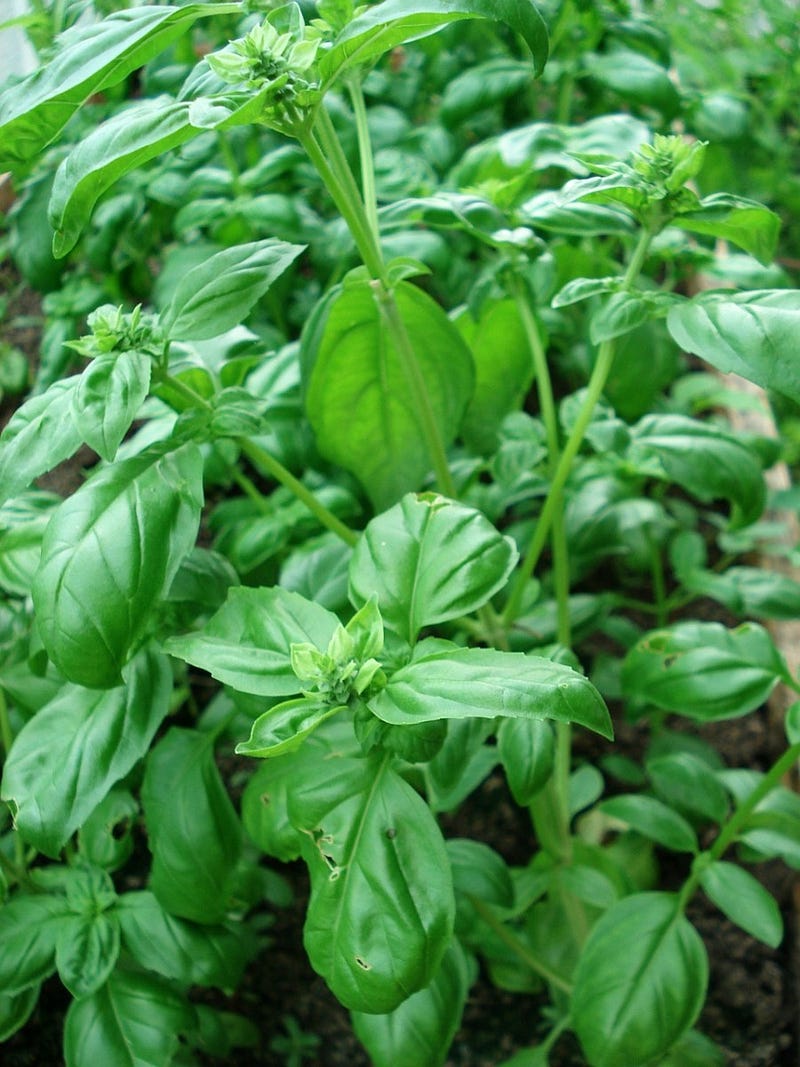
1. Basil
Some historians believe that basil originated in Africa. More than 4,000 years ago it was used by the Egyptians for embalming. And basil is referenced in some of the 700 herbal medicines listed in the Ebers Papyrus (c. 1550 B.C.). Other historians believe that basil originated in India. This close cousin of mint is indigenous to the lower hills of Punjab and Himachal Pradesh (south of Pakistan) but cultivated throughout all of India. Named Tulsi (holy basil), this fragrant herb is cherished in India for its healing properties. For those of the Hindu faith, Tulsi is an essential part of the worship of Vishnu.
Several recent studies have presented results that basil may be helpful in reducing swelling and the inflammation of arthritis. Lab studies have also demonstrated that basil has antibacterial properties — it resists the growth of Listeria and Staphylococcus.
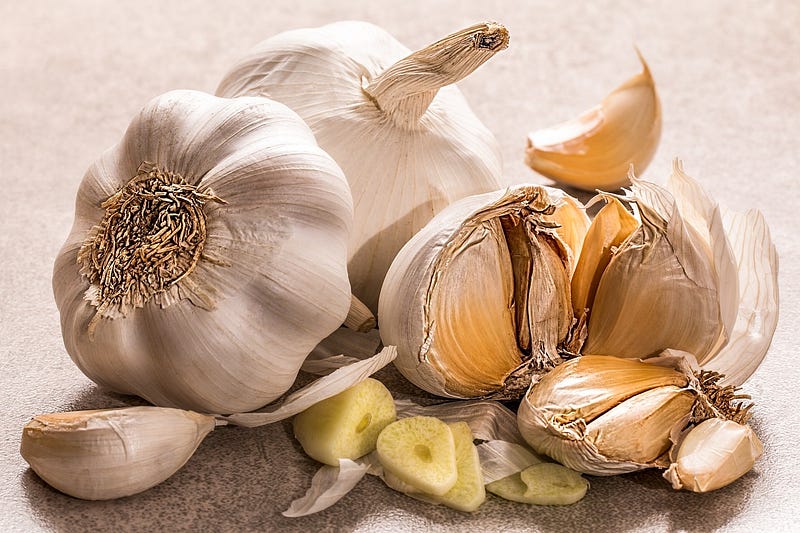
2. Garlic
As soon as you slice into the bulb of this plant your nose tells you that you are dealing with a potent herb. There have been many clinical studies of the use of garlic in cardiovascular disease; it is useful in reducing high blood pressure and lowering the risk of stroke. Garlic has also been shown to be effective in lowering LDL cholesterol and triglycerides. The National Cancer Institute has identified garlic and other members of the allium family as having chemo-protective phytochemicals.
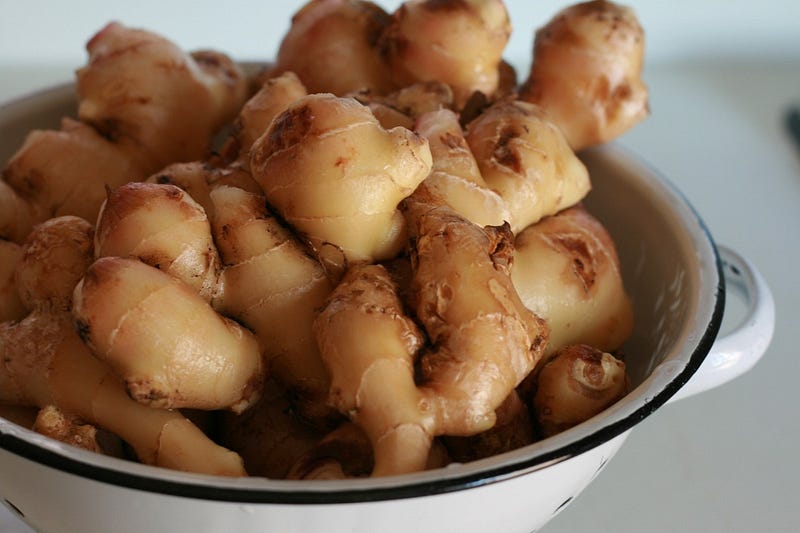
3. Ginger
I could probably write an entire article on the healing properties of ginger. Ginger is a beautiful fragrant flowering plant, a luxurious tuberous perennial that spreads her fleshy roots underground to expand and propagate. Her story begins as many of our tales about treasured herbs and spices — deep within the heart of India. It is there that anthropologists have found remnants, tiny fragments of ginger root used 5,000 years ago. In the beginning, long before the written word, long before Man began to record his own history, there was ginger. We know that ginger also grew in China; wise men in traditional Chinese and Ayurvedic Indian systems viewed it as a healing gift from God.
Ginger tea is a common remedy for an upset stomach whether the source is seasickness, simple nausea, or a response to chemotherapy. Feel a cold coming on? Ginger and honey can help alleviate the mucus. One more thing — ginger is a proven anti-inflammatory. Aches and pains and even PMS symptoms can be lessened with ginger.
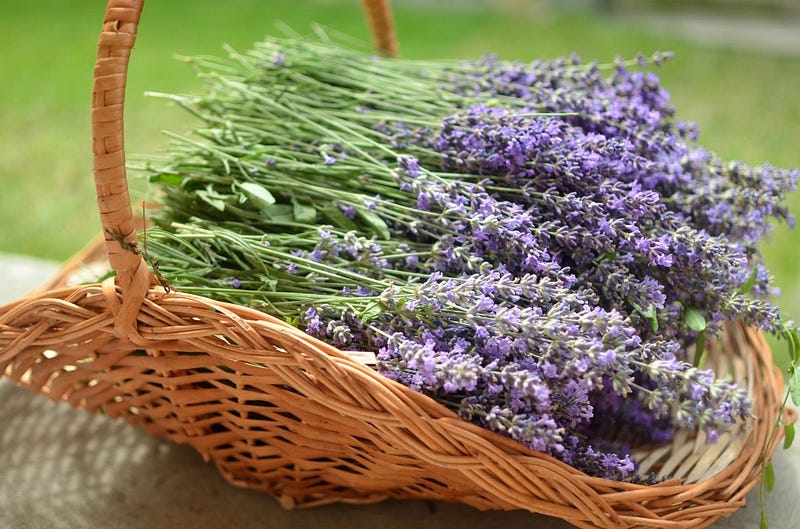
4. Lavender
Simply smelling this herb is enough to impart a sense of calm and relaxation which is why it is used so often in massage therapy. But lavender also contains volatile oils with antimicrobial, antifungal, and antioxidant properties so it not only calms one’s spirit it can also help heal external problems as well. Lavender helps relieve the pain of cuts and bruises; it’s helpful in healing chapped lips, treating acne flair-ups, relieving itchy skin, controlling dandruff, and combatting cold sores.
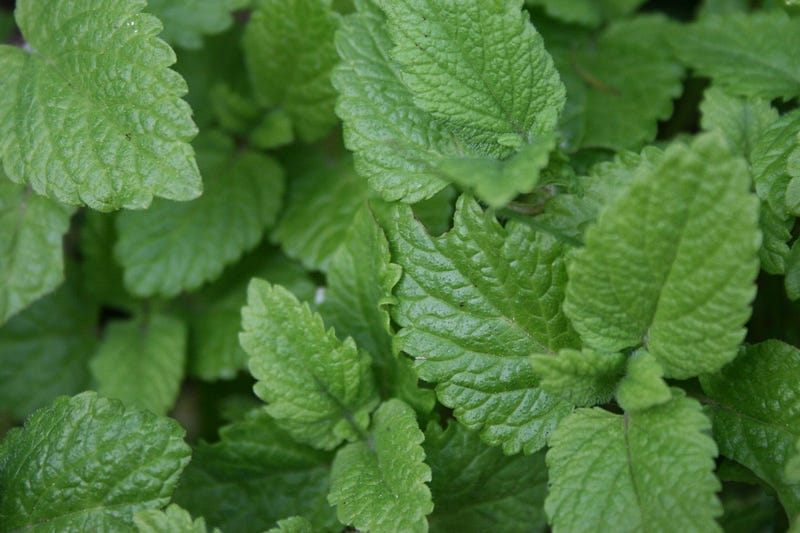
5. Lemon Balm
This herb is a member of the mint family and as such it has the endurance of cast iron. It will grow just about anywhere (which is not always a good thing; it can become downright invasive). This leafy herb has a distinct lemon taste and so lends itself well to cooking. It works as a topical treatment for easing the pain of wounds and the sting of insect bites, as an aromatherapy aid in relieving anxiety and insomnia, and as a curative in reducing flatulence and upset stomachs. Chop it up and toss it in your salad, and serve as a tea on ice or hot and comforting; heck, you can even place it in your bathwater and luxuriate in a steamy, lemony soak.
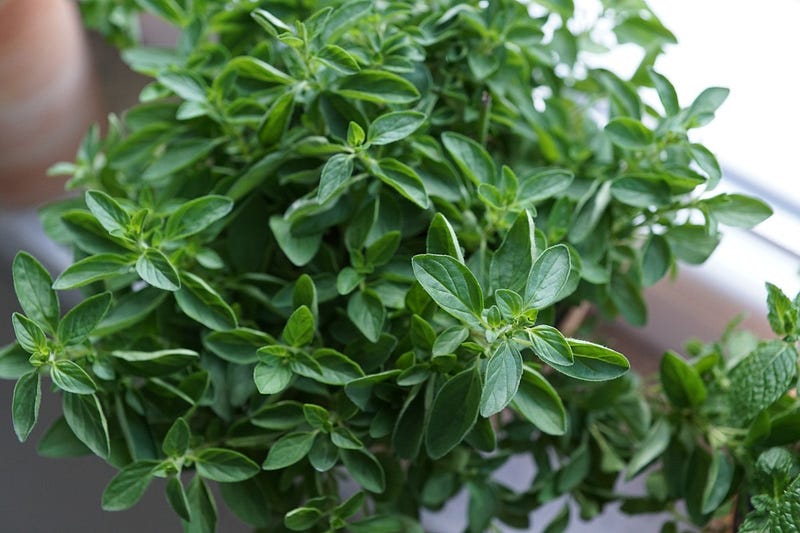
6. Oregano
Like the fragrances of rosemary and garlic, the scent of oregano, with its hint of lemon and black pepper, is deeply evocative of the Mediterranean. In fact, the name oregano comes from the Greek “oros” meaning mountain, and “ganos” meaning joy, which literally translates to “joy of the mountains”. From Greece to the shores of Italy, to France, and even to the northern reaches of England, oregano carpets the landscape.
This herb is traditionally used to treat respiratory issues such as stuffy noses and coughs and is an expectorant. In folk medicine, it was also used to treat menstrual cramping and it has very potent antimicrobial properties.
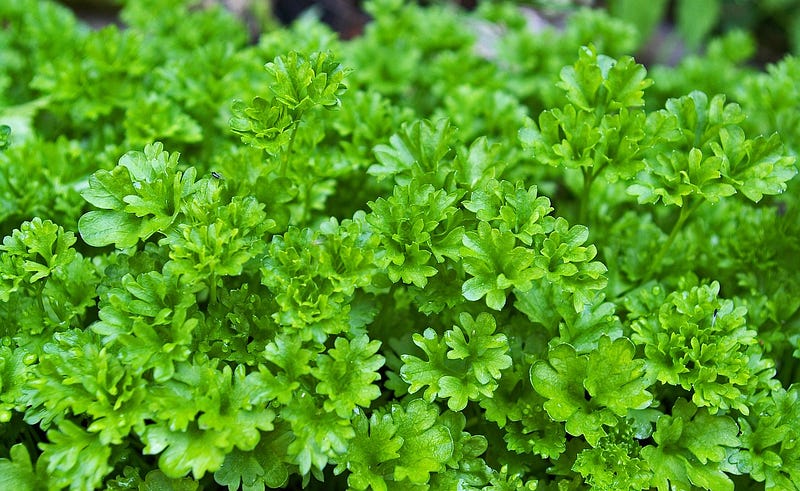
7. Parsley
Once upon a time, parsley was nothing more than a pretty sprig of decorative greenery on your plate. Some of us knew that it was a good cover-up for bad breath, but it does much more than that. Parsley contains a number of volatile oils which have been proven useful in the treatment of urinary tract infections, and kidney and bladder stones.
So which type of parsley is better — curly or flat leaf? In truth, they are equal in their healing properties, but I find that the flat-leaf variety has a stronger flavor. Parsley is nutrient-dense, which means that it is chock full of vitamins and minerals. You can put it in just about anything (well, other than dessert) and it won’t disappoint. It makes a great tea if you are plagued with hay fever.
8. Peppermint
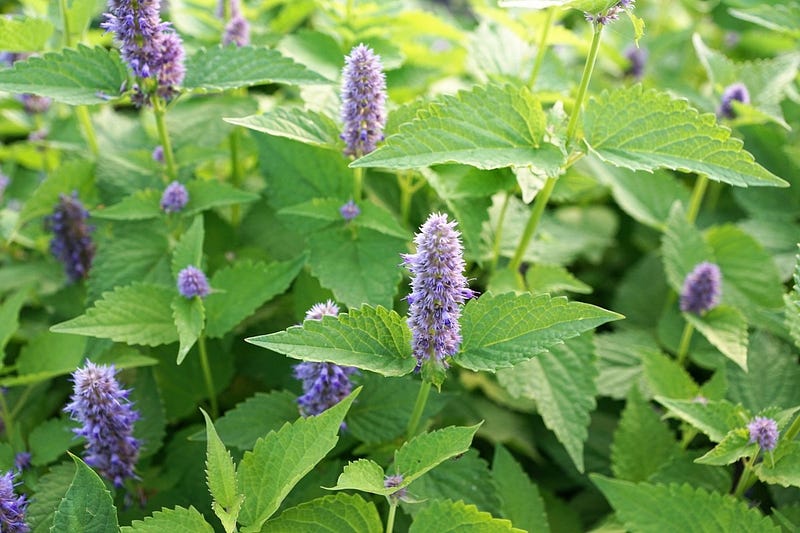
According to Greek mythology, mint originated from an ugly (is there any other kind?) lovers triangle. Pluto seduced the nymph Minthe. His wife (Persephone) was not too keen on his dalliance, so she crushed Minthe to the ground. From the ruined body arose an herb we know today as mint.
And, isn’t that exactly what we do today to fully enjoy peppermint? Take a mint leaf between your thumb and forefinger and rub gently — you will notice a subtle minty scent. But, take that same leaf (actually lets toss in a few more while we’re at it) and mince with a knife, pulverize in your food processor, or grind with mortar and pestle and you will be rewarded with an exhilarating rush of cool, frosty aroma that fills the entire room in an instant. This is the glory of mint. The interaction of plants and people is a strange and amazing thing, isn’t it? When you think of chilies, you immediately think of being surrounded by warmth — in your environment and on your tongue. The capsaicin in chilies stimulates heat sensors that not only tantalize the mouth but also can provide soothing warmth to tired and aching muscles.
Think of peppermint as the opposite side of the spectrum. Peppermint contains menthol, a chemical substance that triggers the cold-sensitive receptors in the skin. It gives us a cooling sensation when inhaled, eaten, or applied to the skin. If you have indigestion or gas, sipping tea made of this medicinal herb might provide relief. The aroma of peppermint has also been shown to help soothe headaches.
9. Rosemary
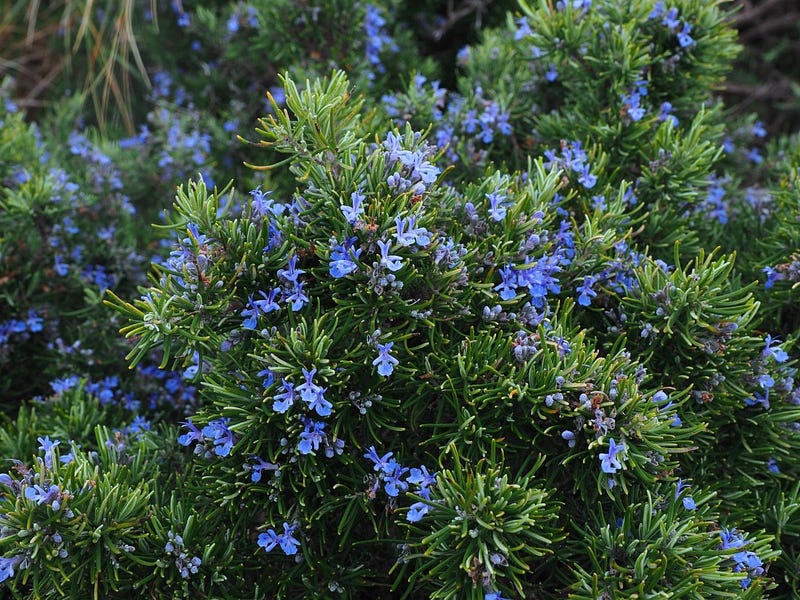
It has been said that medicinal herbs like rosemary help memory and concentration. Even Shakespeare wrote of it. (“There’s rosemary, that’s for remembrance. Pray you, love, remember.” Ophelia in Hamlet, Act 4, Scene 5). The scent is invigorating, but that’s just the start. The volatile oils in rosemary are effective in slowing the growth of several strains of bacteria. Maybe that is why rosemary is often included in meat marinades.
10. Sage
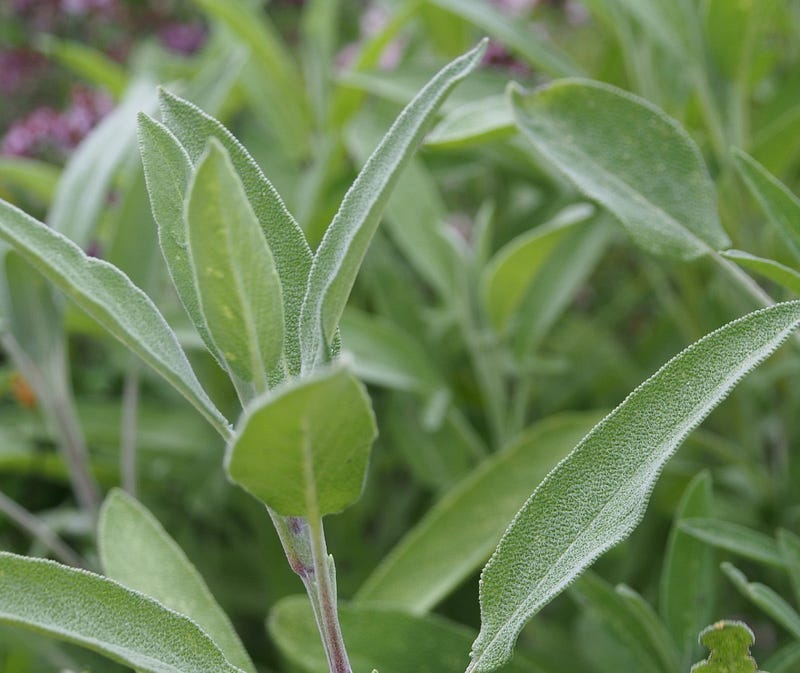
Sage is native to the countries that touch the Mediterranean Sea. This beautiful gray-green shrub grows from 8 inches to 24 inches in height, with spikes of purple, pink, white, or blue flowers. The leaves are downy and oval-shaped. It was not used as a seasoning until the 17th century but its therapeutic properties have been known for thousands of years. In fact, its botanical name, Salvia, is derived from the Latin salvare, which means to heal. Throughout the millennia sage has been used in countless concoctions, such as a cure for snakebites, a potion to increase fertility, and a balm to serve as a local anesthetic. Its importance even caught the attention of Charlemagne, who recommended that it be cultivated. Sage was also one of the ingredients in Four Thieves Vinegar — a blend of spices thought capable of warding off the plague.
We can probably lay to rest the belief that sage is a curative for snakebites, a remedy for infertility, or can offer protection against the plague, but it does help provide relief for mouth and throat inflammations.
11. Thyme
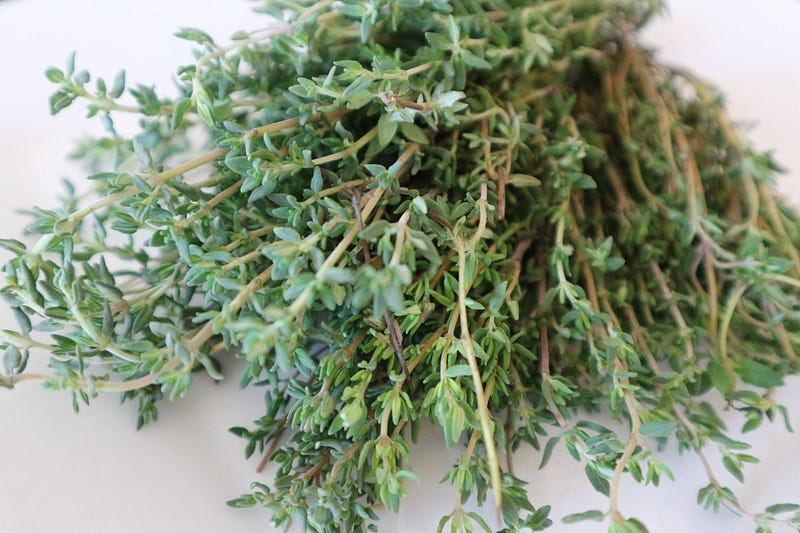
The active principle in thyme, thymol, is a strong antiseptic and expectorant. If you suffer from coughs or congestion, thyme oil is recommended. A few drops in a steam inhaler or rubbed on the chest as night will provide relief.
Take a trip back in history — do you remember hearing of the Benedictine monks? They formulated a liqueur of the same name. The actual recipe is a trade secret, but super-tasters have identified the primary ingredients: angelica, juniper, myrrh, mace, lemon balm, coriander, clove, and thyme.
If you enjoyed a bit too much dinner, are feeling bloated and stuffy (or perhaps a little gassy) enjoy an after-dinner tea of thyme and honey.
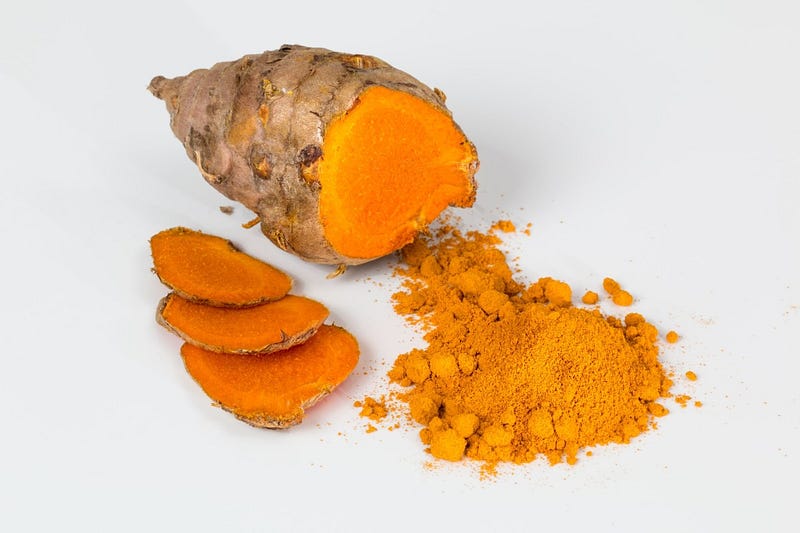
12. Turmeric
You probably know turmeric as the poor man’s substitute for saffron. Although it doesn’t possess the flavor of saffron, it still delivers the same color punch. This root, which is a member of the ginger family, is packed with antioxidants (vitamins C and E) and bolsters the immune system. According to author Kami McBride, “turmeric claims a long history of being taken to reduce rheumatic pain. It cools your joints and has been clinically proven to reduce the inflammation that contributes to arthritis.”
Easy Reference Chart of Herb Properties
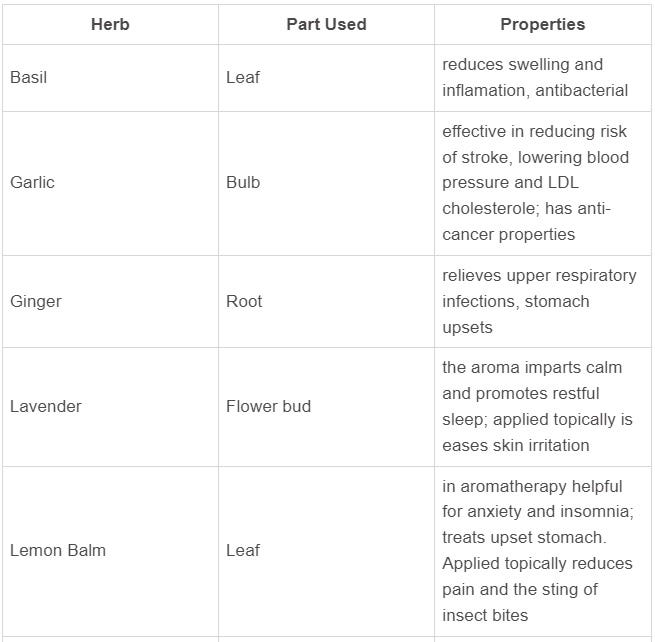
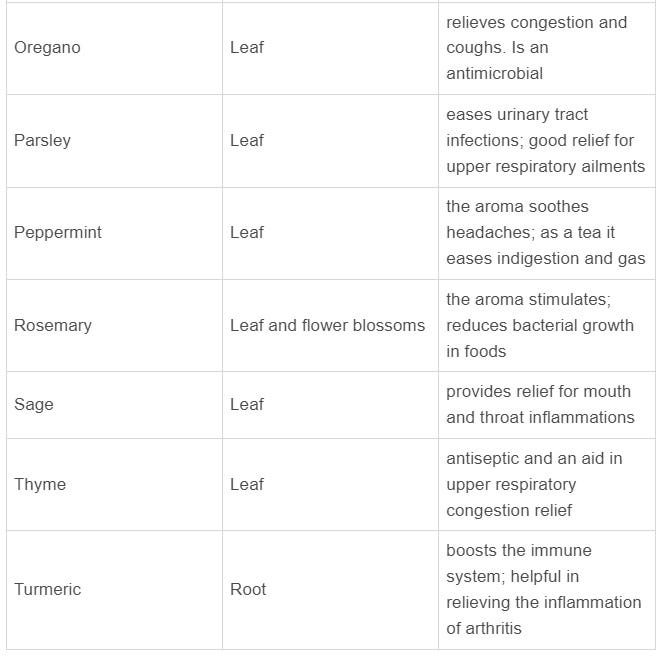
What is the Best Way to Include Herbs in Your Diet?
Visit the internet, do a Google search, and you will find countless recipes for herbal cordials, drinks, honey, nectars, oils, salts, smoothies, sprinkles, teas, and water. Although they sound (and no doubt are) amazing, they can be time-consuming and actually utilize very little actual herbs in the final product.
My favorite (and easiest) way of using fresh herbs is in pesto. Before you exit and go on to the next article, allow me to explain a few things you might not know:
- Pesto is not always made with basil
- Pesto is not just a topping for pasta
Pesto can be made with just about any fresh herb. Some are more pungent than others and so might need to be “diluted” with other produce (that you already have lingering in your crisper) such as spinach, arugula, or tomatoes.
Sure, it’s great on pasta, but you can also stir it into soup, smear it on crostini, add it to cooked rice, or use it to flavor cooked veggies. Truth be told, I often have a serving of non-fat cottage cheese for breakfast as part of my daily routine. I often put a spoonful of pesto on top (I’ve always been more of a savory rather than sweet sort of gal). So, I’m getting some calcium, and a boost of healthy herbs too.
Equipment and Ingredients You Will Need:
- food processor
- rubber scraper
- clean (sterilized) jar with a lid
- olive oil
- garlic
- fresh leafy greens
- fresh herbs
- cheese
- nuts
- salt
- tart or briny ingredients
Basic Recipe
- 3/4 cup olive oil
- 2 cloves garlic
- 2 1/2 cups fresh greens (see notes for suggestions)
- fresh herbs (see notes for suggestions and quantities)
- 1/4 cup cheese (see notes for suggestions)
- 1/4 cup nuts (see notes for suggestions)
- tart/briny ingredient (see notes for suggestions and quantities)
Instructions
- Place the olive oil, garlic, and greens in the bowl of a food processor and pulse until almost smooth.
- Add herbs, cheese, nuts, and briny/salty ingredient of your choice and process until finely minced and blended.
NOTES:
- Leafy greens — spinach or arugula are fantastic and this is where you can make use of greens that are slightly past their prime for a salad. However, please don’t use greens that are spoiled and slimy.
- Fresh basil, oregano, parsley — can be used with wild abandon
- Fresh rosemary, sage, lemon balm, peppermint — no more than 1/4 cup
- Fresh lavender — no more than 2 tablespoons
- Cheeses — Parmesan, Romano, asiago
- Nuts — pine nuts, almonds, walnuts, cashews
- Briny — Kalamata olives, capers — use up to 1/4 cup
- Tart — lemon juice, balsamic vinegar — use up to 1 tablespoon
A Few Words of Caution
I am not a dietician, nor am I a nutritional specialist, and I am certainly not a physician. I am nothing more than a home cook who appreciates the value of natural ingredients and home-made, home-cooked meals.
Before you opt to add herbs and spices to your diet, please talk with your physician. Although they are natural ingredients, some plants are contraindicated for those who use certain medicines. Talk openly with your doctor first.
Sources:
- Readers’ Digest
- Nourished Kitchen
- Herb Affair
- American Journal of Clinical Nutrition
- “Herbal Kitchen” by Kami McBride
If you wish to read my future writings, subscribe to my email list and you’ll be notified every time I publish a new story.
Copyright©2023  Linda Lum (Facebook, Hub Pages, Pinterest) is a retired
budget analyst for the Federal government, wife, mother, author, and
 lover of anything and everything to do with food history.
Books: "Past and Present," "How Corned Beef Became Irish,” "Ask Carb Diva"