
He Killed 30 People Because Girls Wouldn’t Have Sex with Him
The story of Japan’s biggest gun massacre by an Incel.
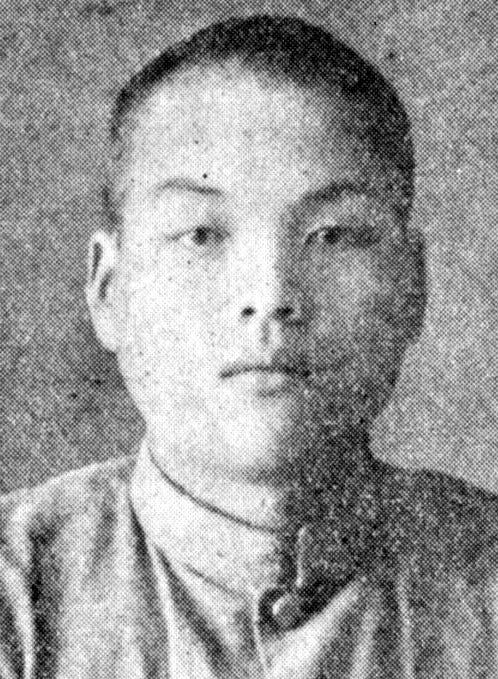
A 21-year-old man, living at home with his grandmother is diagnosed with tuberculosis. At the time there is no cure or treatment so eventually, the illness will kill him. Because of his illness, he doesn’t have a girlfriend and single women in his town don’t want to be with him. Lonely and sad, he is pondering his existence and wondering how much longer he will live.
In this situation, what would you do? Would you visit a variety of doctors and see if there were any new drugs being tested? Would you spend time with your friends and family and try to enjoy what time you had left? Maybe you would take a trip and see the world? Unfortunately, Mutsuo Toi did something completely different.
Mutsuo decided to cut the electricity in his small town and then take an ax and cut off his grandmother’s head. Then he stalked in the dark from house to house with his ax, a Japanese sword called a katana, and a Browning shotgun to murder people in his town.
This is the story of Mutsuo Toi, living in a small town near Tsuyama Japan in 1938. He killed 30 people and injured 3 while on his 90-minute spree around his town. His crime is still Japan’s biggest gun massacre by a lone shooter and Matsuo is likely one of the first hikikomori (shut-in) killers recorded in Japanese history. His motive of revenge, because girls wouldn’t sleep with him, is also why he could be considered a pioneer in the Incel (Involuntary Celibate) community.
The Crime
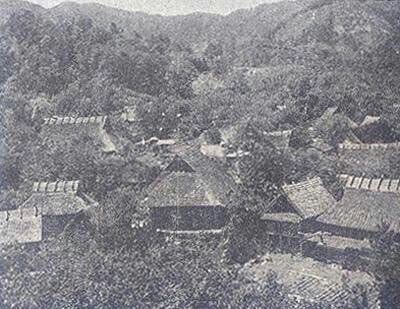
In the prefecture of Okayama in western Japan in a small town called Tsuyama on May 20, 1938, in the evening, the electricity was cut to the village of less than a hundred people. Mutsuo Toi, the 21-year-old man who lived in this village with his grandmother decided to carry out his crime that he had been planning but had failed the first time around.
A week before, Mutsuo had told his plans to some neighbors and acquaintances. They had informed police, who then visited Mutsuo and confiscated his weapons. Unfortunately, Mutsuo had more weapons the police hadn’t seized and he also had been able to purchase more. Despite the failed attempt the first time, on May 20th he would fulfill his planned action.
He first decided to murder his 76-year-old grandmother. He took his ax and cut off her head. Later on, a letter he wrote that was found explained that he decided to kill his grandmother because he didn’t want her to face the stigma and pain that would come from being a “murderer’s grandmother.”
After killing his grandmother at around 1:30 am, he strapped two electrical torches to his head so he could make his way through the town from house to house. He spent 90 minutes walking around his town in the dark with his ax, shotgun, and katana. He targeted as many of his neighbors and people of his village he could that he felt had wronged him. He would enter their homes and one by one, shoot them, stab them, or both.
During his rampage after killing his grandmother, he killed 27 people ages 5 to 86 who died instantly from their wounds. Another two members of the village died of their wounds later. Three people who had been injured survived the attack.
Finally, at dawn, Mutsuo Toi decided to take his own life bringing the count to 31 dead. He took his gun and shot himself in the chest. Several suicide notes were later found explaining why he killed almost half the people in his town and his struggles with illness and rejection from members of his village.
The Killer
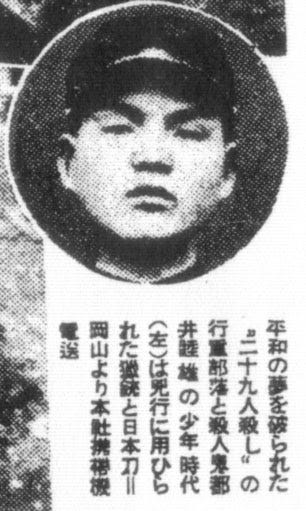
Mutsuo Toi was born on March 5, 1917, in Okayama Japan the second child of well-to-do parents. Sadly, both of Mutsuo’s parents had contracted tuberculosis and passed away when he was still very young. His grandmother took in Mutsuo and his sister and raised them.
Mutsuo’s childhood was pretty normal and he spent a lot of time with his sister and grandmother who he got along with. However, in 1934, his sister decided to get married and moved away. This began Mutsuo’s isolation from people and his descent into loneliness. He became what is now modernly known as hikikomori, which is Japanese for a recluse.
His lack of friends, male role models, and interest in school or hobbies, led him to the practice of yobai. This traditional aspect of Japanese culture once popular but no longer practiced involved young men who would break into girl’s bedrooms in their town. They would sneak in at night and ask for sexual intercourse with the female. After the sexual acts, the man would sneak back to his own home.
If one man repeatedly was welcome into the girl’s bed and they agreed to make it official, they would be married. There were many different rules and customs depending on the era and the part of Japan but most of the rituals required consent from the female. The female’s parents might know about the affair but didn’t acknowledge it.
Mutsuo began visiting a variety of girl’s homes and became deeply involved in yobai with a variety of partners. It seemed he also became engrossed in the act of sex and was obsessed with the story of Sada Abe, a geisha who in 1936 had strangled her lover and cut off his genitals as a keepsake.
His life took a turn for the worse though when he was diagnosed with tuberculosis, the same thing that killed both of his parents. Since there was still no cure or real treatment for the disease at the time, Mutsuo started realizing his illness would soon be fatal.
Along with the bad news of his illness, his yobai partners also stopped consenting to his visits after hearing of his diagnosis. In his suicide notes found later, Mutsuo felt that after the people of his town found out about his tuberculosis, he was treated differently and women rejected his advances.
With no close family or friends, now he had lost even his sexual gratification from women. Even the men of his town treated him poorly and reviled him because of his poor health. He was once again isolated and alone. But this time he was also angry and blamed his town for his problems.
Filled with anger and thoughts of revenge, Mutsuo concocted the plan to cut the power from his town and kill all the people who wronged him with his collection of guns and other weapons. In one of his suicide notes, he also wrote he should have killed some people he hadn’t been able to and that he killed some he didn’t want to.
The Victims
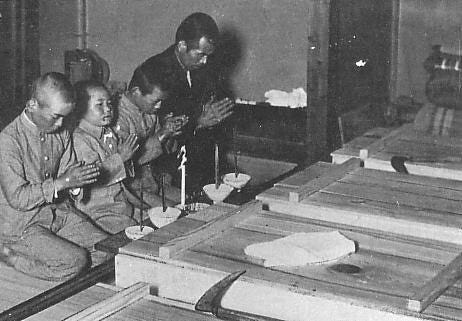
Unfortunately, much like many crimes not much is known about the victims of the crime except for Mutsuo’s grandmother. The victims ranged from children to seniors and both male and female. And it is also believed that most victims were chosen because of their connection to Mutsuo.
Whether it was because one of the members of the household was a woman who rejected Mutsuo, or a villager who mocked or insulted him because of his illness, Mutsuo tried to target everyone who he felt had slighted him.
Since half the town was killed in the spree, it later changed its name to help heal and remove the history of such a tragic event.
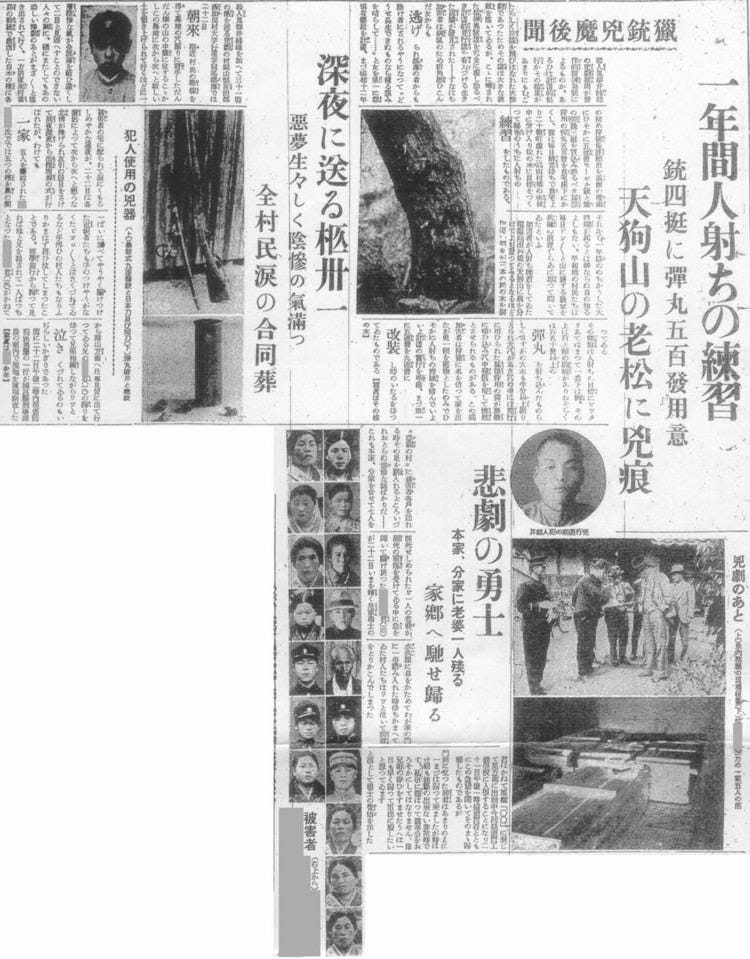
The people of Tsuyama may have mocked Mutsuo or belittled him and his illness but was it enough to warrant a death sentence? Also, many of the victims were still children or seniors so were they just collateral damage to Mutsuo’s plan to wipe out all those that he despised?
Since Mutsuo committed suicide we will never really know what he was feeling or the anger he possessed for his small town. But looking at history and seeing stories and lives like Mutsuo reminds us that we are still living in a society where people have similar thoughts.
The uprise of the Incel movement with men who feel they are being denied sex by women and feel society has forgotten them means that men with similar issues as Mutsuo still hold similar anger.
Tuberculosis might not be a death sentence and reason to be rejected by society but in its place, other problems have arisen. Mental illness, social media, gender relations, and racial tensions all bring with them stress on individuals.
The massacre at Tsuyama in Japan is a historic event because of the magnitude of lives lost and weapons used but it is also a present reminder that society and individuals need to work together to ensure tragedies like this one can be stopped.
If you would like to read more stories of true crime from Japan, here are some recommendations: