
Hazrat Ali biography of islaam.❤️❤️

Hazrat Ali ibn Abi Talib, also known as Ali, was born in the city of Mecca in the year 600 CE. He was a cousin and son-in-law of the Prophet Muhammad, as he married the Prophet’s daughter, Fatimah (may Allah be pleased with her). Ali belonged to the Hashemite clan of the Quraysh tribe, which was the same clan as the Prophet Muhammad.
From a young age, Ali was known for his intelligence, bravery, and strong character. He was one of the earliest converts to Islam and played a significant role in the early Islamic community. When the Prophet Muhammad received his first revelation, Ali was only about 10 years old but remained steadfast in his support.
Ali was the first person to accept Islam after Khadijah, the Prophet's wife. His unwavering devotion to Islam earned him the title of "The Lion of Allah." Throughout the early years of Islam, he faced persecution alongside the Prophet and other early Muslims.
In 622 CE, when the Prophet Muhammad and his followers migrated to Medina, Ali risked his life by sleeping in the Prophet's bed to divert an assassination plot, allowing the Prophet to escape unharmed. This act of selflessness demonstrated his loyalty and commitment to the Prophet and Islam.
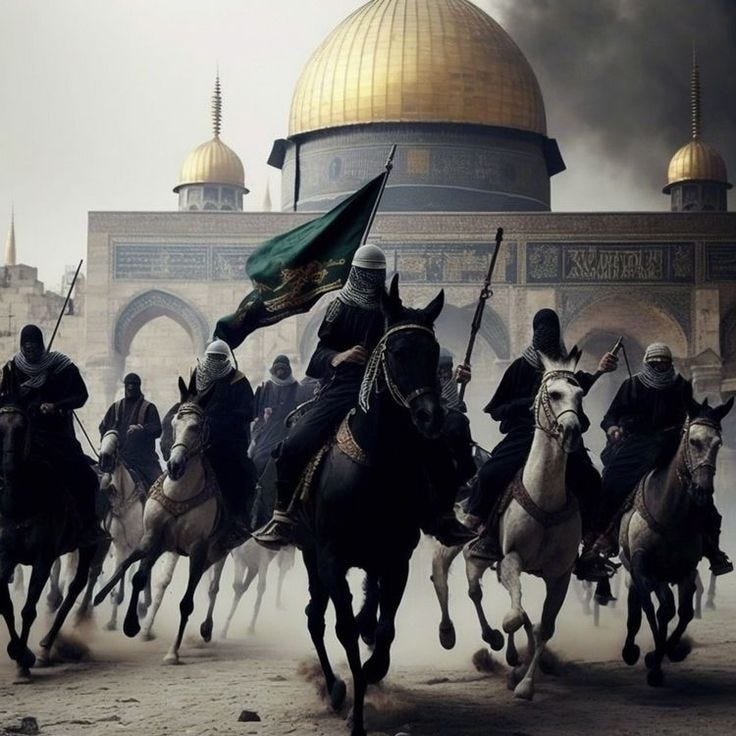
Ali ali ali ali ya ali
During the battles of Badr, Uhud, and Khandaq, Ali displayed exceptional bravery and combat skills. His role in these battles earned him the reputation of being a valiant warrior.
Ali's knowledge of Islam and his eloquence in explaining its teachings made him a respected scholar among the early Muslims. The Prophet Muhammad often praised Ali for his deep understanding of the Quran and Hadith.

After the passing of the Prophet Muhammad in 632 CE, Ali faced a turbulent period in Islamic history. He was initially passed over for the caliphate in favour of Abu Bakr, then Umar, and then Uthman. However, during the caliphate of Uthman, Ali was appointed as a mediator to address grievances among the Muslims.
After the assassination of Uthman in 656 CE, Ali became the fourth caliph, marking the beginning of his own caliphate. His rule was marked by attempts to restore justice and order, but it was marred by political turmoil, including the First Fitna (Muslim civil war) and the Battle of the Camel.
One of the most significant events during Ali's caliphate was the Battle of Siffin in 657 CE, where he faced off against Muawiya ibn Abi Sufyan, the governor of Syria. The battle ended inconclusively, and arbitration was attempted, which ultimately led to a split in the Muslim community.
Ali's caliphate was characterised by his commitment to social justice, implementing Islamic principles of equality, and upholding the rights of the oppressed. He was known for his famous statement: "People are slaves, and there is no master except Allah."
In 661 CE, while leading the morning prayer in the Great Mosque of Kufa, Ali was fatally wounded by Abd al-Rahman ibn Muljim, a member of a rival faction. Ali succumbed to his injuries on the 21st of Ramadan, 40 AH (661 CE).
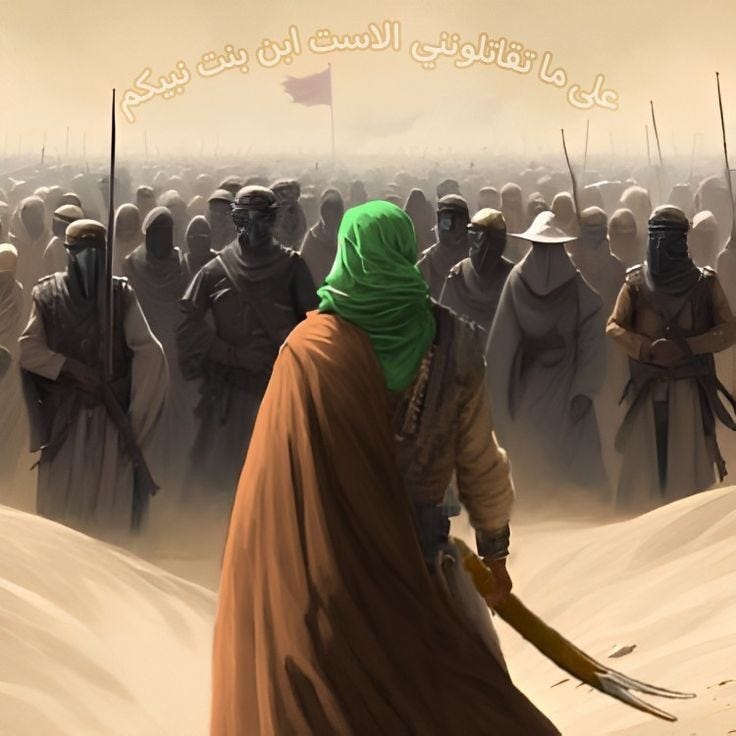
Ali’s legacy is celebrated by Muslims worldwide for his unwavering devotion to Islam, his courage, and his deep knowledge of the faith. He is particularly revered by the Muslim community, which considers him the rightful successor to the islaam hazrat ali. As the third Caliph of Islam, his teachings and principles continue to influence Islamic thought and ethics to this day.