
Hawthorn | A medicinal plant for the heart and stomach
Hawthorn is a medicinal plant that has never been forgotten
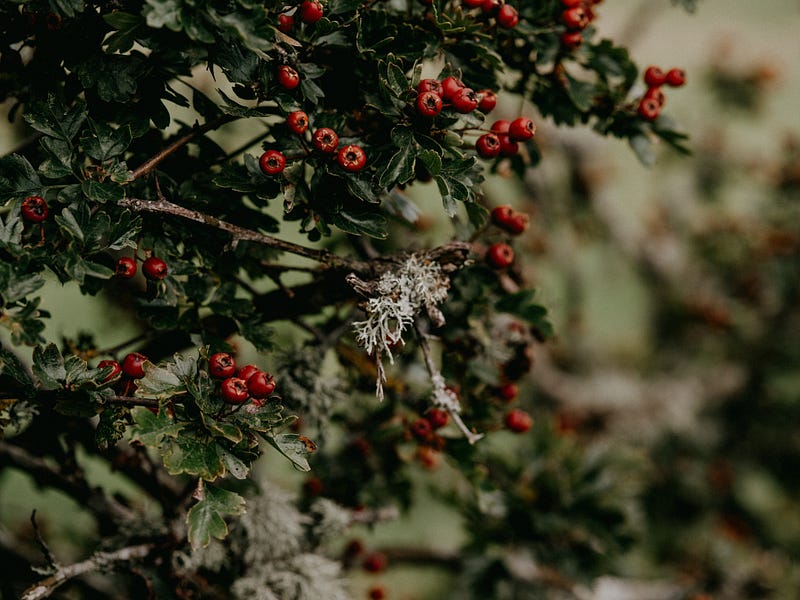
Hawthorn is a native plant that has been used as a medicinal herb for centuries. Its positive effect on the heart in particular has been confirmed many times over in human studies in recent decades. But hawthorn can also be used in the kitchen to make delicious things, such as juice, jelly or jam.
Hawthorn has long been considered a protective plant
Hawthorn (Crataegus) is a plant that has been said to have a protective effect on the heart for hundreds of years. Paracelsus, one of the most famous European physicians of the 16th century, used the juice of hawthorn berries as a heart remedy. Hawthorn is still a medicinal plant for the heart and was voted medicinal plant of the year in 2019 due to its extensive positive effects. The wood was also used in the past to make walking sticks, which served as protective poles. According to popular belief, they were supposed to ward off all evil. The hawthorn also plays a protective role in the fairy tale Sleeping Beauty, even though the thorny, dense hedge ultimately ensured that no one was able to get to the enchanted princess’s castle for a hundred years.
What does hawthorn look like?
Hawthorn is a deciduous plant from the rose family that grows in the form of a dense, thorny shrub or small tree. It is one of the first plants to sprout in spring, its leaves have five to nine lobes and are deeply incised. In the months of May and June, the shrub often disappears for two to three weeks under an intensely fragrant flowering splendor and is often visited by butterflies, bees, bumblebees and many other insects during this time. After flowering, red fruits with a floury consistency slowly ripen. These are eaten by many species of birds and mammals and can of course also be eaten by humans. However, their taste is not outstanding. The berries were once eaten by the poorer population and were used as mush in times of need or were processed into flour in dried form. They are still used for food today and can be used in a variety of ways in the kitchen. You can find more information on this below.
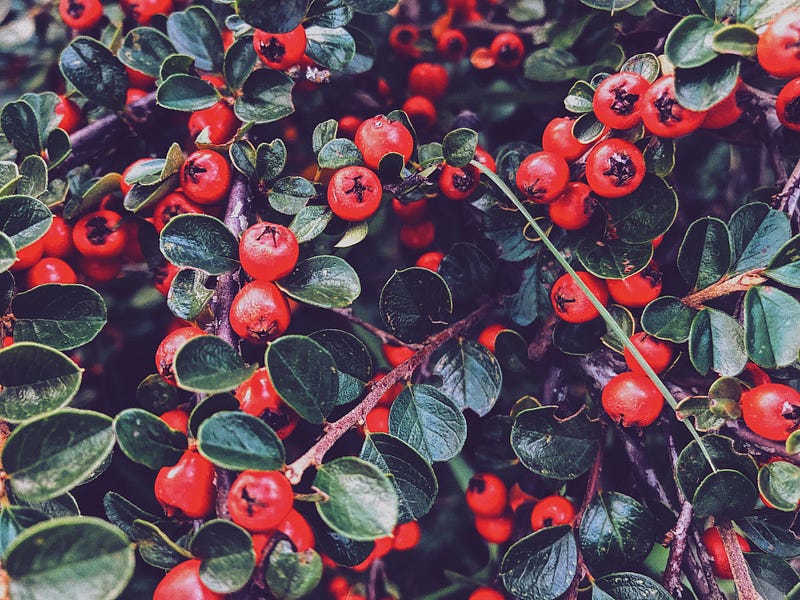
One- and two-ribbed hawthorn — the difference
You can tell whether a hawthorn has one or two branches by looking at the flowers. Although there are a total of around 200–300 hawthorn species in the temperate climate zones of the northern hemisphere, the two species mentioned are the best known in Central Europe. The single-stalked hawthorn has a so-called “pistil”, i.e. a yellow style that protrudes from the middle of the flower and bears the stigma (female part of the flower), while the two-stalked variety has two of these pistils.
Where does hawthorn grow?
The hawthorn is found in the temperate climate zones of the northern hemisphere. Both the one-handled and the two-handled hawthorn can be found in Europe, including Germany, Switzerland and Austria. The shrub grows in deciduous forests and bushes as well as on forest edges. It can also be found cultivated in gardens and parks, for example as hedges. If you want to harvest the flowers or berries from the wild hawthorn, it is advisable to look for sunny locations, as it prefers to grow in these places.
The effects
The berries, flowers and leaves of the hawthorn are rich in nutrients and vital substances that have an extremely positive effect on health. It is assumed that the flavonoids they contain, i.e. the natural substances that give plants their color, and the oligomeric procyanidins, which belong to the flavonoids, are primarily responsible for this. The following effects of hawthorn have been demonstrated in animals and humans as well as in cell studies:
✔️ ️Protects the heart and regulates blood pressure
✔️ Inhibits cancer
✔️ Works against HIV and diabetes
✔️ Has an anticoagulant effect
✔️ Protects the liver
✔️ Works against high blood sugar (hyperglycaemia)
✔️ Reduces elevated blood lipid levels
✔️ Has a positive effect on wound healing
✔️ Inhibits the growth of bacteria, fungi and viruses
✔️ Protects the stomach and promotes digestion
✔️ Has an anti-inflammatory and antioxidant effect
✔️ Has anti-ageing effects
✔️ Protects nerve cells and improves cognitive disorders and Alzheimer’s disease
✔️ Works against depression and anxiety In the following sections, however, we will only go into detail about those effects that have already been studied in humans, so that we can suggest dosages that have already proven to be effective. Anyone who has ever heard of hawthorn will probably associate the plant with its positive effect on the cardiovascular system. In fact, most of the studies that have been carried out on humans are on this subject.
For example, researchers found that hawthorn achieved astonishing improvements in cases of high blood pressure or heart failure — and (in contrast to many prescribed medications) usually without any significant side effects. In the following sections, we take a closer look at which preparations and dosages were used in these studies.

For high blood pressure
Hawthorn is able to lower blood pressure by increasing the release of nitric oxide from the vascular endothelium. The endothelium is the inner wall of the blood vessels, where nitric oxide is produced in the corresponding cells. Nitric oxide leads to dilation of the blood vessels, which lowers blood pressure. A randomized, placebo-controlled, double-blind study from 2012 investigated the effect of hawthorn extract on 60 patients with high blood pressure. The patients were randomly assigned to two groups. 30 of them took 450 mg hawthorn extract from Willmar Schwabe Pharmaceuticals, which is available under the name Crataegutt in every pharmacy and online, twice a day for 12 weeks, while the other 30 patients received placebo tablets. After 12 weeks, a significant reduction in systolic and diastolic blood pressure was observed. While the participants in the group receiving hawthorn extract had an average blood pressure of 154 to 94 (systolic and diastolic blood pressure) at the beginning of the study, this had fallen to an average of 137 to 85 by the end of the study. Blood lipid levels also improved significantly. In the control group, neither the blood pressure values nor the blood lipid values changed noticeably. Hawthorn can therefore be tried as an alternative to blood pressure-lowering medication with many side effects, but should not replace a change in lifestyle, as this contributes significantly to the development of high blood pressure. However, we recommend discussing the intake with your doctor beforehand. You can find out more about the causes and holistic treatment methods of high blood pressure at the high blood pressure link above.
Hawthorn camphor drops for low blood pressure
Several studies investigated the effect of the herbal medicine Korodin (drops) in patients with low blood pressure. It consists of a combination of hawthorn and camphor and is also known as “circulatory drops”. The ingredients boost the heart’s performance by increasing its beating power and dilating the blood vessels. They lead to better blood flow to the heart muscle and coronary arteries. A randomized, placebo-controlled double-blind study from 2014 showed that the blood pressure of participants who received 20 drops of Korodin four times in a row, each 10 minutes apart, increased more than the blood pressure of participants who took a placebo. However, it was not only blood pressure that increased in the patients, but also their attention span. A single dose of Korodin also appears to be effective. Participants with low blood pressure who took 20 drops of Korodin once already had significantly higher blood pressure a few minutes later than those participants who took a placebo. Korodin is available over the counter from pharmacies. However, we recommend that you discuss taking the drops with your doctor beforehand, especially if you are already taking other medication. Reviews that took a closer look at placebo-controlled studies reported both a subjective and an objective improvement in symptoms in patients with heart failure. The studies focused on stages 1–3 according to the categorization of the New York Heart Association. While patients in stage 1 experience no restrictions during normal everyday activities, patients in stage 3 suffer from shortness of breath and exhaustion even during minor physical activities. Patients in all three stages experienced an improvement in symptoms when taking hawthorn. Two meta-analyses showed that hawthorn as a supplement to conventional treatment with medication increased exercise tolerance and reduced the pressure-heart rate product. Increased exercise tolerance can manifest itself, for example, in the fact that you are less exhausted during everyday activities such as housework or climbing stairs and do not suffer as much from shortness of breath. A lower pressure-heart rate product means that the oxygen requirement and therefore the energy consumption of the heart is lower. Those affected who took hawthorn also reported less fatigue and shortness of breath than those who took a placebo. Data from a 2008 study also suggest that taking hawthorn extract for two years may reduce the risk of sudden cardiac death in people with heart failure. This was at least the case when the function of the left ventricle was less severely impaired.
Dosing in heart failure
The studies described above used uniform hawthorn extracts from leaves and flowers, referred to as LI 132 and WS 1442. The latter can be found, for example, in the drug Crataegutt, which is available over the counter in pharmacies. The daily doses used are between 160 mg and 1800 mg per day. However, doctors believe that the extract has a better effect in higher doses and therefore recommend taking 600–1800 mg divided into two or three doses per day. The preparation should be taken for at least four to eight weeks to see if symptoms improve. Discuss taking the extract with your doctor beforehand.
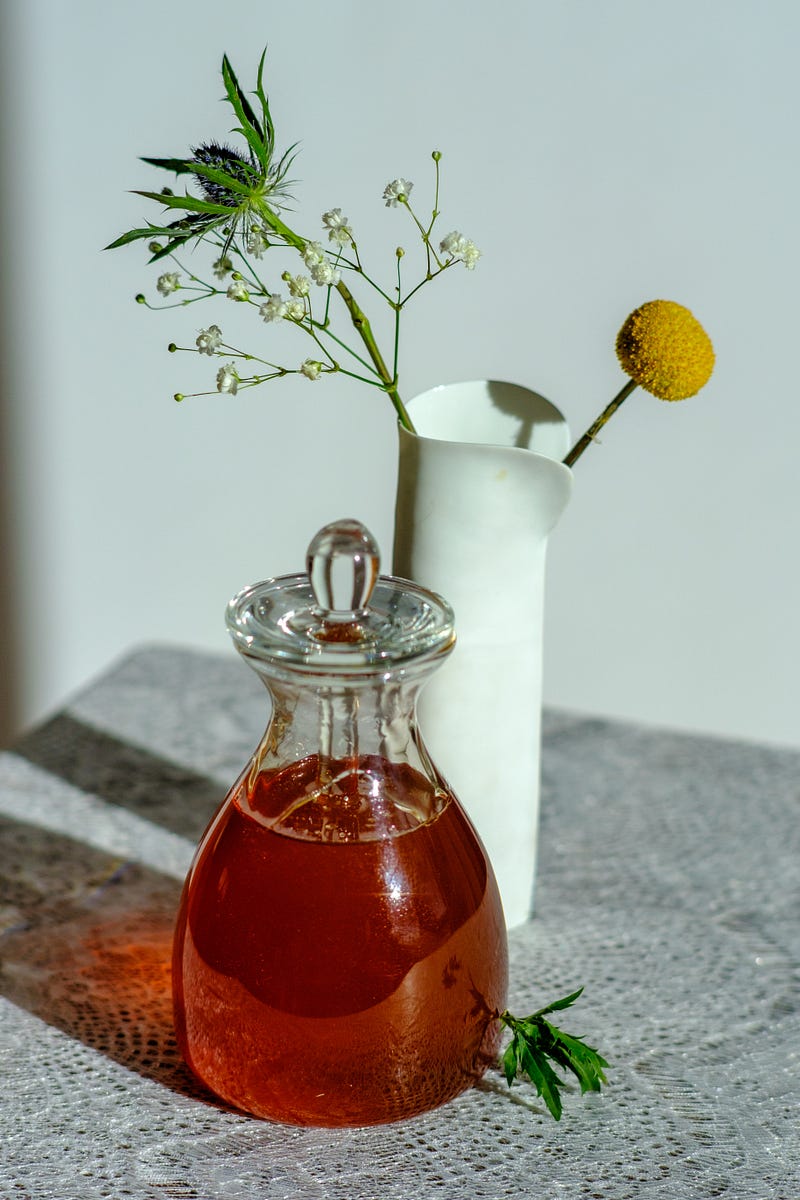
Hawthorn syrup helps with reflux Hawthorn has long been used in traditional medicine to relieve reflux symptoms and improve stomach function. The medicinal plant also helps with nausea and vomiting, stops diarrhea and cleanses the stomach. In 2016, a research study confirmed its positive effect on reflux. The study involved 80 people who suffered from belching and heartburn at least twice a week. The participants were randomly divided into the experimental and control groups. While the former took 5 ml of hawthorn syrup after every meal for four weeks, the control group received a placebo. After the four weeks, there was not only a significant improvement in symptoms, but an almost complete disappearance — and only in the group that took hawthorn syrup. In this study, the syrup was prepared as follows: 100 g of hawthorn berries were added to 1 liter of boiling water and allowed to simmer for 15 minutes. The mixture was then allowed to cool and poured through a paper filter. A dry extract was then made from it. So much of this was taken that the syrup later contained 10 percent. The syrup also had a sugar content of 66.7 percent. Since, as far as we know, there is no hawthorn syrup commercially available and it is not really possible to make a dry extract at home, we present a recipe for making your own below:
Recipe for hawthorn syrup Ingredients for 400–500 ml: 500 g fresh hawthorn berries 250 g sugar or another sweetener of your choice One untreated lemon 1. wash the berries and put them in a pot. Cover the berries completely with water. 2. allow the berries to simmer for 15–20 minutes over a low heat, stirring occasionally. 3. pass the berries through a sieve and squeeze them well. Collect the liquid in a saucepan. (The pulp is discarded). 3. squeeze the lemon and add its juice and the sugar to the berry juice. Allow the mixture to boil for three minutes. 4. pour the resulting syrup hot into sterilized bottles and seal well. For anxiety disorders A placebo-controlled, randomized, double-blind study published in 2003 confirms that hawthorn can also help people with mild and moderate anxiety disorders. A group of 130 participants were given the drug Sympathyl for three months. Each tablet contained 75 mg extract from the flowers, 20 mg extract from golden poppy and 124.35 mg magnesium oxide. The remaining 134 participants took a placebo. Both groups took two tablets twice a day. Taking Sympathyl led to a significantly greater reduction in scores on the Hamilton scale, a test that measures the extent of an anxiety disorder, and in the subjective assessment of anxiety than in the placebo group.
How hawthorn can be taken
Most studies investigate the effect of specific hawthorn extracts, which can be taken in the form of tablets or drops, as described above. Below you will find an overview of the preparations and their dosage for the various diseases. As always, however, discuss the intake with your doctor beforehand.
High blood pressure Studies have shown that 450 mg of hawthorn extract twice daily in the form of the drug Crataegutt for 12 weeks reduced blood pressure.
Low blood pressure 20 drops of Korodin increased blood pressure in one study.
Chronic heart failure Crataegutt (600–1800 mg hawthorn extract), divided into two or three doses per day over four to eight weeks, could be helpful for heart failure according to the above-mentioned study.
Reflux According to a study, 5 ml hawthorn syrup after every meal for four weeks improves reflux symptoms.
Anxiety disorder According to the above study, two tablets of the drug Sympathyl twice a day relieves anxiety in people with mild and moderate anxiety disorder.
Hawthorn tea There are no studies on the effect of hawthorn tea on humans, so unfortunately it is not possible to say in what doses the tea could be used therapeutically. Nevertheless, the tea can be drunk in combination with other herbal teas. Side effects rarely occur with hawthorn. A study of 3664 patients with chronic heart failure showed that only 1.3% of patients, i.e. 48 participants, reported adverse effects. The patients took 900 mg of extract over eight weeks. Hot flushes, stomach complaints, palpitations, shortness of breath, headaches and nosebleeds were reported. However, the most common side effect was dizziness. If you notice any side effects, stop taking the preparation and discuss the next steps with your doctor.
When hawthorn should not be taken
Hawthorn products should only be absolutely avoided if there is a known hypersensitivity to the plant. It is not recommended during pregnancy due to possible stimulation of the uterus. As there are no studies on the effects of the medicinal plant and preparations made from it on breastfeeding mothers and children, it is also not advisable to take it. You should also exercise caution if you are taking other herbs, food supplements or medication that have an effect on the heart or blood vessels (e.g. ginger, ginseng, turmeric or medication for increased blood lipid levels or high blood pressure). It is best to discuss this with your doctor beforehand.
When is harvest time?
While flowers and leaves are best collected from April to June, as they have the highest active ingredient content at this time, hawthorn berries can be harvested from September until late fall.
How to use hawthorn in the kitchen
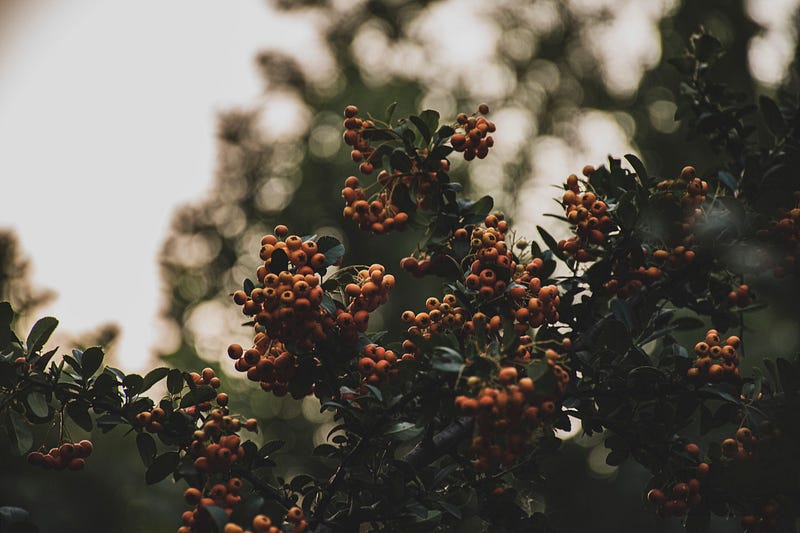
Hawthorn berries are rich in nutrients, make food taste more aromatic and have many other health benefits in addition to their digestive properties. This is also the reason why the berries are added to a wide variety of foods in China and elsewhere. These include potato chips, bread rolls, cakes, beers and wines, vinegar and jams. The small red fruits, which look very similar to rosehips, are just as much a domestic superfood as rosehips. They also contain a lot of vitamin C. Although rosehips top the list with 1250 mg/100 g of vitamin C, hawthorn berries are also among the fruits with the highest vitamin C content with up to 230 mg/100 g. They also contain secondary plant compounds. They also contain secondary plant substances such as flavonoids and carotenoids, which have a positive effect on the immune system, as well as pectins, which regulate digestion. The berries, flowers and leaves of the medicinal plant can be dried and used as a tea. The berries are also very digestible dried or raw in muesli or porridge. They have a floury consistency and a mild, sweet taste. The berries can also be processed by pureeing them into a jelly or by pressing and boiling them down to make hawthorn juice. When boiled down, they can also be eaten as a compote or jam or used as an ingredient for a fruit cake or other desserts.
Recipe for hawthorn elderberry jam
You will need the following ingredients to make jam: 1 kg of freshly picked hawthorn berries 500 ml elderberry juice 1 kg gelling sugar The juice of a lemon and an orange as well as a pinch of clove and cinnamon powder can be added to refine the jam 1. wash the freshly picked berries, cover with a little water and boil for about 30 minutes until soft 2. then pass the berries through a sieve or a blender (Flotte Lotte) and allow the puree to cool. 3. weigh out 500 g of the strained hawthorn pulp and mix it with the elderberry juice and gelling sugar in a large pan. 4. bring the mixture to the boil while stirring and boil over a high heat for two minutes. 5. immediately pour the jam into the jars and seal them tightly. Boil the jars and lids you are using beforehand to sterilize them and do not dry the jars. Fill the jars as full as possible with jam and wipe the rims with a clean cloth before sealing them. The jam should then be turned upside down for a few minutes to prevent air bubbles from forming.
Recipe for hawthorn and elderberry jelly Ingredients for 750 ml jelly: 250 g hawthorn berries 250 g elderberries 2 tablespoons of sugar Gelling sugar 1. simmer both types of berries with 1 tablespoon of sugar and 100 ml of water in a saucepan for 25 minutes. 2. press the berries through a fine sieve that you can hang in a pot. The sieve ensures that only the juice from the fruit is pressed into the pot. If you only have a coarse sieve, line it with a tea towel. 3. mix the two juices and measure how much juice you have squeezed out. Add preserving sugar in a ratio of 1:1 or 2:1. If you have about half a liter of juice, you can add 500 g of sugar or, if you like the jelly less sweet, use half the amount of sugar (250 g). 4. allow the mixture to boil for about four minutes and stir during this time. 5. skim off the resulting foam and pour the jelly into sterilized jars, seal tightly and leave to cool. Recipe for unsweetened hawthorn juice To make hawthorn berry juice, proceed as described in points 1–3 of the recipe for the jelly. For the unsweetened version, however, leave out the sugar. If you want to preserve the juice, it can be boiled with sugar after squeezing and filled into sterilized bottles.
Hawthorn berries for desserts The berries can be used to decorate cakes or tarts, for example, or as a glaze in the form of hawthorn jam. In the following recipe, we describe how you can prepare a delicious hawthorn and pear cream. Ingredients: 200 g hawthorn berries 4 pears 50 ml apple juice Honey or another sweetener of your choice 50 ml cream 200 g quark vanilla powder 1. cook the berries in a pan of water for 20–30 minutes until soft. 2. press the softened berries through a sieve and collect the pulp in a bowl. 3. halve the pears, cook them in the apple juice until soft and then puree them. 4. stir the berry puree into the pear puree and add honey and a little vanilla. 5. whip the cream until stiff and mix it with the quark. Add the mixture to the hawthorn berry and pear pulp.
Hawthorn not only helps with cardiovascular diseases
Studies on humans have so far mainly investigated the effect of hawthorn on cardiovascular diseases. However, individual studies on people with anxiety disorders or reflux as well as animal and cell studies show that the medicinal plant has a much broader spectrum of effects. Due to the low side effects, it is therefore worth trying hawthorn as a supplement to therapy or as an alternative to medication (after consulting a doctor) for the aforementioned complaints.