
ALPHABET TRAVEL CHALLENGE
Hawaii -The Big Island — From Sea To Sky
A to Z of my favorite travel destinations -H is for Hawaii
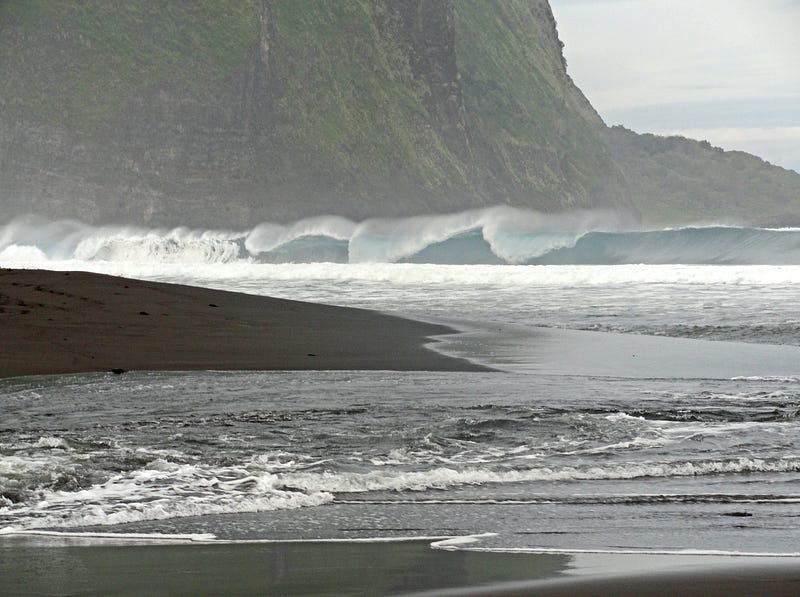
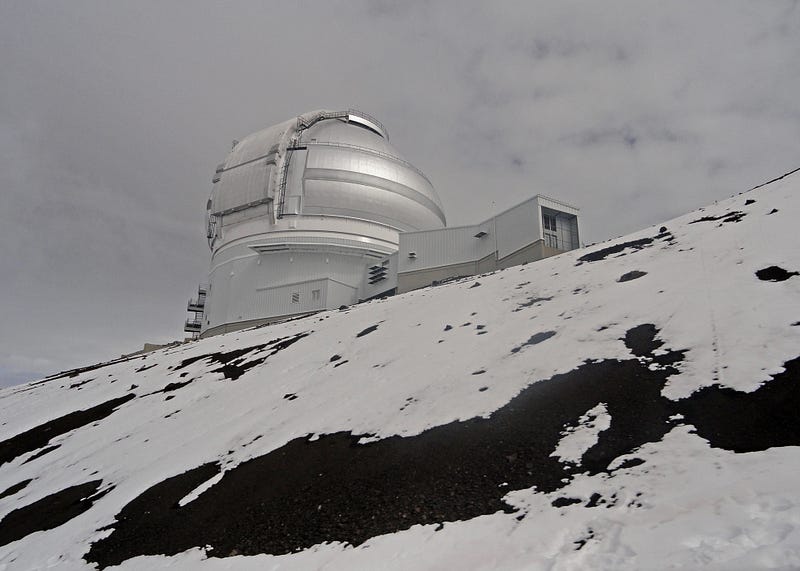
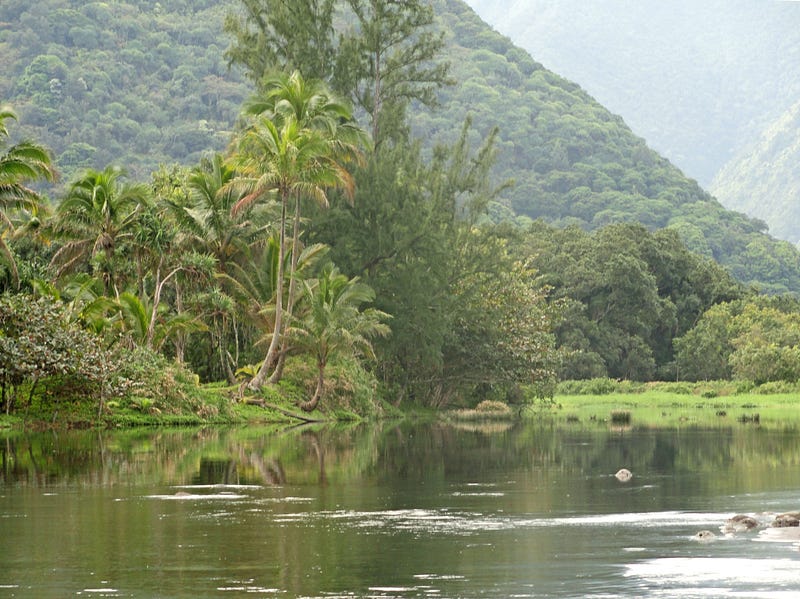
In just 3 hours we experienced the big Pacific surf crashing on a black sand beach in the lush Waipio Valley. And the icy wind cutting through our light jackets on the snowy summit of Mauna Kea… all on the Big Island of Hawaii.
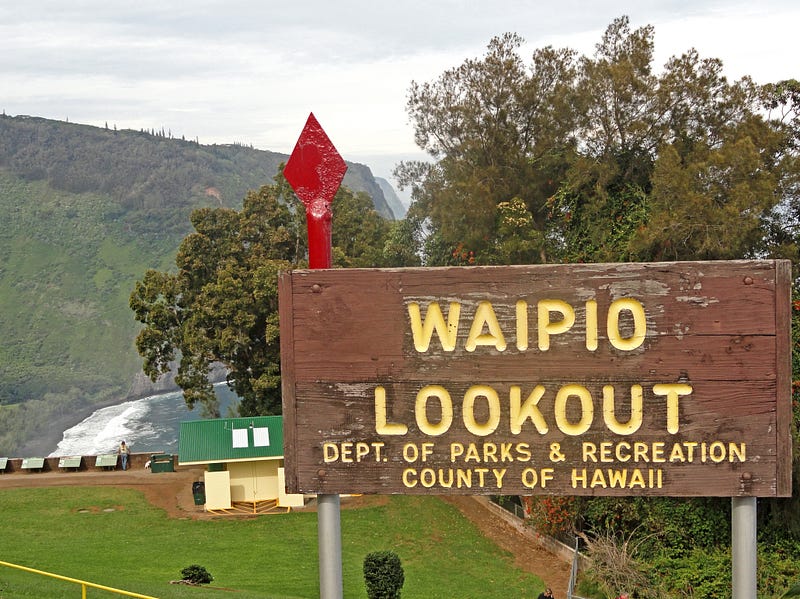
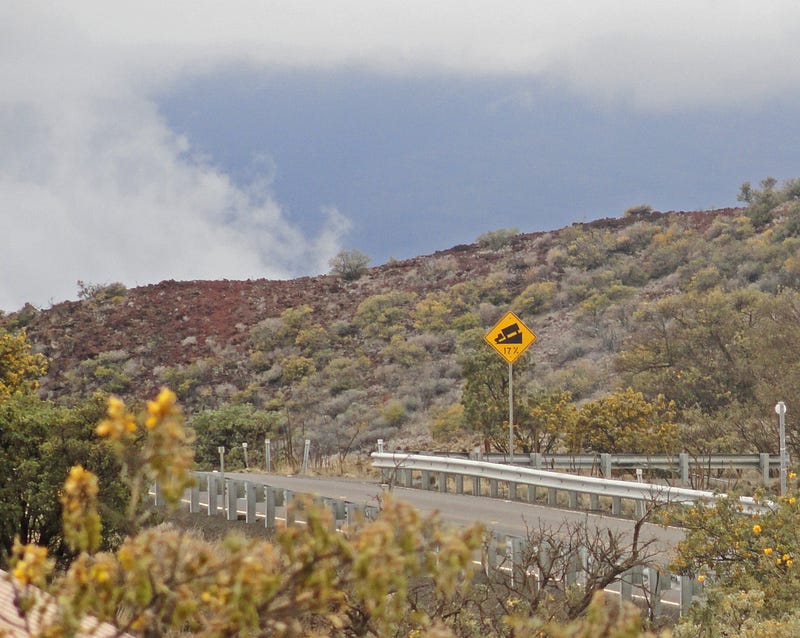
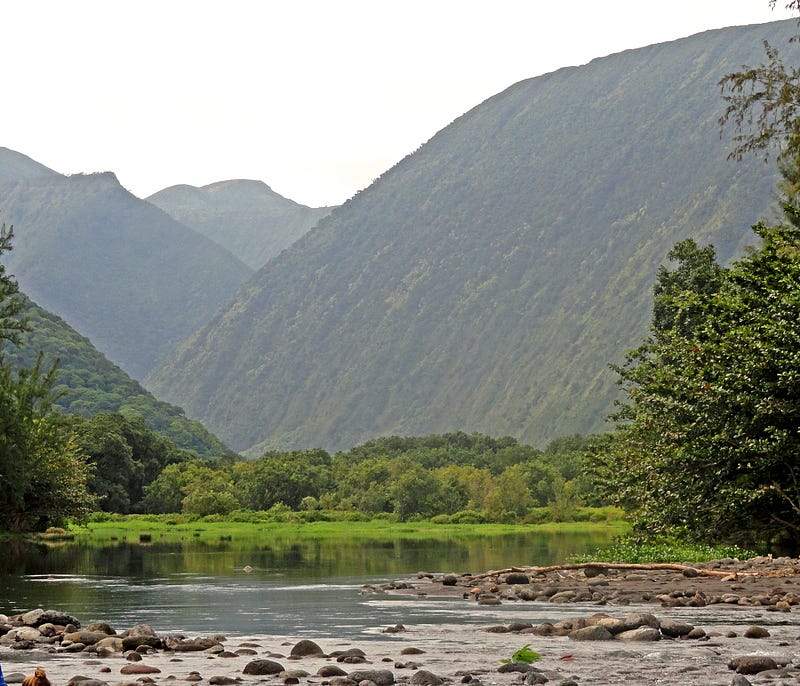
My friends and I started the day at the Waipio Valley observation deck before climbing into the pickup truck for the hair-raising ride down to the valley floor. The road slopes at a 25% angle so you have to have 4-wheel drive AND good brakes!
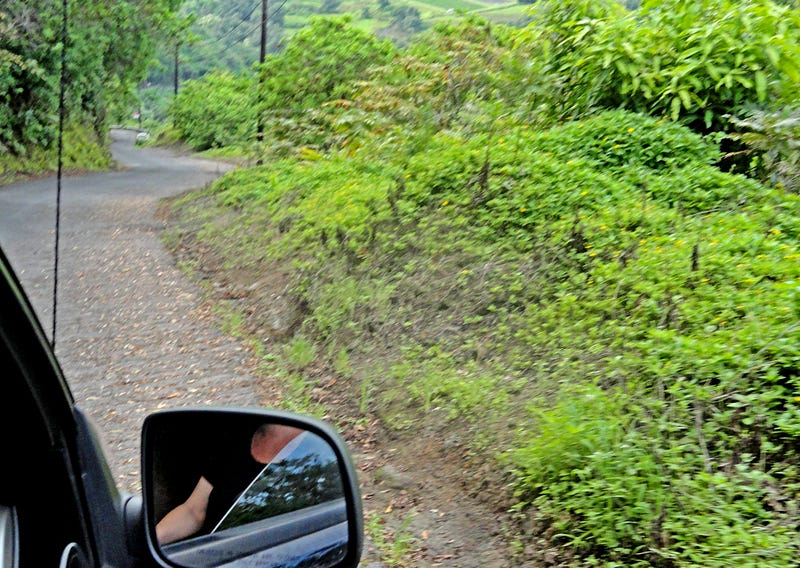
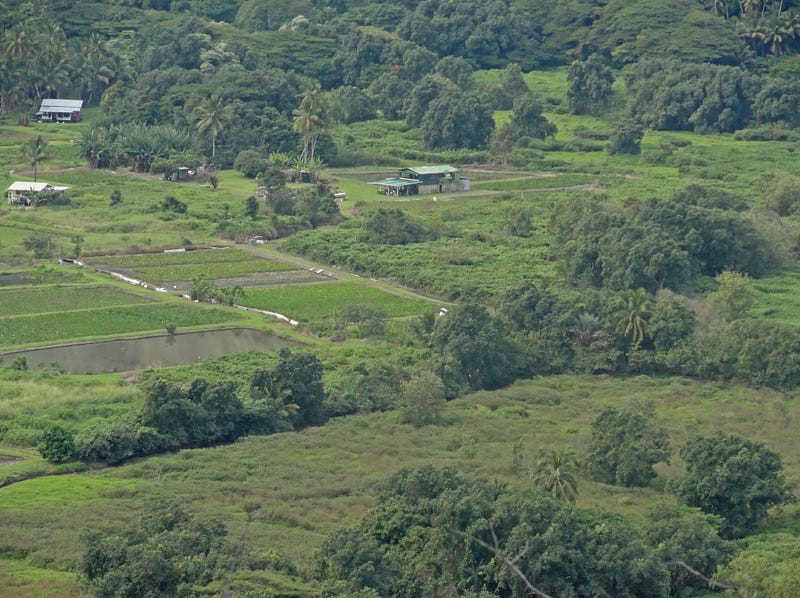
The view down was spectacular, though, for someone who gets vertigo when looking over the side of cliffs, it did get the adrenaline pumping.
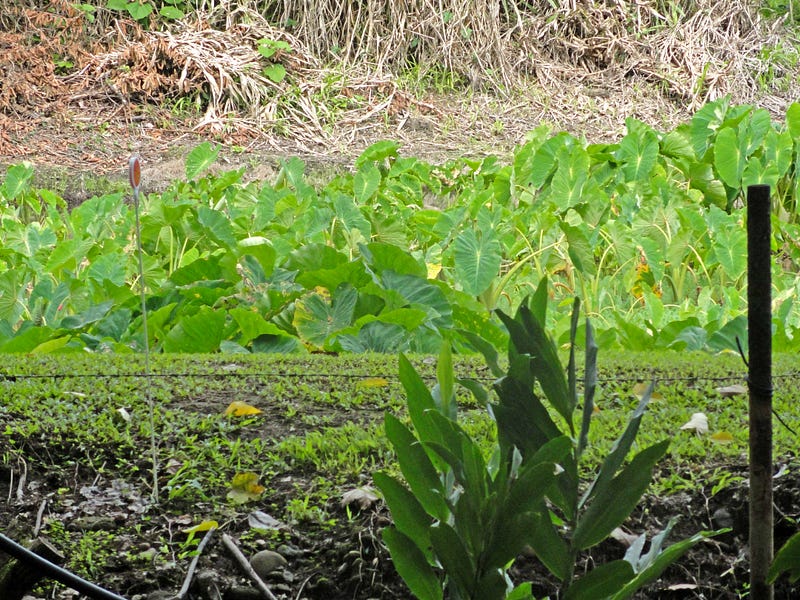
In the valley, locals (most of them Hawaiian) live a fairly traditional life, on small plots of land where they grow their own food like Taro, used for making Poi and other Hawaiian dishes. While they tolerate the tourists that visit the valley, they don’t necessarily like it.
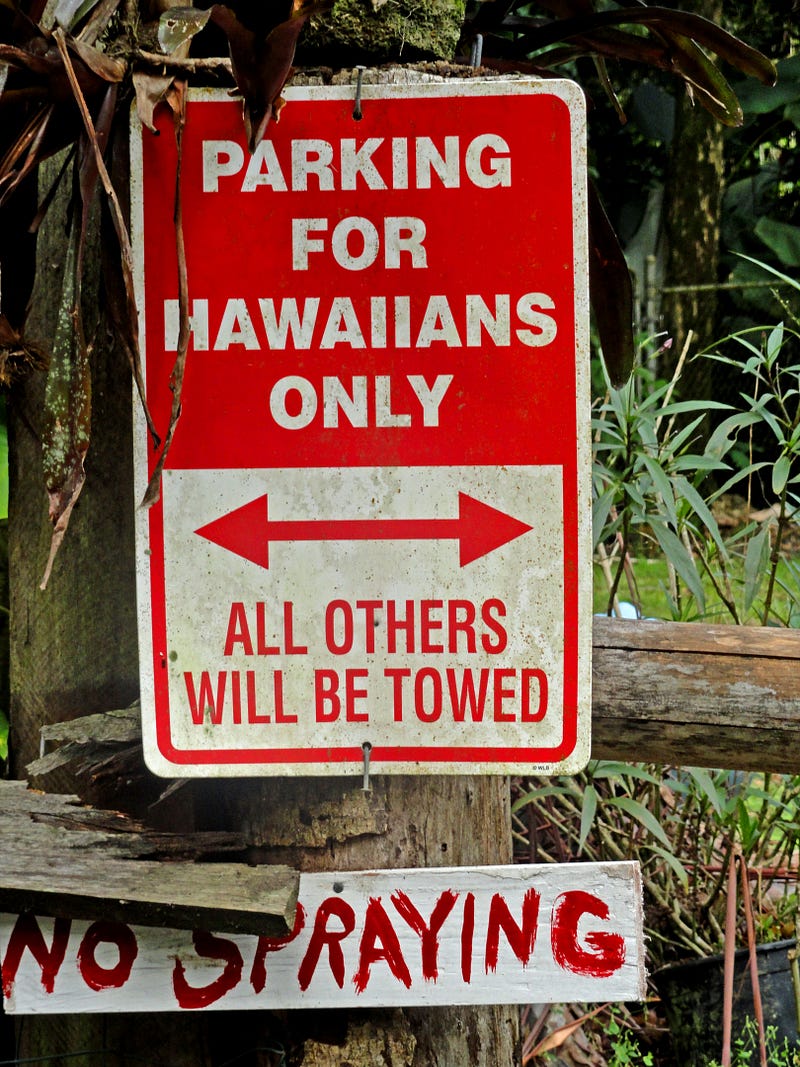
One sign warned “parking for Hawaiians only all others will be towed”, obviously a tongue-in-cheek joke since a tow truck could never make it down and then back up that road. But I’m sure it reflects much of the sentiment of the locals there.
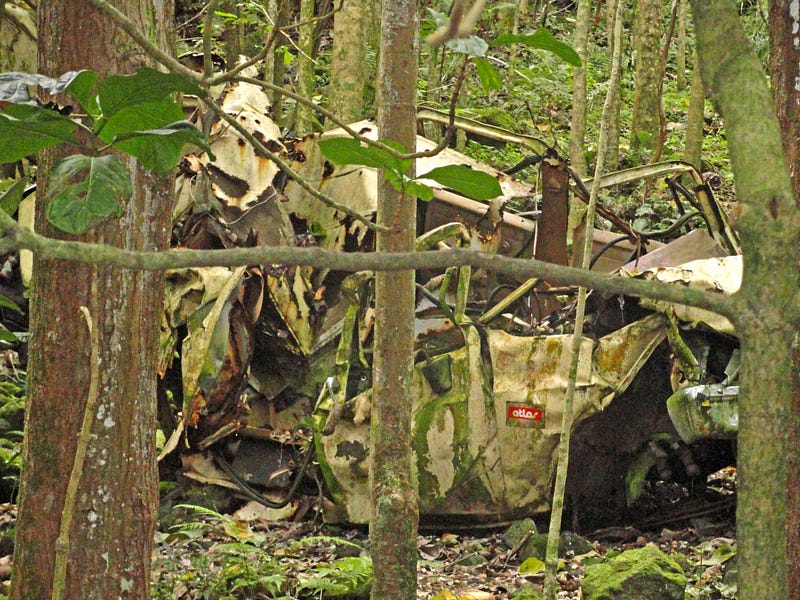
There’s even a rusted-out vehicle that obviously crashed down into the valley, who knows how many years ago. But it stands as a warning about the dangers of driving to this secluded community.
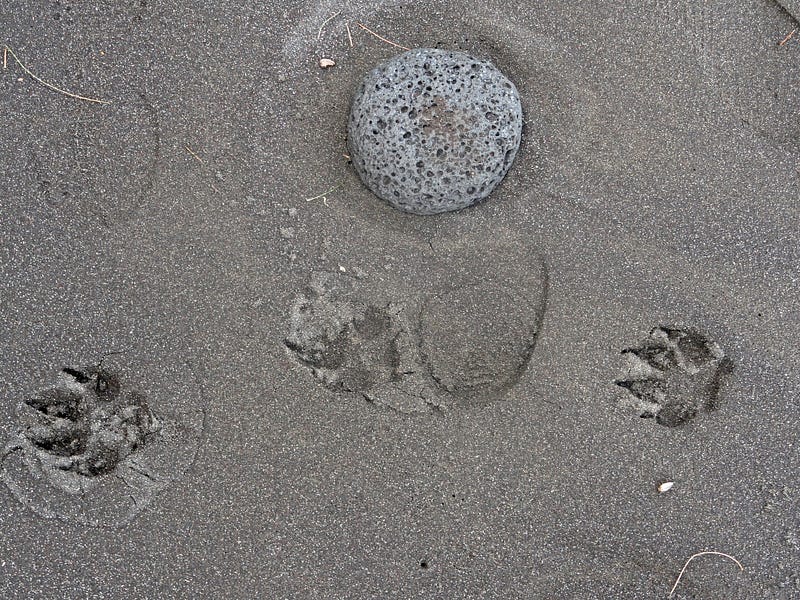
We were able to drive through one small stream, but we turned back at an even bigger stream and made our way to the beach. You really have to experience a black sand beach to appreciate it. It’s just like the soft powdery sand of Waikiki Beach but it is black.
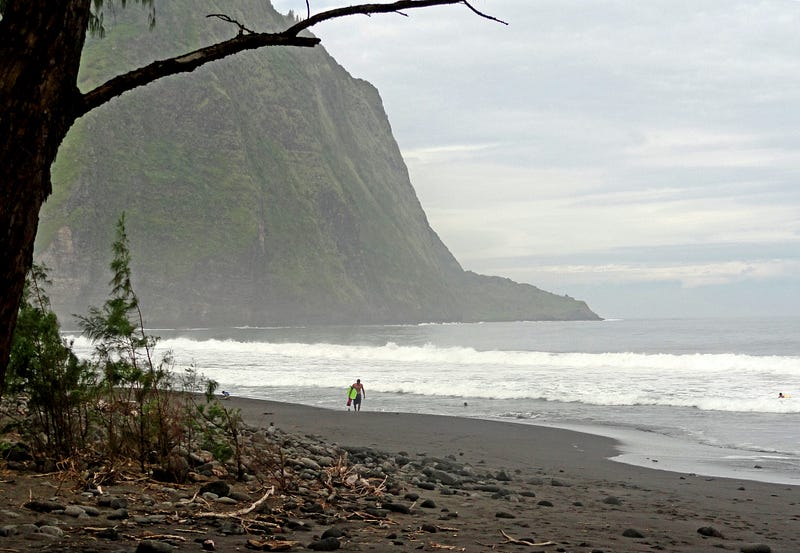
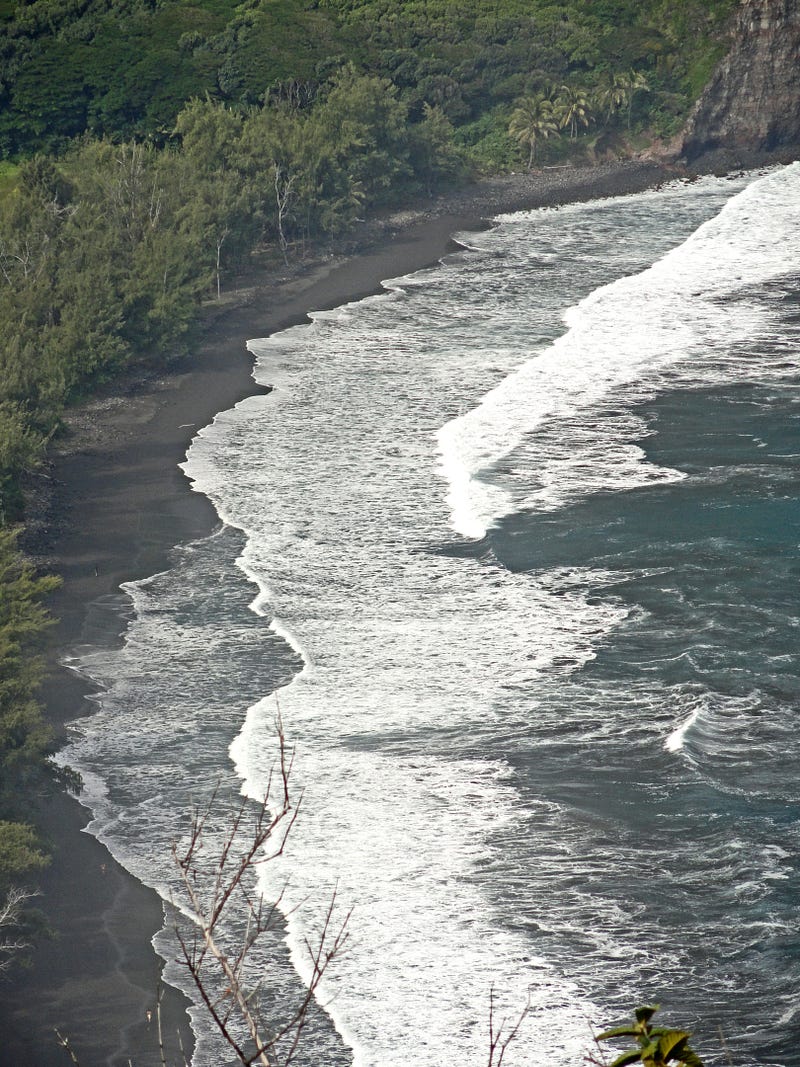
When you sit down on the sand, it sticks to you, so it looks like you are covered in dirt.
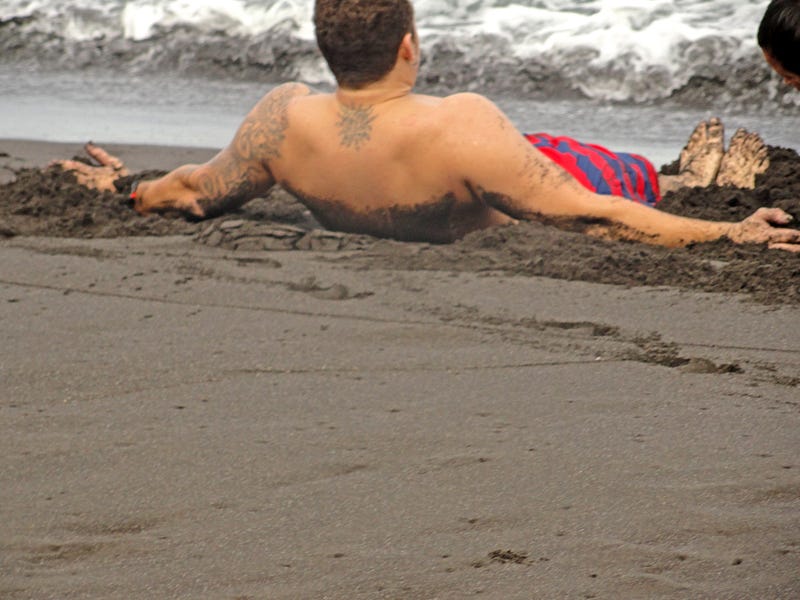
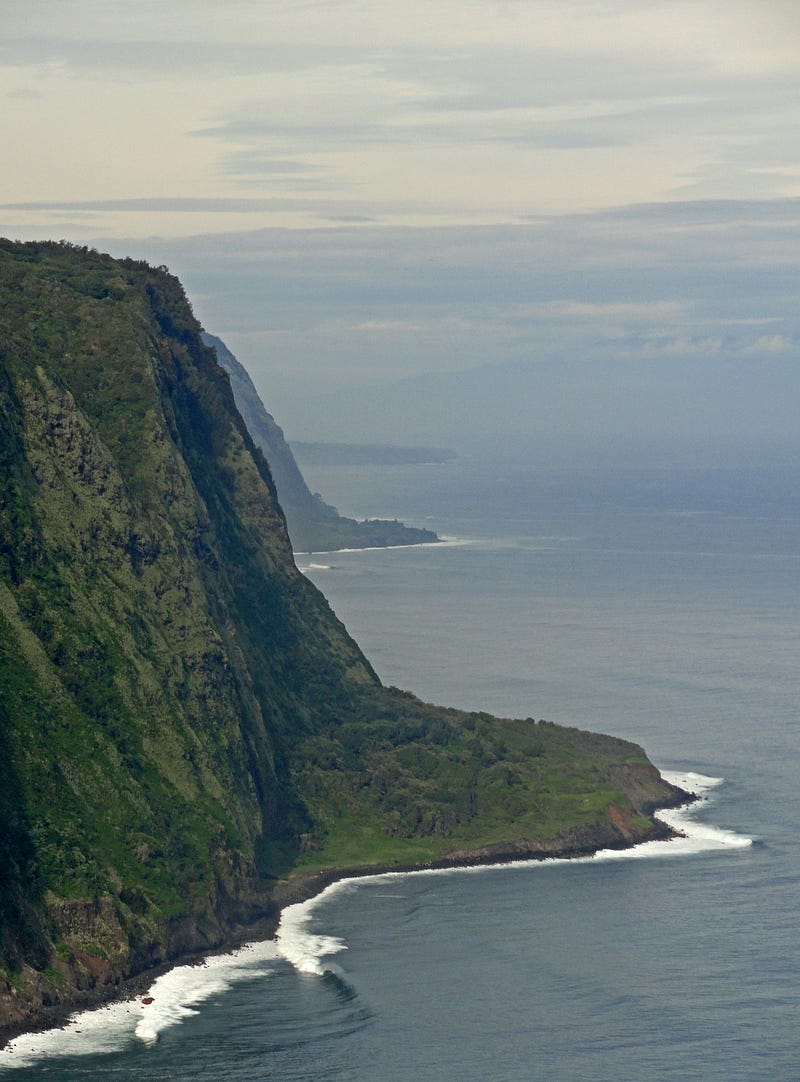
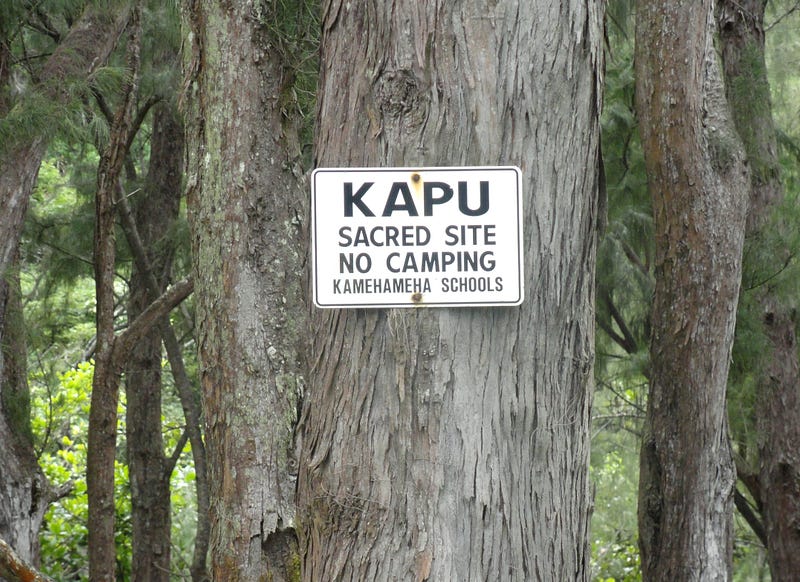
The views along the Hamakua coast, up the cliffs, and across the rolling surf, were spectacular. There were a few families spending the day but it was a very isolated and remote beach. The valley is also considered sacred to the Hawaiians and next to the black sand beach is a burial ground with signs all around it warning “Kapu” (forbidden).
It was still early so we decided to make the drive up to the summit of Mauna Kea. It’s the highest mountain in Hawaii at 13,796ft above sea level, but when you add in the rest of the mountain which is under the Pacific, it is over 33,000ft – about 4 thousand feet higher than Mount Everest.
The ride was as wild as any rollercoaster I had ever been on – very hilly with hairpin turns, sometimes just over the crest of a hill so you had little time to react. I would definitely recommend the drive along Saddle Road, just for the adventure and the scenery. The only problem is most car rental companies forbid you from driving there.
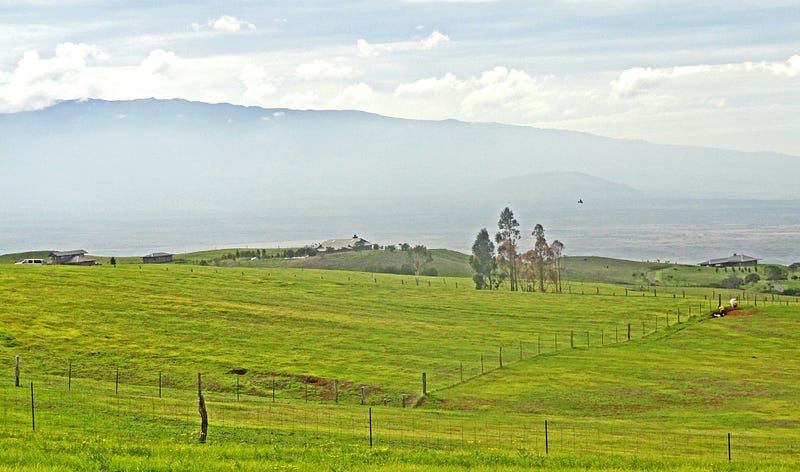
We started at sea level at the black sand beach and traveled through every climate you could think of.
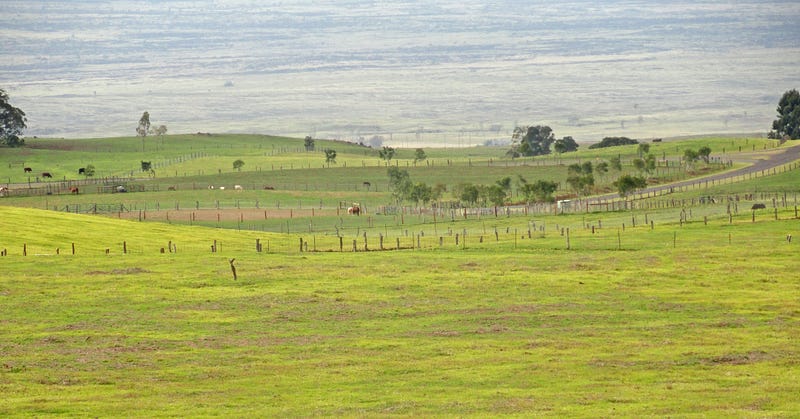
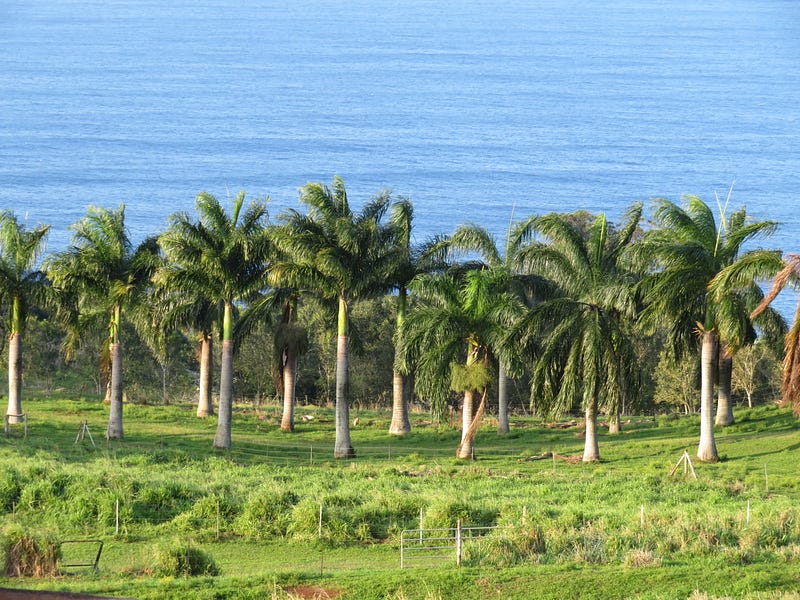
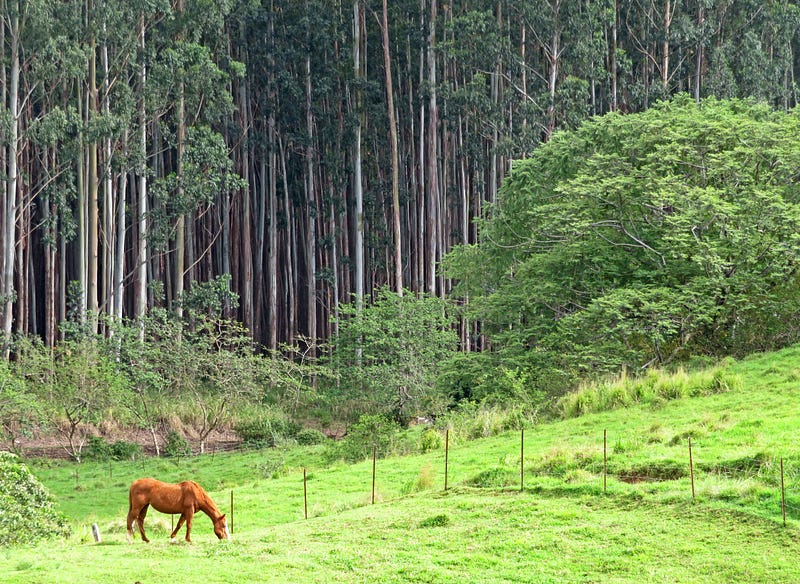
First was the tropical rain forest, that cleared into the rolling lush green farm fields reminding me of the fields around the foothills of central Alberta in Canada.
I was adjusting something on my camera and when I looked up a few seconds later, the landscape had changed dramatically.
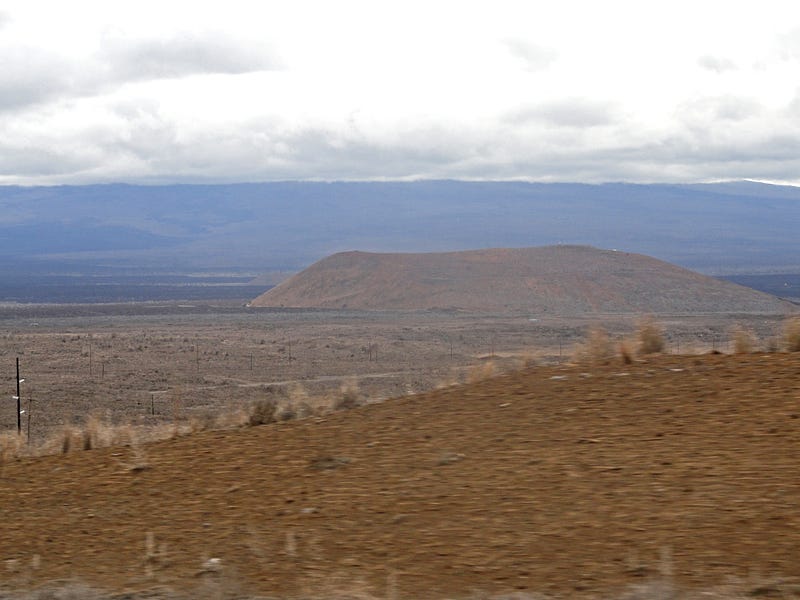
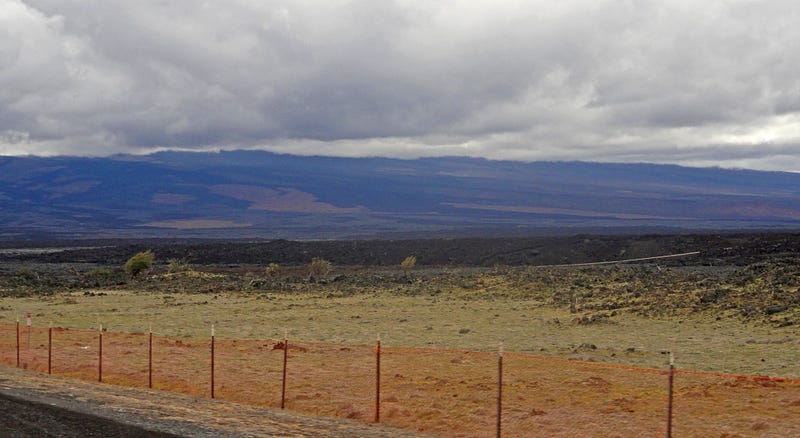
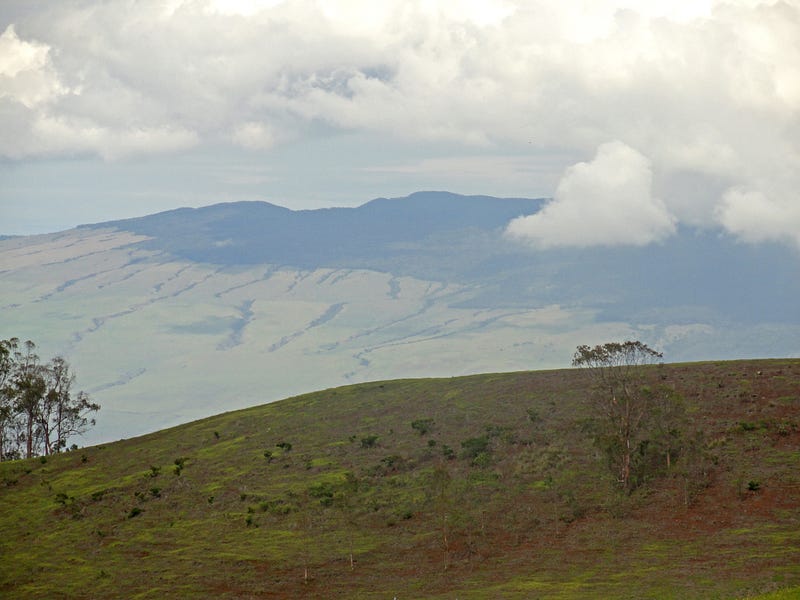
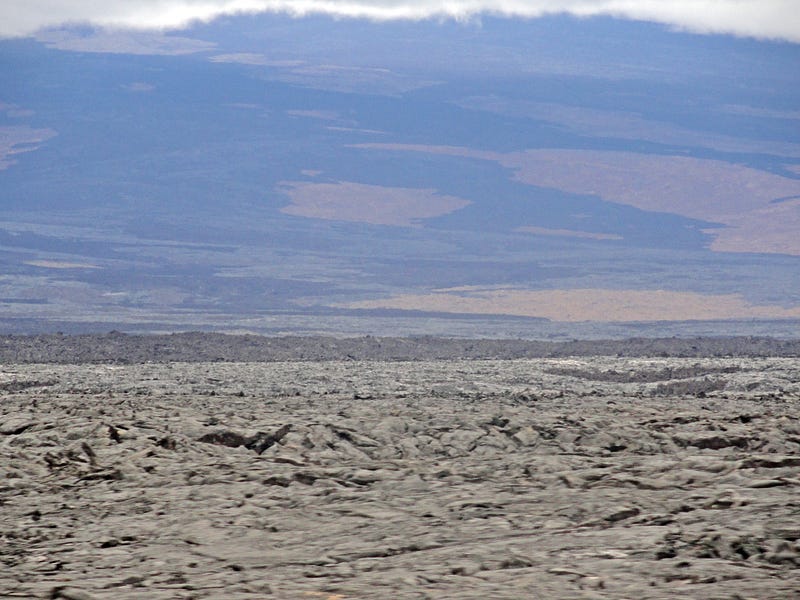
Now we were traveling through desert-like conditions with very little vegetation, and bare rusted orange earth mounds scattered across the landscape — dormant small lava domes. That soon morphed into a pockmarked moonscape as we passed through lava fields that had aged into a rocky grey landscape. In the distance, you can see the black flows of a more recent eruption cutting across a green hillside.
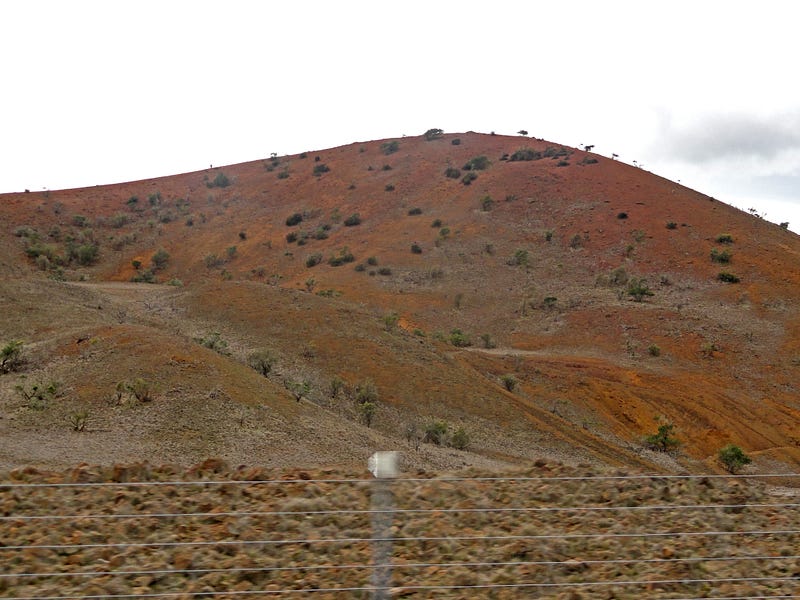
We then began the much steeper climb toward the summit of Mauna Kea. As we moved higher than the tree line, there was very little in the way of vegetation and once we reached the summit it was nothing but rock and snow.
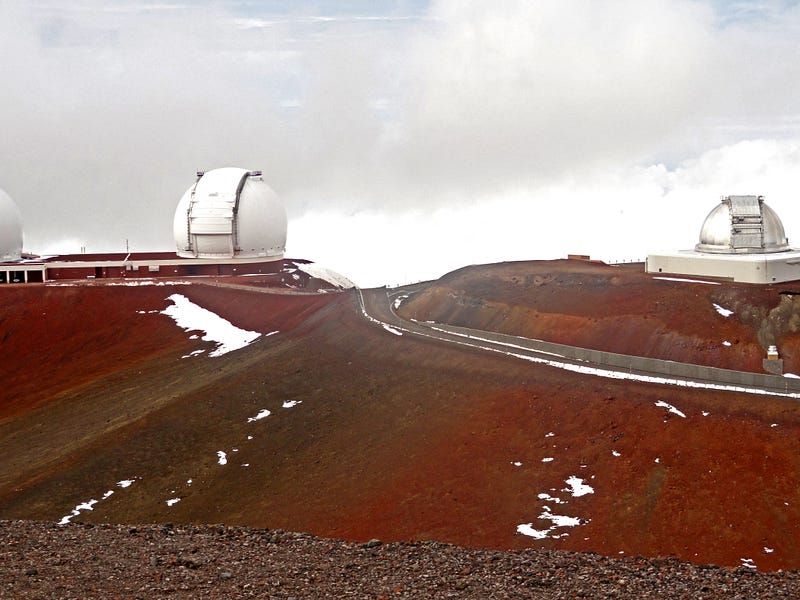
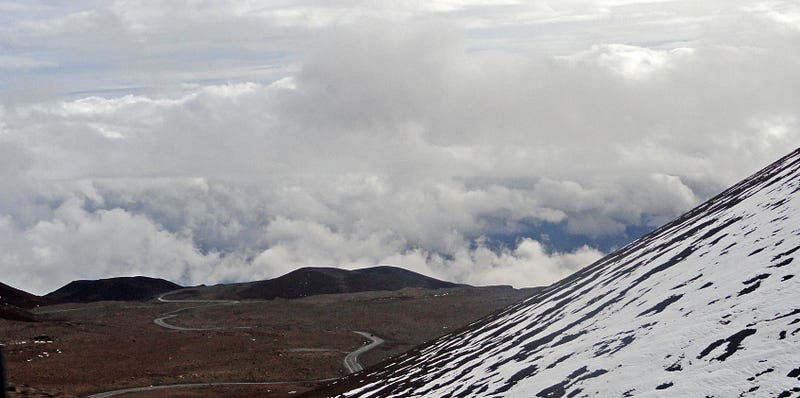
Apparently, when the summit gets a large snowfall, locals head up with their skis and snowboards and ride down the steep slopes. The biggest problem, besides dodging rocks, is getting back up to the top, since there are no ski lifts. My friend mentioned a sign he saw that said, tongue in cheek, “no lifts means no lines”.
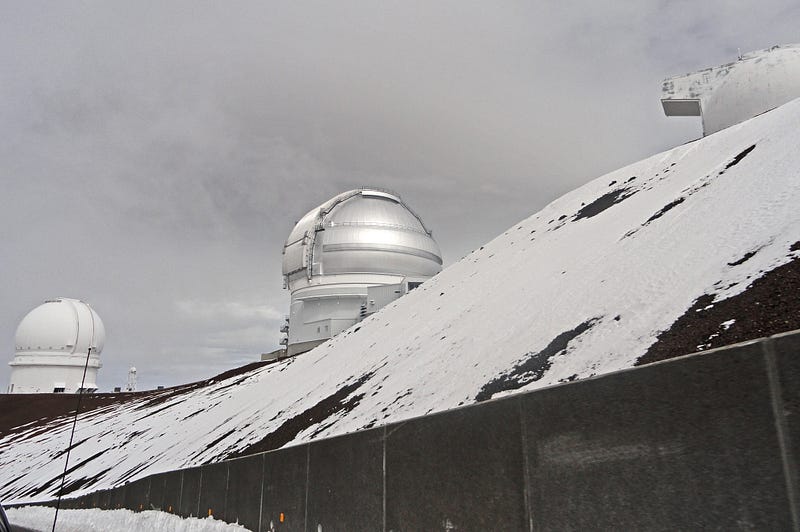
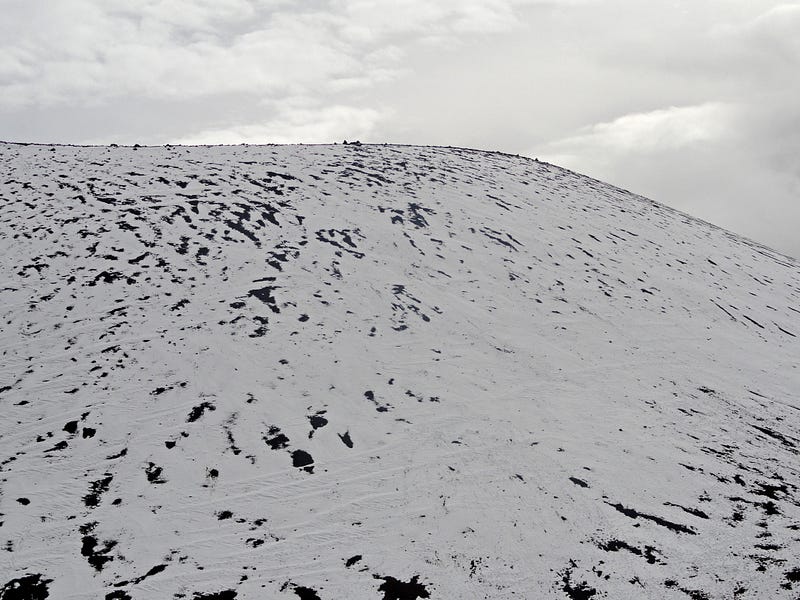
The way it works is that one person will ski down one of the larger lava domes while another will drive their vehicle to the bottom, pick them up and drive back up to the top. It’s not a long run but I’m sure it is a thrill.
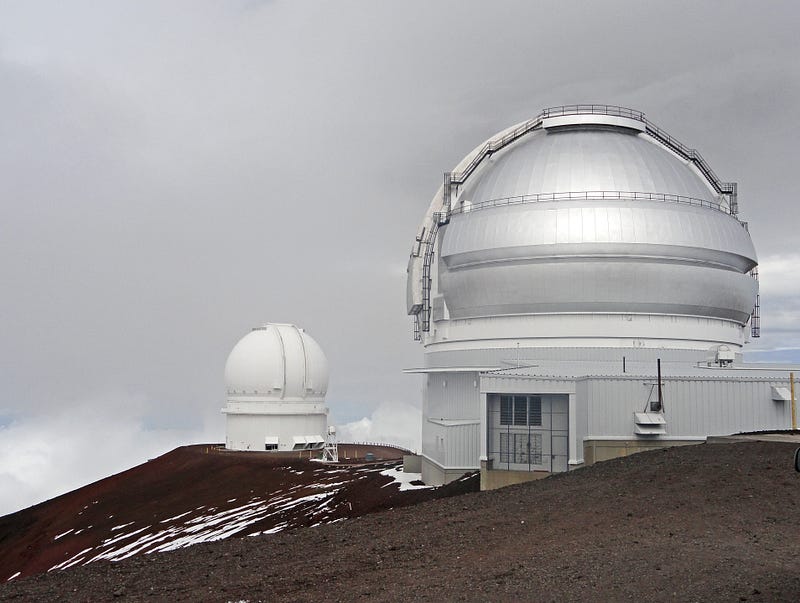
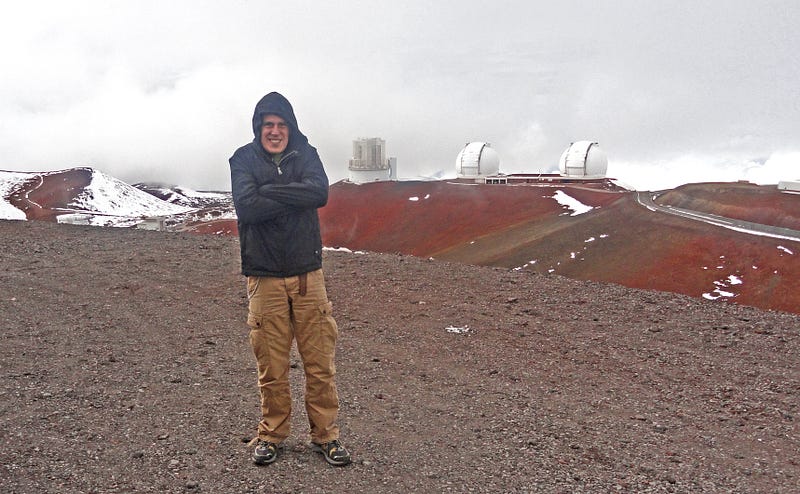
When we stepped out of the vehicle we were hit by a blast of icy cold wind, that hit our faces like a thousand needles. It was so unexpected, and a reminder of the cold winter I had left behind in Canada. We stayed out in the cold only long enough to take a few quick photos before diving back into our vehicle.
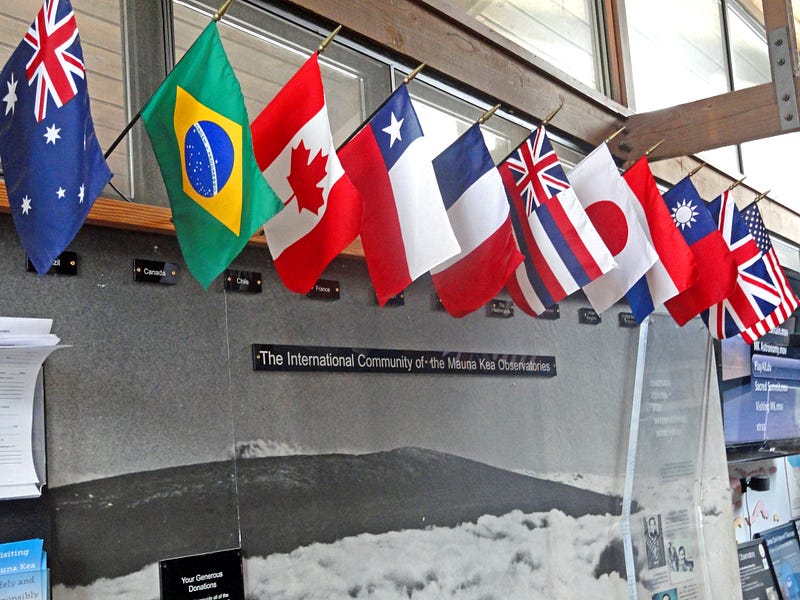
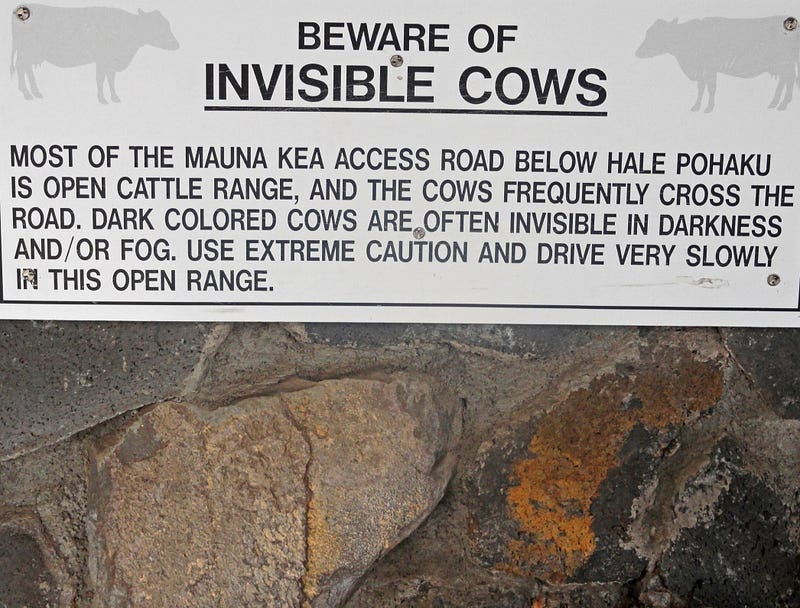
On the way down the mountain, there is an education center that provides all kinds of information about the work that goes on at the Mauna Kea Observatory. There we also spotted a sign warning about invisible cows.
We decided to take the route through Hilo back to their home in Laupahoehoe and drove right into a torrential rainstorm. The rain and fog were so thick we could barely see in front of us, but it quickly cleared as we drove into Hilo.
Even in the city you can still see some remnants of nearby volcanic eruptions, some yards had hardened lava running across them, and some residents had turned the new rocky vein into a garden feature.
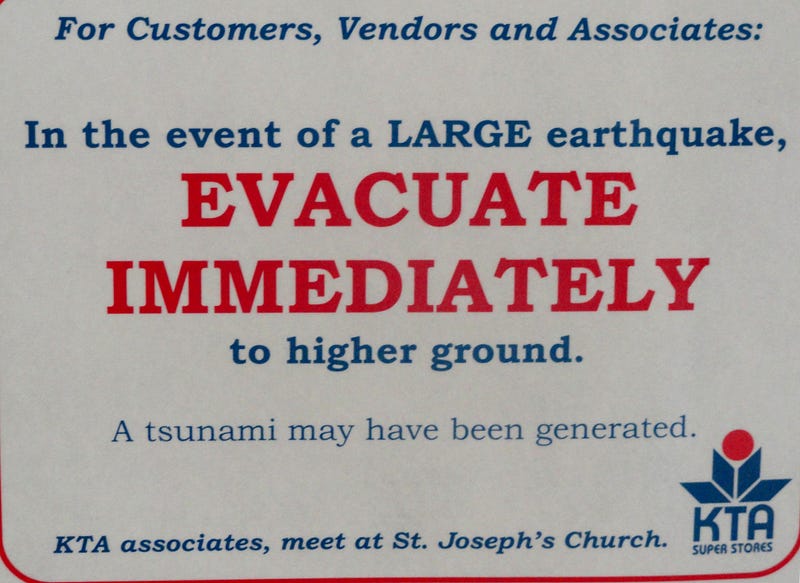
We stopped at a supermarket to pick up a few things when I spotted a sign you don’t see every day. It was warning shoppers to be prepared to evacuate to higher ground immediately in the event of a large earthquake, because of the risk of a Tsunami.
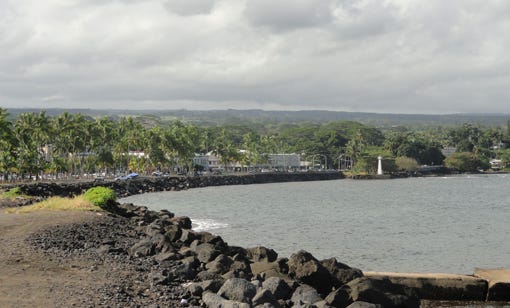
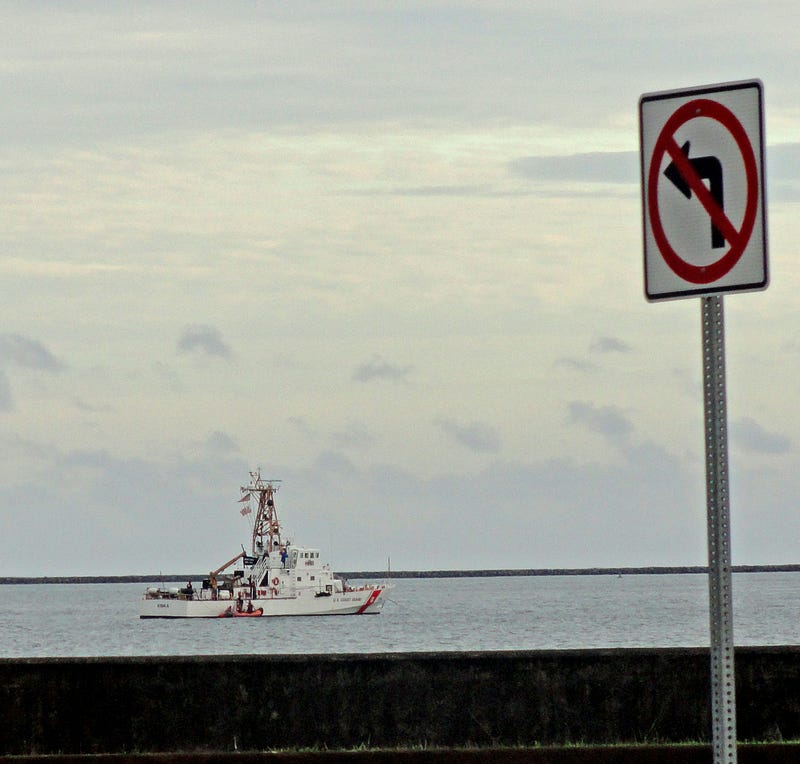
The Hilo side of the island is often overlooked by visitors to the islands, in favor of Waikiki or Maui, or Kauai, even here on the Big Island, the more popular city is Kona. Hilo has more of a rural country feel, which is exactly why it should be a place to see… before everyone else discovers it.
Thank you for reading. For more of my favorite travel destinations, you can check out my list of stories:


