
Have you heard of the Tibetan Eye Chart?
I hadn’t until recently.
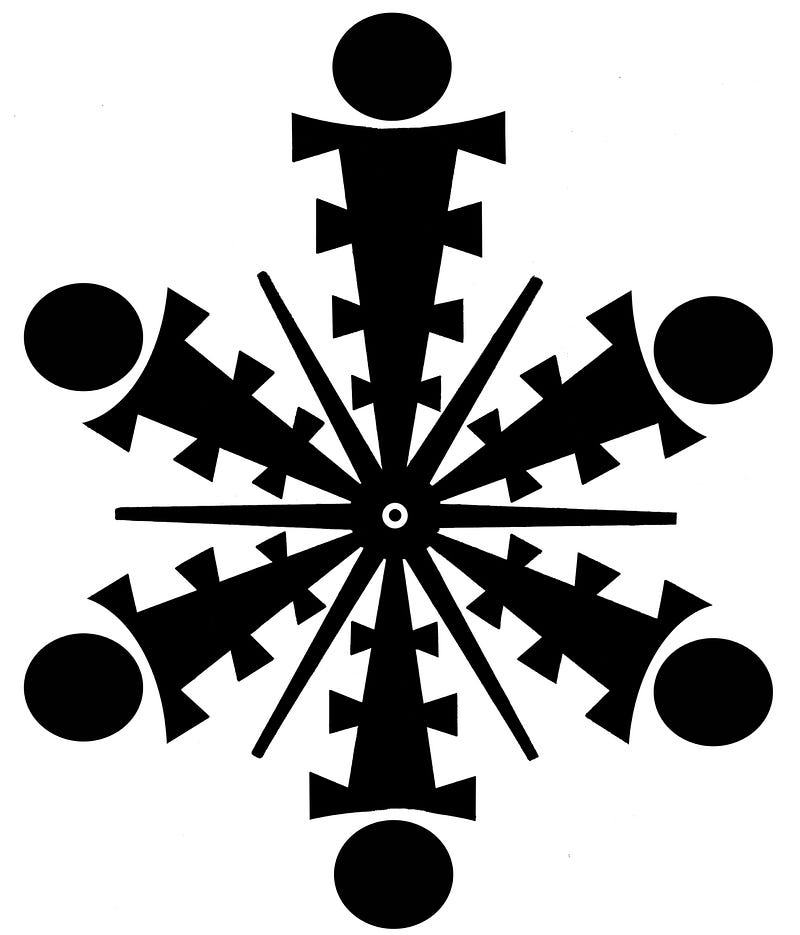
The chart, which dates back to the 15th century, is believed to have originated in Tibet and has become widely used in integrative mental health care. This ancient tool is a form of self-care that can help us to better understand our own emotions, thoughts, and behaviors. It provides insight into how we process and respond to stress, as well as how we can best take care of ourselves.
Okay, so how does it work, and how can it help your mental health care routine?
How the Tibetan Eye Chart Works
The Tibetan Eye Chart is a visual representation of nine different chakras or energy centers located in the body. Though it doesn’t look like the ascending rainbow colors you may associate with the chakras. Each chakra is associated with specific emotions, thoughts, physical traits, and behaviors. When viewing the Tibetan Eye Chart, observers can identify which chakra they may be struggling with by looking for signs such as tension or pain in their bodies or feeling overwhelmed or anxious about a particular issue. For example, if you’re feeling overwhelmed by stress from work or school, then you might be having difficulty with your third chakra — the one associated with personal power and confidence.
Benefits of Using the Tibetan Eye Chart
Integrating the Tibetan Eye Chart into your mental health care routine can offer several benefits. Firstly, it encourages self-reflection and helps individuals identify patterns which may be contributing to their emotional distress. By understanding how certain emotions are linked to specific physical sensations or behaviors, individuals can begin to recognize these patterns more easily and take steps to address them positively. Additionally, using the chart also allows individuals to develop an awareness of their own emotional needs and boundaries so they can better manage difficult moments when they arise.
There are some supercool and interesting overlays here with Brainspotting and neuroplasticity.
& there are some cutting-edge practitioners exploring well-being and the visual field, particularly after TBIs, but also with several other chronic conditions. Researchers — connect with me if this is your field! We need more research!
The Tibetan Eye Chart offers an interesting approach to integrative mental health care. It can help individuals gain insight into their own experiences while finding strategies for managing difficult moments more effectively. Of course, no single tool will provide all the answers for everyone’s unique mental health needs. However, this ancient technique could be worth exploring if you are looking for new ways to promote self-care and well-being during times of stress or difficulty.
Follow me on LinkedIn, read more of my articles with BRAINZ Magazine, and visit my website for more info!