FOODIE LIFE
Have You Ever Mixed the Tastes?
Is it just me?
I’ve been thinking about it lately.
Is it just me who…
Mixes a little bit of..
coffee in a Banana Milk Shake?
yogurt in an Apple Smoothie?
fruits in an Ice Cream?
Cinnamon in Tea?
Cardamom in Karak Chai?
Lemon to the Rice?
Tomato Sauce to your curry?
Melting Vanilla or Choco Chip Ice cream on top of Brownies in a Microwave? that’s a personal fav’ and my own recipe though ;)
a little bit of extra salt to the Fries?
a little bit of Mangoes to Cream?
a little extra sugar in Coffee? ;)
A Cronut? A cake in a Donut.
.. or some chocolate in your coffee?
“All you need is love. But a little chocolate now and then doesn’t hurt.” ― Charles M. Schulz

We all are scientists in our own kitchen aren’t we? Wearing aprons as lab coats and knives instead of glass spatula. And hair tied behind to stop them mixing in our ice cream when we taste it before serving. A little bit of experimentation sure brings out that flavor our taste buds have been craving for a while. What we cook with our hands is always something special to cherish.
Cooking is a relaxing process as per se. For me its a form of meditation in itself. After a day of eyes and knuckles tired from using the laptop, dipping your fingers in white powdery flour and pouring water on top making a smooth Plasticine of dough. Or slicing a soft juicy Melon. Or squeezing a lemon.
“Pull up a chair. Take a taste. Come join us. Life is so endlessly delicious.”― Ruth Reichl

Coming Back to Science. Debunking some myths:
Myth: Avoiding Mixed Foods
Afraid of combining fat, carbs and proteins? Evolution happened on a diet of whole foods, which almost always contain some combination of carbs, protein and fat. So it is safe to eat a combination of carbs, fat and protein. Besides even lean meat contains some fat, although its considered protein food. The enzymes Pepsin and Lipase can take care of protein and fat, both. Therefore, there’s no need to worry that your body will have to choose between protein and fat or starches and proteins. In fact, we are very prepared for this type of multitasking.
“There are people in the world so hungry, that God cannot appear to them except in the form of bread.” ― Mahatma Gandhi
Myth: Acidic vs Alkaline
Eating foods that are more alkaline or acidic does not significantly change the pH of your insides. Your body has several ways of keeping the pH of each part of your tummy in check and in the correct range. Different levels of acidity are well controlled by the body’s own sensors by releasing G.acid to lower pH and Bicarbonate to raise pH value. If you eat a very acidic or alkaline meal, your body will simply add more or less digestive juices in order to achieve the necessary pH level. So don’t worry about that!
“Let food be thy medicine and medicine be thy food.” ― Hippocrates, Greek physician of the Age of Pericles, Father of Western Medicine.
Myth: Microorganisms
A little note on the science of combining a fast-digesting food with a slow-digesting food. A common myth is that fermentation might occur when microorganisms in your tummy start to attack food. This is not the reality because the stomach maintains such an acidic pH that your food is essentially sterilized and almost no bacteria can survive. Some fermentation might happen in last phases :P but that been linked to health benefits such as reduced inflammation, improved blood sugar control and a lower risk of cancer.
So…. enjoy your experiments ;)
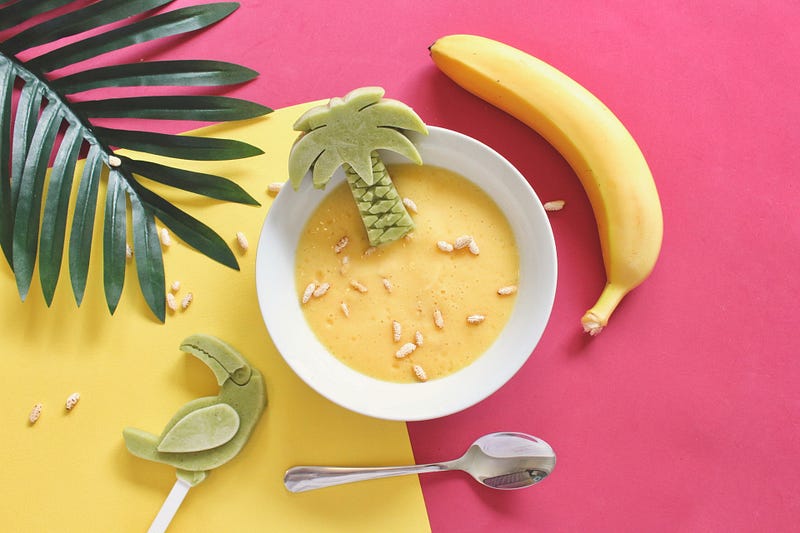
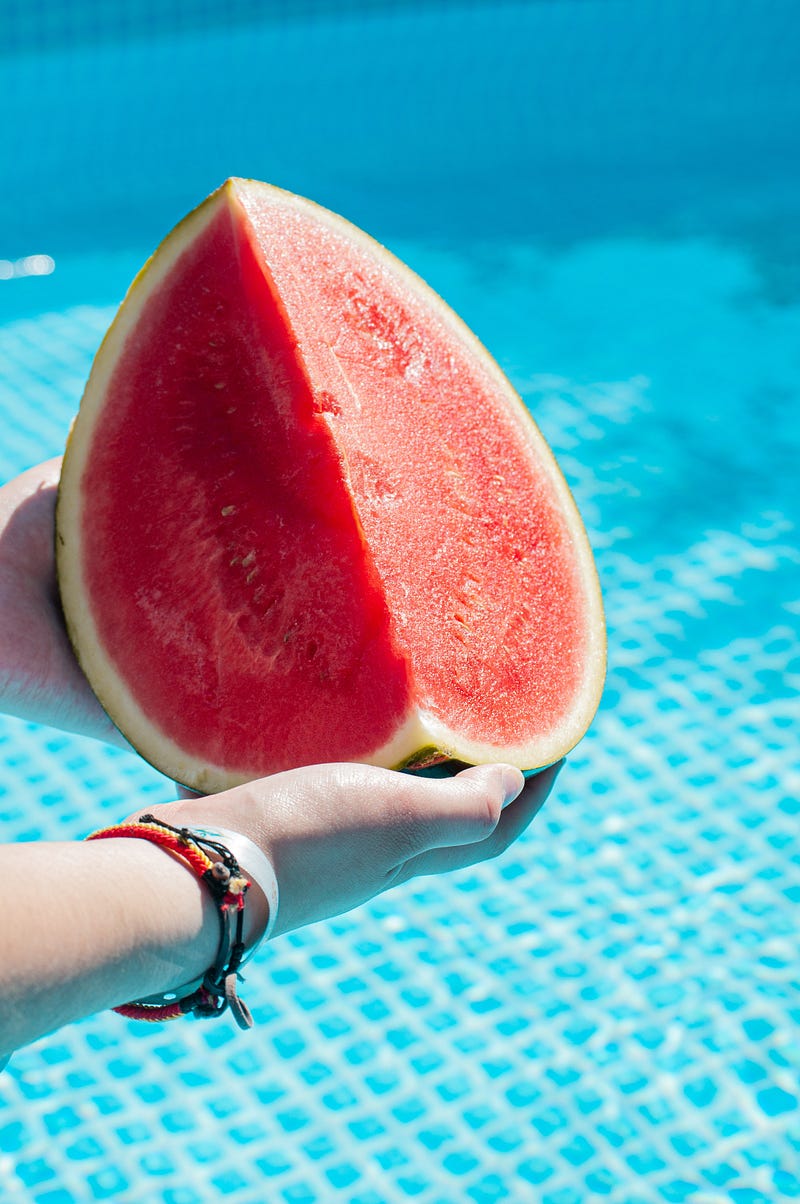
“If more of us valued food and cheer and song above hoarded gold, it would be a merrier world.” ― J.R.R. Tolkien
“One cannot think well, love well, sleep well, if one has not dined well.” ― Virginia Woolf


