
Have You Ever Heard of the Hina-matsuri?
The Importance of Small Events for Shaping Culture
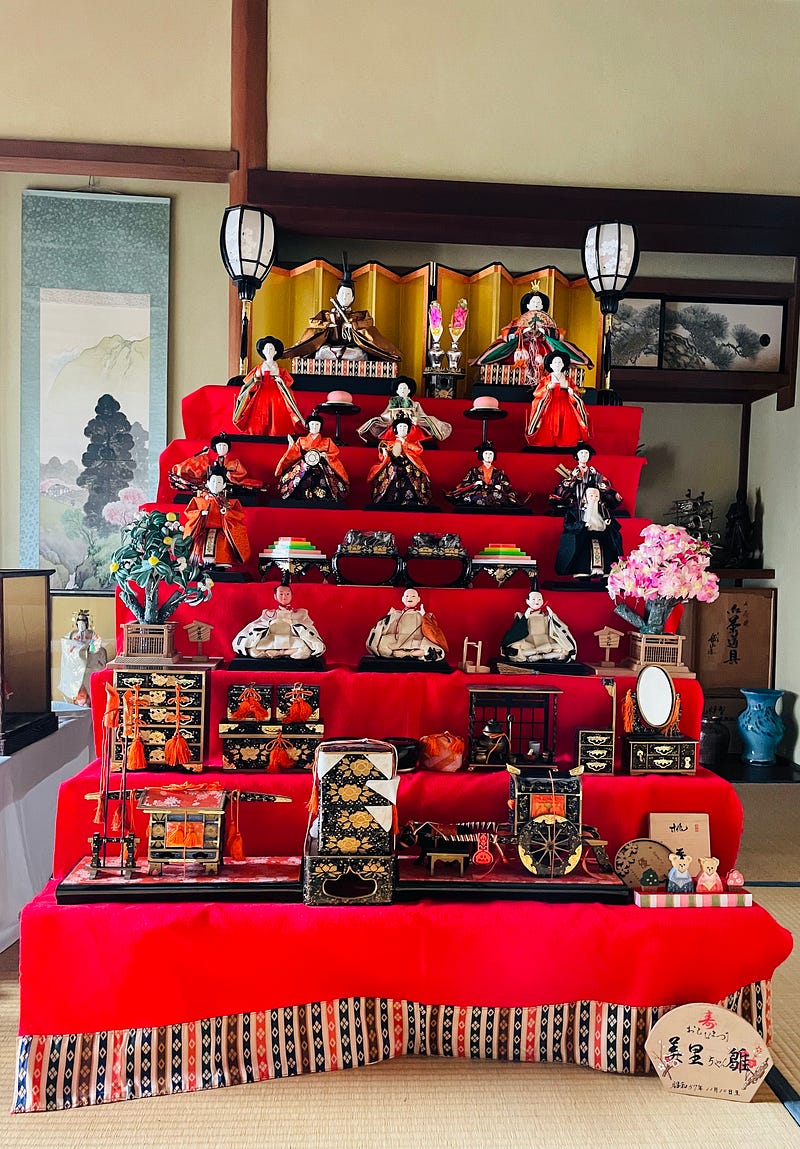
Hina-matsuri 雛祭り, literally “Doll Festival”, is an event that every family with a little girl experiences in Japan. I didn’t even know about it before I had my own daughter.
Originating in ancient Japanese culture, it also represents current Japanese cultural values.
Reflecting on the origins, symbolism, and contemporary relevance of this event provides insights into Japanese history and contemporary Japanese culture.
A Historically Rooted Event
Japan lives to the rhythm of festivals (matsuri 祭り), part of the Shintō religion. The Hina-matsuri doll festival on March 3 is dedicated to little girls.
It consists of richly dressed dolls (hina ningyō 雛人) representing the Heian period (794–1185) court that are brought out of their paulownia boxes where they sleep for most of the year.
The earliest record of dolls being used during this festival dates back to 1625 with Okiko 興子, the daughter of Emperor Gomizunō (Gomizunō tennō 後水尾天皇).
The ladies of the imperial court provided her with accessories for playing with dolls (hina asobi 雛遊び).
After Okiko succeeded her father as Empress Meishō (Meishō tennō 明正天皇), Hina-matsuri became the official name of the festival.
Nowadays, it is a ritual designed to protect against evil spirits and to ensure the well-being and happiness of young girls.
A Mirror of Social Representations
Hina-matsuri is also a powerful way of sharing social representations and shaping social perceptions of gender roles and expectations.
Historically, the festival emphasized the cultivation of desirable feminine traits and the transition of young girls into adulthood.
The practice of handing down dolls from one generation to the next highlights the continuity of family traditions and the role of women as custodians of cultural heritage.
However, the festival’s emphasis on girls has sparked discussions about gender equality and inclusivity in contemporary society, prompting efforts to redefine its relevance beyond traditional gender norms.
A Way to Convey Culturally Shared Views
Hina-matsuri continues as a family event as well as a festival that varies from community to community.
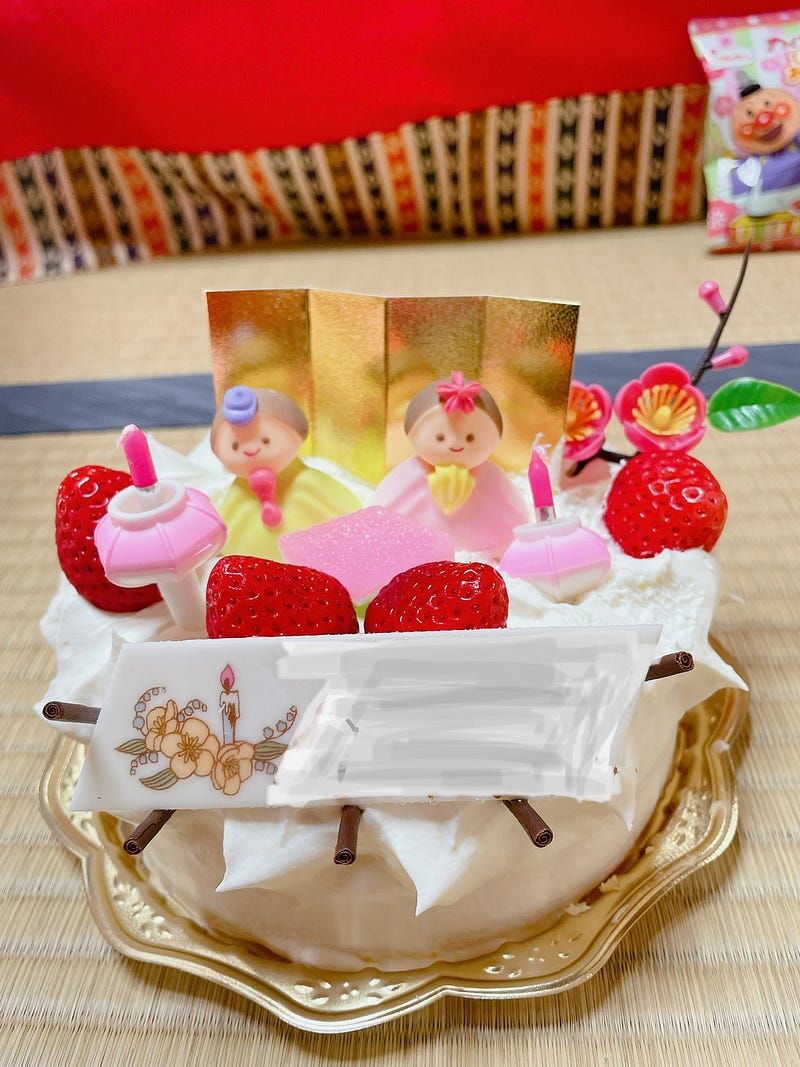
Communities across Japan participate in a variety of activities, including exhibitions, performances, and culinary experiences to commemorate and share the meaning of the festival.
The preservation of this festival serves as a way to transmit certain world views about family structure from one generation to the next, to cultivate a relationship with Japan’s history, and to maintain an attachment to the imperial system.
In other words, the whole festival contributes to the sharing of social representations that eventually became part of the personal identity of the Japanese people.
A Happy Family Event That Brings Together Different Generations
It is easy to criticize such a cultural event from the outside, but what happens when you experience it from the inside? I must say that as a family event it is a happy one:
- One where little girls are considered the little princess of the family.
- One in which you eat special food for such celebrations.
- One where two or three generations of the family pray for the happiness of the young girls of the family.
It is, of course, a culturally inscribed tradition that contributes to the formation and reaffirmation of social representations.
But even more, it is a moment to express family solidarity, love for the last generation, and the gradual transmission of the responsibilities we have as part of a community, be it familial, local, national or global.
I will be sure to celebrate it with my family for years to come.
Thank you for taking the time to read. If you found value in it and would like to show your support, there are various ways you can do so, each of which I would sincerely appreciate.
- Please interact with this article by showing your support through claps, comments, and highlights.
- Consider subscribing to receive updates on my stories.
- If you appreciate my work, you can also support me by buying me a coffee!