
Have We Reached Peak Oil Production Yet? Understanding Global Oil Supply Changes
Peak Oil Forecasts and Scenarios — When It Could Happen and What Comes Next
Peak oil projections remain uncertain, but production declines could start within decades. Understand different post-peak scenarios and policies needed for managing the transition.
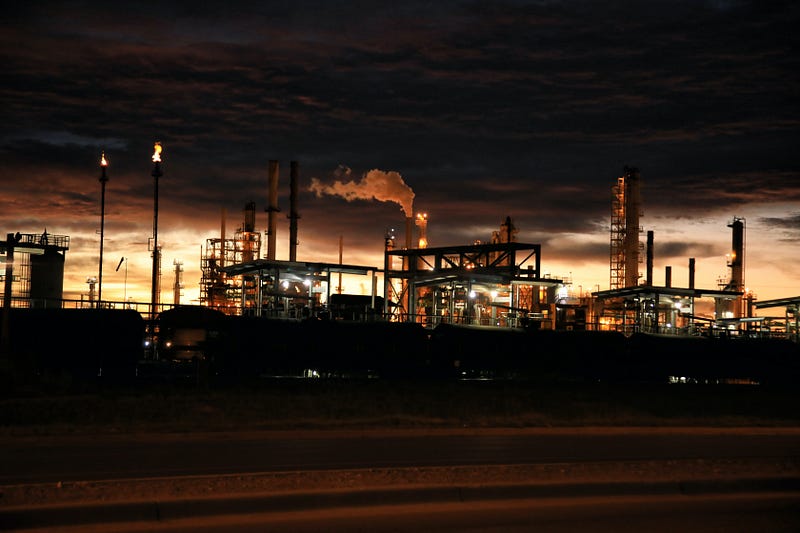
Oil has powered the modern industrial world for over a century. But with climate change and geopolitical tensions highlighting the drawbacks of fossil fuel dependence, many wonder if we’ve reached the point of maximum oil production.
What is Peak Oil?
Peak oil refers to the hypothetical point when global oil production reaches its maximum rate, before declining as reserves deplete. After this peak, oil supply struggles to keep up with demand, leading to potential shortages and price volatility.
The concept arose in the 1950s, when geophysicist M. King Hubbert accurately predicted US oil production would peak between 1965–1970. Since then, experts have debated when global peak oil could arrive.
Are We There Yet? The Debate on Peak Oil Timing
Predicting peak oil timing remains challenging. New discoveries and technologies that boost extraction have pushed back previous estimates.
- In 2010, the International Energy Agency (IEA) predicted conventional crude oil production peaked in 2006. But shale oil and tight oil production, made viable by fracking, helped increase global supply.
- In 2018, BP estimated peak oil production could happen between 2025–2040. OPEC has claimed peak oil won’t happen until after 2040.
- Other forecasts suggest we’ve already passed peak oil between 2005–2008. Supporters point to declining discoveries and lack of major new oil fields since the 2000s.
The COVID-19 pandemic also complicated analysis. Oil demand crashed in 2020 before rebounding, while supply chain issues have delayed new projects. This masks signals of peaking production.
Overall, no definitive peak has been identified yet. But many believe we are entering an era of greater uncertainty for oil supply.
Why Does Peak Oil Matter?
Whenever peak oil occurs, several energy security and economic challenges may arise:
- Supply crunch risk: As demand keeps rising but production plateaus, there is higher risk of oil shortages and price spikes. These shocks can disrupt economic growth.
- Geopolitical tensions: Remaining oil reserves will concentrate in fewer nations like Iraq and Saudi Arabia. This could escalate risks of global conflicts over securing scarce supply.
- Environmental impact: Extracting unconventional oils after peak oil is more complex, risky and energy-intensive. It can also worsen climate change and environmental damage.
- Transition uncertainties: Major new energy sources and efficiency gains will be needed to displace declining oil. The speed and stability of this transition is unclear.
While the timing remains debated, acknowledging peak oil forces countries to rethink energy strategies. The IEA advocates timely transition policies to avoid future supply crunches.
Factors That Could Shape the Peak
Peak oil timing will depend on counterbalancing forces influencing long-term oil supply and demand:
Factors that could delay peak oil:
- New discoveries: There are still opportunities for major new finds, especially offshore and in remote regions. In 2019, ExxonMobil announced a large discovery off the coast of Guyana.
- Oil sands & shale: Unconventional oils require more effort to extract but boost reserves. Canada’s oil sands hold the world’s 3rd largest oil reserves. US shale oil output nearly doubled between 2010–2020.
- Technology advances: Enhanced oil recovery via CO2 injection could extract up to 50% more from existing fields. Horizontal drilling and hydraulic fracturing also improve access to unconventional oils.
- Lower demand: Climate policies, renewable energy adoption, electric vehicles, and efficiency improvements could curb oil demand growth, delaying the peak.
Factors that could hasten peak oil:
- Limited discoveries: The rate of new discoveries has slowed since the 1960s. Existing fields also show natural decline rates around 5% per year as they mature.
- Extraction challenges: Unconventional oils bring higher production costs, technical difficulties, and environmental risks. This could limit viability and growth.
- Political instability: Supply disruptions in key exporter nations like Iraq and Libya introduce volatility. This may hasten peak supply.
- Environmental limits: Concerns over climate change, pollution, and ecosystem damage could spur restrictions on high-cost, high-risk oil production like Arctic drilling.
- Accelerating transition: More aggressive climate policies and clean energy advances could substantially curb long-term oil demand, bringing forward peak production.
Other wildcard factors:
- Economic ripple effects: Recessions tend to temporarily depress oil demand, while strong growth spurts increase it. These macroeconomic shifts can influence peaks.
- Geopolitical events: Wars,trade disputes and political turmoil involving key oil producers and users add uncertainty to supply and demand.
- Pandemics and disruptions: Global health crises like COVID-19, plus other disasters, demonstrate how rapidly oil dynamics can change.
With so many unknowns, most experts hesitate to pin down a precise peak oil date. But the window when supply challenges may emerge appears to be narrowing.
What Happens After the Peak? Three Scenarios
Peak oil will likely arrive before oil is fully phased out. What unfolds after the peak depends on mitigating measures taken beforehand. Analysts propose different post-peak scenarios:
1. Supply Crunch Crisis
In this worst-case view, peak oil causes persistent shortages, extreme price volatility, and economic turmoil. Unprepared economies struggle to adapt as oil dependency exposes vulnerability. The transition to alternatives happens chaotically.
This scenario provides urgency for early transition policies. But it is also considered less likely now, as market responses provide some buffer against prolonged crunches.
2. Precarious Plateau
Oil production hovers at a plateau for years before declining gradually. Prices stay elevated but not disastrously so. Oil still retains a large market share by 2040–2050 before fading.
The plateau allows more time for adaptation. But markets remain tight, with high costs and volatility risk from any supply disruptions. Energy security policies still require acceleration.
3. Managed Decline
Forward-looking strategies enable a controlled wind-down of oil dependence as alternatives grow. Though supply constraints emerge post-peak, efficient vehicles, government planning, and climate policy moderates the impact through the transition.
While optimistic, this scenario depends on many technologies and behaviors moving in the right direction in coming years. But it underscores the importance of preparing for peak oil rather than waiting for it.
Policies That Could Smooth the Transition
Whether peak oil looms near or far, governments and companies can enact measures to minimize disruption:
- Support steady research, development and adoption of renewable energy, EVs, and efficiency gains in buildings, manufacturing and transportation. These lessen oil dependence long-term.
- Continue enhancing oil recovery from existing reserves to compensate for declining new discoveries. This avoids premature depletion.
- Diversify energy supply by increasing low-carbon sources like natural gas, nuclear, biomass, and renewables. This reduces risk from oil volatility post-peak.
- Develop coordinated strategic petroleum reserves and supply redundancy to buffer against oil shocks or shortages.
- Enact vehicle fuel economy standards to curb oil demand growth.
- Provide incentives for consumers to choose energy-efficient options and reduce oil usage.
- Strengthen regional energy cooperation and trade integration to better match supply and demand.
- Reform fiscal policies like carbon pricing and fossil fuel subsidy phaseouts to reflect environmental impacts and discourage overconsumption.
- Prioritize economic development that improves resilience and adapts to more expensive oil.
Peak Oil Requires Balanced Preparation
Predicting peak oil timing remains difficult due to market complexities. But many signs point to supply challenges emerging within decades that could test current energy systems. While the worst crisis scenarios are avoidable, prudent policy preparation is vital to ease the transition.
With sensible measures enacted early, the post-peak era may be one of transformation more than catastrophe — an opportunity to build more sustainable economies no longer constrained by finite oil resources. But the time to lay the foundations is now.
🌟👏 Boost Your Productivity with Cutting-Edge Computing! Buy New Or Used Laptops & Netbooks On EBAY ✨😊
Affiliate links was used in article. claude help with this article.
Purchases via my affiliate link support further informative content.
References:
- Peak Oil Definition — International Energy Agency
- 2010 IEA Forecast — The Guardian
- 2018 BP Forecast — BP Energy Outlook
- OPEC Forecast — OPEC World Oil Outlook
- Evidence Supporting Earlier Peak — University of Michigan
- Exxon 2019 Discovery — Exxon Mobil
- Canada Oil Sands Reserves — Natural Resources Canada
- US Shale Oil Growth — US Energy Information Administration
- Enhanced Oil Recovery — International Energy Agency
- Horizontal Drilling & Fracking — US Energy Information Administration
- Natural Oil Field Decline Rates — ScienceDirect
- Price Volatility Risks — International Energy Agency
- Climate Policy Impacts — McKinsey & Company