
Havana Is Still Colourful In My Dreams
Even if its current reality is sadly far more black-and-white
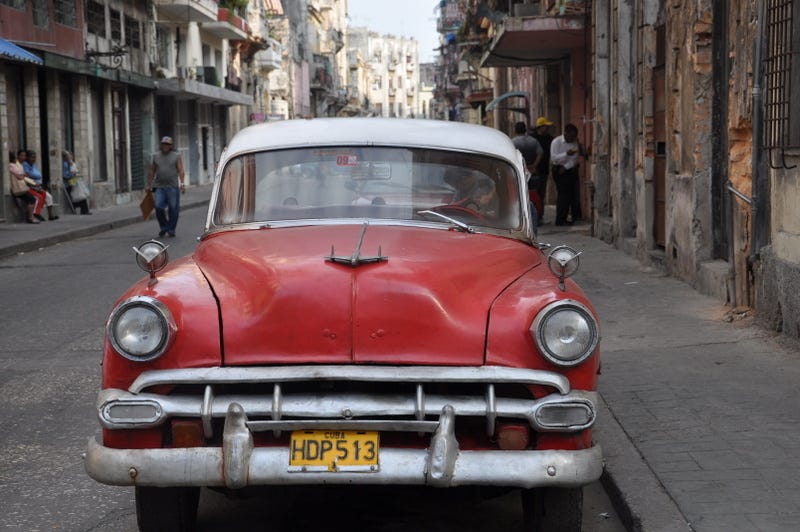
Every now and again, I allow myself to dream of Havana.
I don’t do it often as it makes me sad. My decade in Havana (2012–2021) was lived in such colour; it makes the memories more vivid somehow.
I remember taking the elevator down the five stories to leave our apartment building. Often, we’d meet neighbours on the way and chat to them a little. Perhaps, we’d see the caretaker by the front entrance and my husband would always stop for a chat.
Cubans are never in too much of a hurry to chat; time is abundant.
I notice this more now we live elsewhere.
Outside of Cuba, time is money. Time is less elastic.
In my dreams, I stroll down to the Malecon to catch the sea breeze and get some exercise.
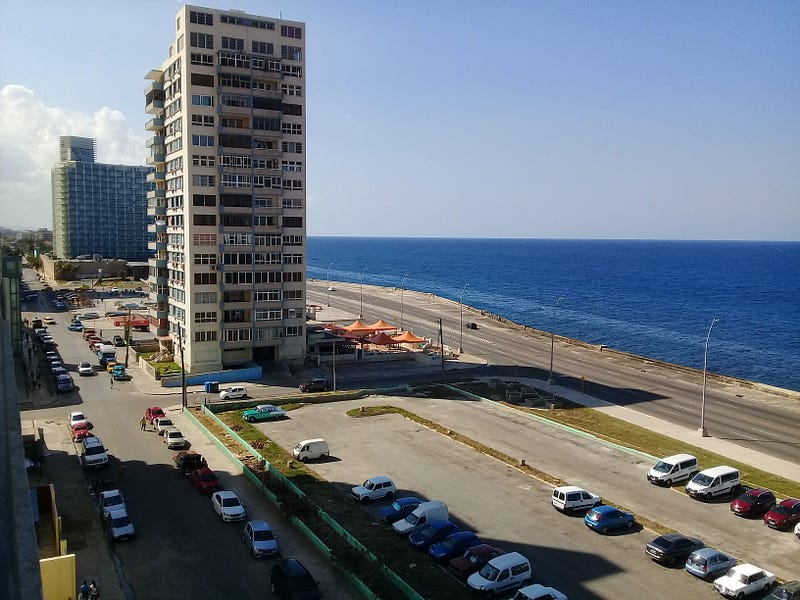
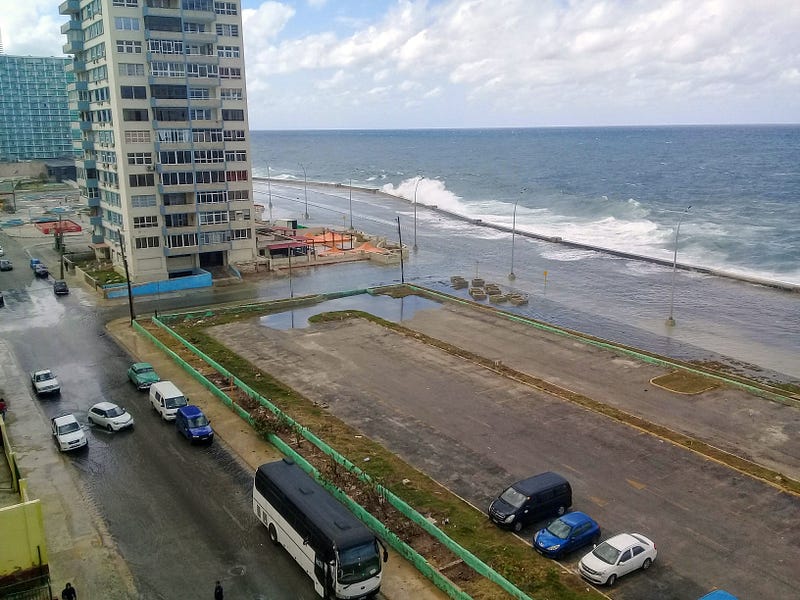
Before having my baby, I liked to go running on the famous seafront Malecon, but it wasn’t as idyllic as it sounds. Running from my neighbourhood of Vedado, you could see views of Central Havana as it swept around the bay, but mostly you had to watch the pavement up ahead, so full of potholes as to make running pretty hazardous.
On days of wind and some sea spray, you’d have to choose between running for a dangerous moment on this high-speed urban highway across the city, or get drenched as waves came breaking over the sea wall.
It was common to see foreigners staying in the seafront hotels going to the Malecon for photos and then whooping with delight or distress as they realised how high and powerful the waves could be.
Playing The Foreigner Card
With the heat beating down outside, the lobbies of Havana’s five-star hotels were a relief, and sometimes a refuge for me to escape the harsh realities of Cuban daily life.
My husband, an Afro-Cuban, had rarely entered these places.
They were palaces designed to please international tourists, and Cubans could not afford the prices. Black Cubans, particularly, suffered most from these policies as their colour always led to a presumption they were Cuban and therefore a non-hotel guest.
Until 2008, Cubans were not allowed in Cuba’s tourist hotels at all, but even after that, they could expect to be treated with some discrimination.
I lived a life somewhere between being a tourist and married to a local.
I had enormous privilege in Cuba compared to my Cuban family and friends. I could move around as I pleased, sneak into hotel swimming pools by acting as one of the guests, fly to Miami or Cancun when I wanted to stock up on food, clothing, electronics, and enjoy some fast wifi and a change in cuisine.
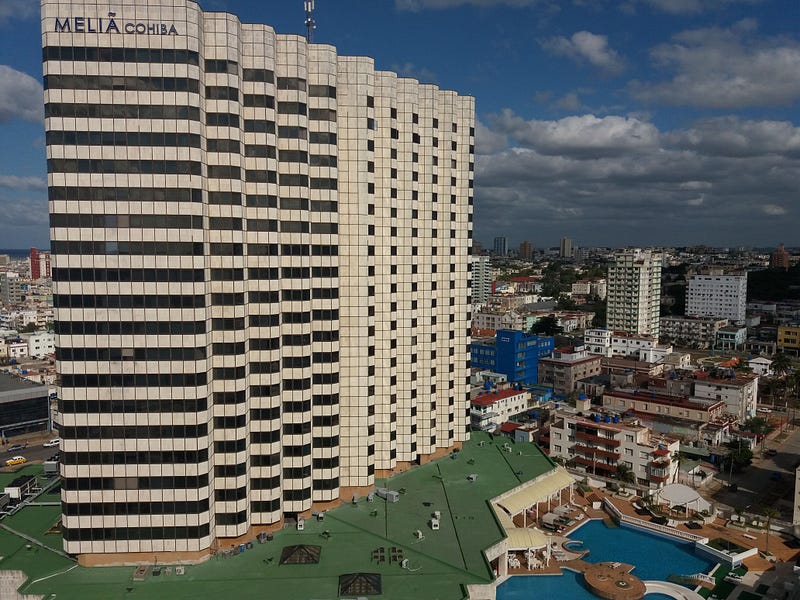
When Loren was little, I loved to take her into the Melia Hotel lobby, just minutes from our home.
As a tour leader, I’d spent many a day in there, greeting guests, giving briefings, organizing cocktails, and scheduling meetings.
But then President Trump came to power in the US and Cuba tourism began to die a death.
The president of the largest ‘democracy’ in the world, banned his own people from visiting Cuba. Group travel was banned. So were visits by cruise liners or private yachts.
I took Loren, aged 18 months, to see the last cruise leaving Havana.
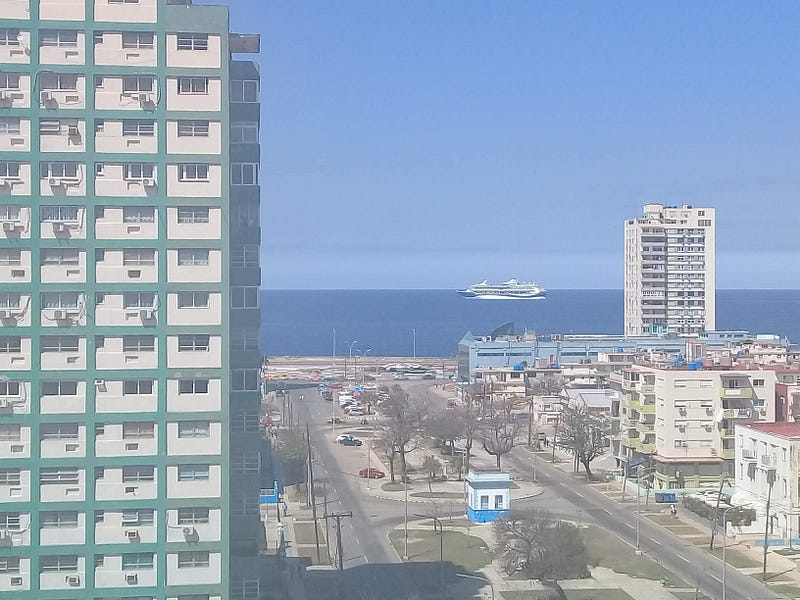
My tour work dried up and I focused on being a Mum.
A year later we were deep in Covid lockdown.
When you marry a Cuban, you marry the whole family
My Cuban family benefited from my privilege and I was happy to help. I found things on my travels they needed, took them out for meals, supplied the (expensive-for-them) beer at family gatherings.
Cubans share what they have and my husband would rarely have been comfortable going out for a lovely meal with me knowing that everyone else was eating beans and rice..again.
My money was better spent on food to prepare at home.
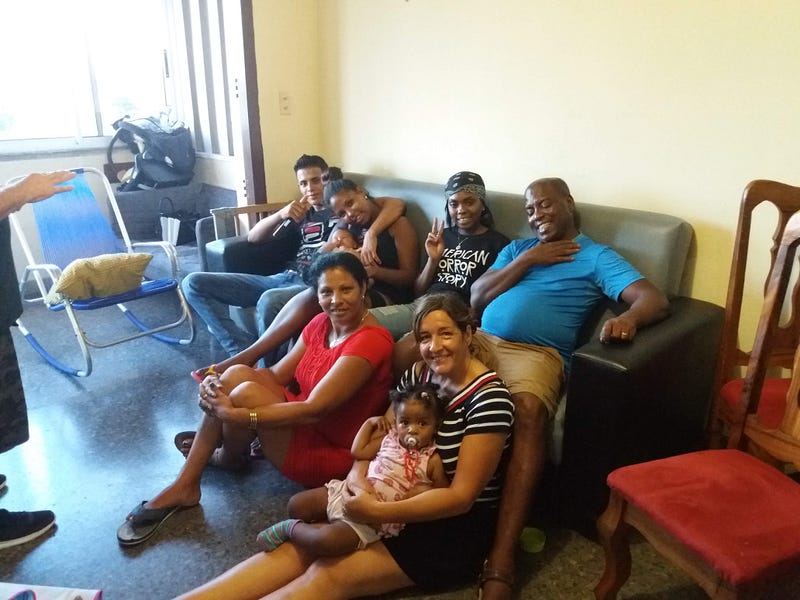
The family would all come over one Sunday, one would stand in line somewhere to fill up plastic bottles with beer at a local pump and my husband would spend the day cooking, talking and drinking rum.
My daughter would be surrounded by family, music and dancing, and I would get a break from being a Mum. We managed a couple of such parties during breaks in lockdown, and this is what I miss most about our lives back there.
You’re never alone in Cuba
Someone was always knocking on our door. Maybe it was the caretaker who came to talk to my husband or deliver the ration book groceries (we pay him a weekly stipend so he would queue up to collect the food we were given by the government).
Sometimes it was a black market seller with offers of fish, lobster, potatoes, eggs, and chicken. All these things were hard or impossible to come by in the government stores.
Here in Spain, no one comes knocking on our door.
Not unless it’s the Amazon man or the neighbour from downstairs who came to complain about the noise from our flat. We are good neighbours, but our child is lively, and on Sundays, we dance a little salsa, just the three of us.
We have to keep the Cuban culture alive, but it’ll never be the same.
Thanks for reading.
If you’d like to read some of my other stories, plus thousands of others on Medium, why not subscribe? Part of your subscription will help writers on Medium.
Just hit the link: https://juliegilders.medium.com/membership
Gracias!


