avatarHolly Jahangiri

Free AI web copilot to create summaries, insights and extended knowledge, download it at here

1868

Abstract

          <div><p>medium.com</p></div>
          </div>
          <div>
            <div style="background-image: url(https://miro.readmedium.com/v2/resize:fit:320/1*BjJQV30W5ue_ms9q990ClQ.jpeg)"></div>
          </div>
        </div>
      </a>
    </div><p id="0cab">When I worked as a freelance writer, I built a reputation for being able to “rescue” a project or publication at the proverbial 11th hour, often when a previous writer had failed to deliver product due to crippling insecurities or inability to meet deadlines. I could write quickly and competently, on topic, within the editorial parameters for word count and with few, if any, grammatical errors. Work for hire rarely requires lasting literary merit; however, it <i>should </i>make the editor’s life easier.</p><p id="73d7">The general rule was to write <i>slightly </i>over the required number of words, to give the editor “wiggle room.” As we moved from print to pixels, word count became less of a requirement to fill space of particular dimensions and more a question of capturing the reader’s interest and holding their attention.</p><p id="ad54">Written words now compete with the seven-second sound bite, videos, and graphics.</p><div id="5257" class="link-block">
      <a href="http://www.medialit.org/reading-room/birth-sound-bite">
        <div>
          <div>
            <h2>Birth of the Sound Bite</h2>
            <div><h3>One of the most dramatic changes in television reporting has to do with the way statements by the president and other…</h3></div>
            <div><p>www.medialit.org</p></div>
          </div>
          <div>
            <div style="background-image: url(https://miro.readmedium.com/v2/resize:fit:320/0*F3xE8i2fXOFb2blE)"></div>
          </div>
        </div>
      </a>
   

Options

</div><p id="2dc7">But many people still prefer to read the written word — to think, to savor and digest new ideas, and to respond to them in kind.</p><p id="98b5">Some people prefer audio books and video, but those of us who read exponentially faster than the average speaker speaks have little patience for YouTube and Vimeo— we want to get past the rambling introduction and straight to the heart of the matter.</p><div id="4101" class="link-block"> <a href="https://jahangiri.us/2013/reading-speed-or-why-i-avoid-video-blogs/"> <div> <div> <h2>Reading Speed, or Why I Avoid Video Blogs</h2> <div><h3>Reading vs. Speaking In the Forbes article, "Do You Read Fast Enough To Be Successful?" Brett Nelson explores the…</h3></div> <div><p>jahangiri.us</p></div> </div> <div> <div style="background-image: url(https://miro.readmedium.com/v2/resize:fit:320/0*sDmryVJOBoYndaHu)"></div> </div> </div> </a> </div><p id="9b9b">For us, video is for visual content and purely passive entertainment — not for learning how to do something we could learn ten times faster from a book.</p><p id="6622"><b>Medium </b>is the perfect medium for this.</p><p id="1a53">A few years ago, the “slow blogging movement” appeared, and I thought, “Hallelujah!” Despite demand for constant, streaming, “snackable” content, there is still a market for writing that is meant to be more slowly enjoyed. Some of us write both; one is not “better” than the other, though each is suited to a different purpose.</p><p id="7b3d">That’s not permission to publish hastily edited drivel, but it should give more leisurely, long-form writers hope in a snackable world seemingly dominated by short attention spans.</p></article></body>

Readers Deserve Better

Haste Makes Waste

Quantity vs. Quality: It Doesn’t Have to Be a Trade-off
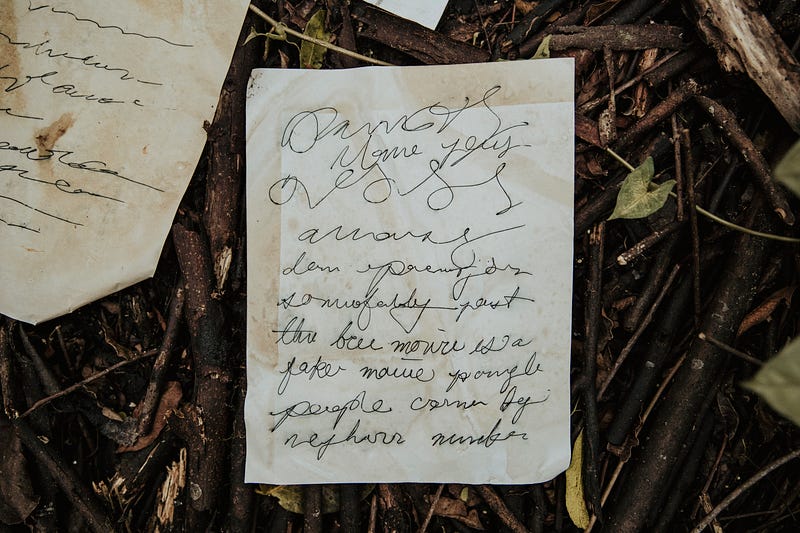
Photo by Amaury Gutierrez on Unsplash

Blogging and self-publishing have given every voice a platform. For writers, especially, this is heady stuff. For freelance writers, the ability to produce content that meets the buyer’s needs, regularly, on time, and within budget is crucial. But readers deserve better than mere “time to market” writing, and writers would do well not to trash their own reputations by churning out words without valuing their readers’ time. Quality matters.

When I worked as a freelance writer, I built a reputation for being able to “rescue” a project or publication at the proverbial 11th hour, often when a previous writer had failed to deliver product due to crippling insecurities or inability to meet deadlines. I could write quickly and competently, on topic, within the editorial parameters for word count and with few, if any, grammatical errors. Work for hire rarely requires lasting literary merit; however, it should make the editor’s life easier.

The general rule was to write slightly over the required number of words, to give the editor “wiggle room.” As we moved from print to pixels, word count became less of a requirement to fill space of particular dimensions and more a question of capturing the reader’s interest and holding their attention.

Written words now compete with the seven-second sound bite, videos, and graphics.

But many people still prefer to read the written word — to think, to savor and digest new ideas, and to respond to them in kind.

Some people prefer audio books and video, but those of us who read exponentially faster than the average speaker speaks have little patience for YouTube and Vimeo— we want to get past the rambling introduction and straight to the heart of the matter.

For us, video is for visual content and purely passive entertainment — not for learning how to do something we could learn ten times faster from a book.

Medium is the perfect medium for this.

A few years ago, the “slow blogging movement” appeared, and I thought, “Hallelujah!” Despite demand for constant, streaming, “snackable” content, there is still a market for writing that is meant to be more slowly enjoyed. Some of us write both; one is not “better” than the other, though each is suited to a different purpose.

That’s not permission to publish hastily edited drivel, but it should give more leisurely, long-form writers hope in a snackable world seemingly dominated by short attention spans.

Quality
Quantity
Editing
Editorial Needs
Respect Readers
Recommended from ReadMedium