avatarTia Merotto

Free AI web copilot to create summaries, insights and extended knowledge, download it at here

1434

Abstract

their original form.</p><p id="e265">Take açaí, for instance. Typically sold as a freeze-dried powder or in juice form, much of the açaí we find in our supermarkets contains added sweeteners and preservatives that go unnoticed.</p><figure id="d452"><img src="https://cdn-images-1.readmedium.com/v2/resize:fit:800/1*sQwWjrqT3VbhBI0YknjvNQ.jpeg"><figcaption>Image by <a href="https://pixabay.com/users/ellaolsson-9853867/?utm_source=link-attribution&amp;utm_medium=referral&amp;utm_campaign=image&amp;utm_content=3613793">Ella Olsson</a> from <a href="https://pixabay.com//?utm_source=link-attribution&amp;utm_medium=referral&amp;utm_campaign=image&amp;utm_content=3613793">Pixabay</a></figcaption></figure><p id="7931">Could our well-intentioned obsession with superfoods be doing us more harm than good? Are better, simpler alternatives hidden right under our noses?</p><p id="7122">“Superfood,” it’s worth noting, is not a scientifically recognized term. Though it makes for a strong marketing strategy, there is no set definition for what qualifies as a superfood- many superfood products are actually heavily processed, containing added sugars, preservatives and artificial ingredients which can negate the health benefits of the food in question.</p><p id="c8da">This rapidly-expanding culture of processed superfood products and supplements perpetuates a mindset that we must constantly seek out external sources for our health.

Options

In reality, all that good nutrition requires is a balanced and varied diet of whole, unprocessed foods. Nutrient-dense whole foods (ones we can name and recognize) provide us with all the vitamins, minerals and antioxidants we need, without relying on expensive supplements or fad diets.</p><figure id="95e5"><img src="https://cdn-images-1.readmedium.com/v2/resize:fit:800/1*3rMfkV5eNKIJgxmsYafx5w.jpeg"><figcaption>Image by <a href="https://pixabay.com/users/igorovsyannykov-6222956/?utm_source=link-attribution&amp;utm_medium=referral&amp;utm_campaign=image&amp;utm_content=3105629">Igor Ovsyannykov</a> from <a href="https://pixabay.com//?utm_source=link-attribution&amp;utm_medium=referral&amp;utm_campaign=image&amp;utm_content=3105629">Pixabay</a></figcaption></figure><p id="28d6">Let’s not forget the environmental impact of processed food items, either. That superfood smoothie kit requires more plastic packaging than selection of whole fruits (hopefully). Production and transportation methods can have a heavy footprint, too.</p><p id="27ec">Falling for the seduction of overly-processed superfoods not only drains the bank — it might not be worth it. We would all be better off striving for simplicity and sustainability in our food choices, incorporating nourishing whole foods into our diets. They can be just as exciting as their brightly-branded neighbors, and are better for us in the long run.</p></article></body>

Has Our Superfood Obsession Gone Too Far?

Whenever I return to U.S. grocery stores after an extended period of travel, I find I am particularly prone to the allure of expertly-branded superfoods. The bright packaging, bold claims and promises of easy health fixes are hard to resist. I’m far from alone in this — the global superfoods market is expected to reach a staggering $209.1 billion by 2026.

Image by Jeremy Smith from Pixabay

The term “superfood” was coined over a century ago, but has only recently become a buzzword in the health and wellness industry. Grocery store shelves today are lined with sprawling assortments of superfood products that promise a wide range of benefits, from increased energy and weight loss to improved immunity and longevity.

In their natural state, most (if not all) of these ingredients do contain a high density of nutrients. Yet many processed versions are a far cry from their original form.

Take açaí, for instance. Typically sold as a freeze-dried powder or in juice form, much of the açaí we find in our supermarkets contains added sweeteners and preservatives that go unnoticed.
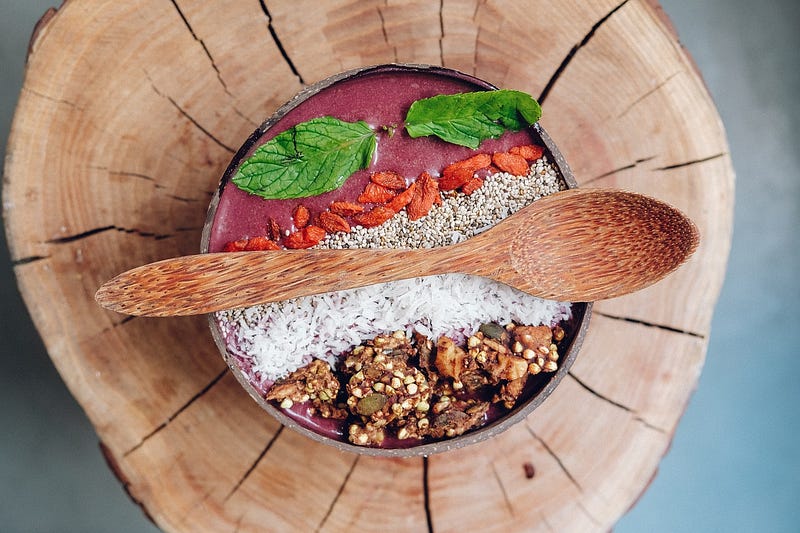
Image by Ella Olsson from Pixabay

Could our well-intentioned obsession with superfoods be doing us more harm than good? Are better, simpler alternatives hidden right under our noses?

“Superfood,” it’s worth noting, is not a scientifically recognized term. Though it makes for a strong marketing strategy, there is no set definition for what qualifies as a superfood- many superfood products are actually heavily processed, containing added sugars, preservatives and artificial ingredients which can negate the health benefits of the food in question.

This rapidly-expanding culture of processed superfood products and supplements perpetuates a mindset that we must constantly seek out external sources for our health. In reality, all that good nutrition requires is a balanced and varied diet of whole, unprocessed foods. Nutrient-dense whole foods (ones we can name and recognize) provide us with all the vitamins, minerals and antioxidants we need, without relying on expensive supplements or fad diets.
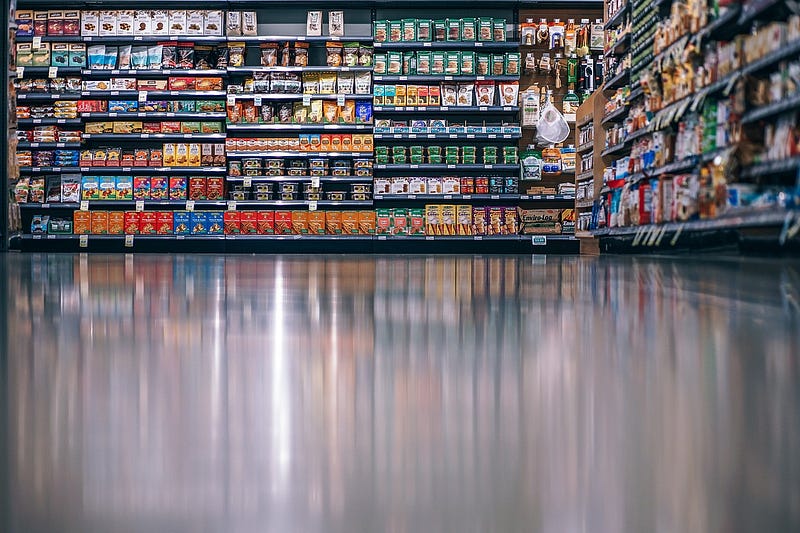
Image by Igor Ovsyannykov from Pixabay

Let’s not forget the environmental impact of processed food items, either. That superfood smoothie kit requires more plastic packaging than selection of whole fruits (hopefully). Production and transportation methods can have a heavy footprint, too.

Falling for the seduction of overly-processed superfoods not only drains the bank — it might not be worth it. We would all be better off striving for simplicity and sustainability in our food choices, incorporating nourishing whole foods into our diets. They can be just as exciting as their brightly-branded neighbors, and are better for us in the long run.

Health
Nutrition
Superfoods
Diet
Wellbeing
Recommended from ReadMedium