
Harry Potter and the Secret Subtext
A subtle theme it’s easy to miss in the novels
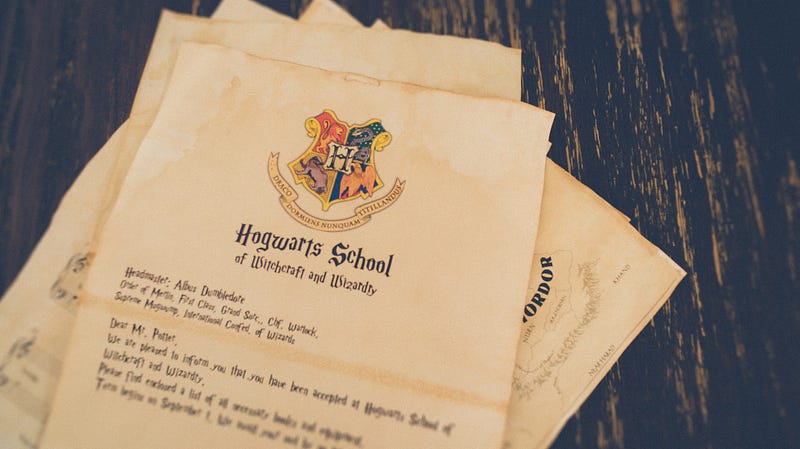
Charlotte Alter raises an interesting question in her new book about millennials: Were millennials shaped by Harry Potter, or did they shape him?
The answer might seem obvious: Of course, J.K. Rowling influenced millennials, and not vice versa. If it weren’t true, millennials wouldn’t have packed bookstores at midnight, or joined the 300 Quidditch teams that Alter says exist at high schools and colleges.
But it’s not that simple, as Alter sees it. She argues that for millennials, Harry represented an escape from the pressures of being young when their elders expected them to do far more to prepare for college or work than had earlier generations:
“He was an orphan with little adult supervision and few parental figures in his life, a fantasy of power and independence for a generation of overscheduled kids who weren’t allowed to do anything on their own.”
What’s more, Harry’s universe reflected many of the values millennials shared, or at least that their boomer parents had tried to instill in them: “Women and people of different races were all treated equally in the Potter universe and, most important, always had been: two of the four Hogwarts houses were founded by women, a fact that seems so obvious to the characters that in the books it’s unremarkable.” Harry’s world largely syncs with “millennial attitudes about what’s good (teamwork, diversity, tolerance) and what’s bad (bigotry, racial purity, authoritarianism).”
Rowling may not have been thinking about millennials playing Nintendo or watching Friends when she was sitting in a café in Edinburgh, Scotland, creating Hogwarts. But their values were in the air. So it isn’t surprising that Harry became the literary influencer-in-chief for millennials, Alter suggests. His adventures speak to anxieties rooted in their childhoods. And they have a subtle theme it’s easy to miss when you’re swept up in their plots:
“The archvillain in Potterworld is Lord Voldemort, but his reign was supported by adults — from the Minister of Magic to Hogwarts parents — who were too foolish or cynical to resist him. So Harry and his friends weren’t just kids fighting a war: they were kids fighting the battle the adults should have fought, if the adults had been doing their job. That, maybe, is a hint of the enduring power of Potter: It was a story based on the presumption that the people who were supposed to be in charge were asleep at the wheel.”
What might the author of the Potter novels have thought of that idea that its adults had defaulted on their responsibilities? Rowling has said that the books are about coming to terms with death. And that view isn’t necessarily incompatible with Alter’s, given that — no matter how well adults run the race — death eventually catches up with everyone.


