
Harnessing the Power of Autoplay for Productivity
Autoplay is the function that lets Netflix and Youtube play that next video so you don’t have to expend the effort of clicking “next”. Big productivity killer, right?
It doesn’t have to be.
When to use vs. abandon autoplay
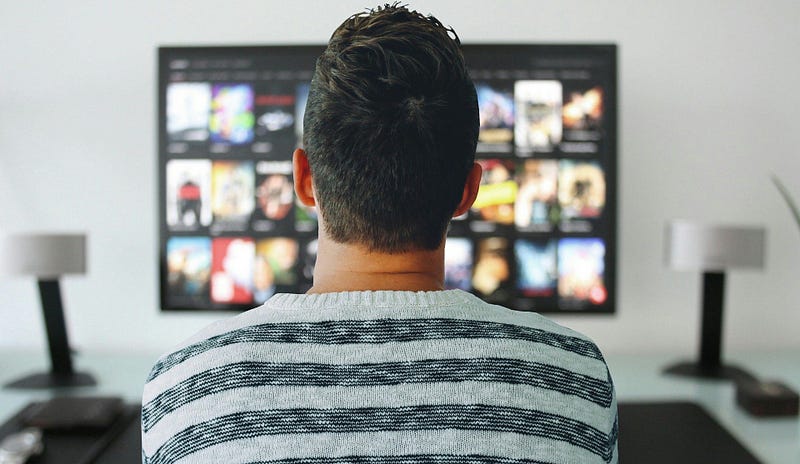
Realizing that my brain works exceedingly well when even the tiny barrier of clicking “next” is removed, I deployed it in situations where I have difficulty beginning the next task.
You know, situations like starting a new manuscript or analysis seems like a massive hurdle you have to take. I want to simulate the same level of commitment that I have for the next 90-minute episode of Crash Landing On You just because I didn’t stop the first two minutes of the next episode in time.
I switched off autoplay for tasks I know I have difficulty switching away from. This includes autoplay on Youtube and Netflix, and anything that has infinite scroll.
It’s about creating an environment that supports you even when your willpower is at its low point, instead of shaming yourself for “not trying hard enough”.
Pomodoro autoplay
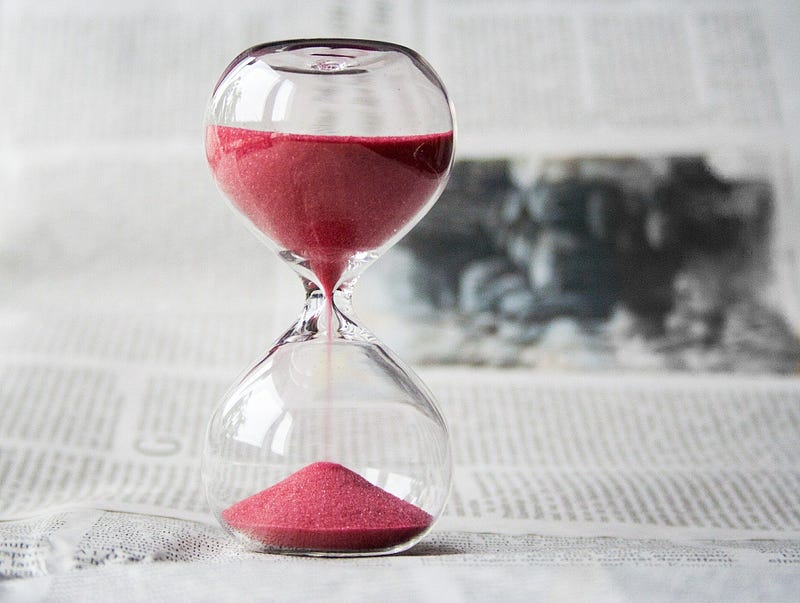
The Pomodoro technique is a common time management hack, suggesting a standard 25 minute work period spaced with 5 minute breaks. My biggest hurdle was switching from the 5-minute breaks back to work.
Discovering Focus To-Do really made difference — you can set both breaks and pomodoros to autostart, with a bell that signals each beginning and end.
Seeing that timer ticking down from 25 minutes helps me shift back to the task at hand knowing that the timer has already started, rather than waiting for me to initiate the next cycle of work.
Audiobooks
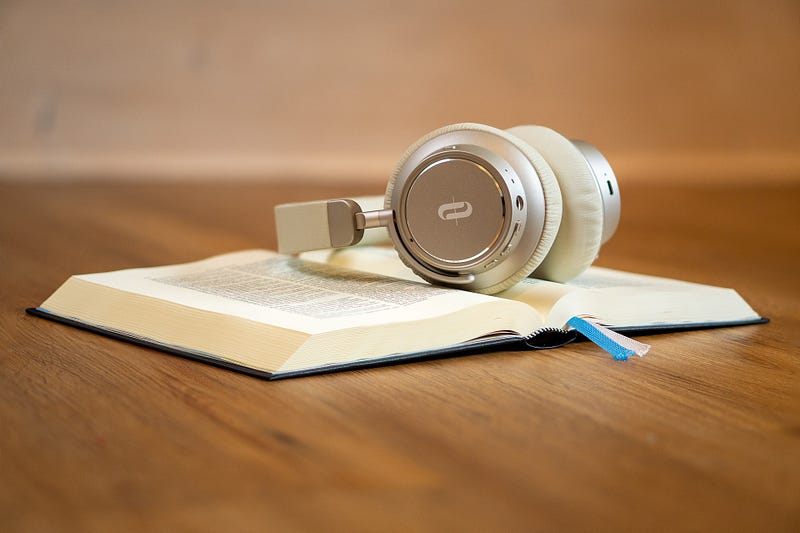
This was my intentional swap from consuming the 900th video of the “50 people try [basic cooking skill]”* to carefully written content on topics that I want to consume.
I’m part of the squad of people who were avid readers in high school and continually lament about not having to have time to read again. Admittedly, part of it is a diminished attention span that has learned to react reflexively to the treadmill of notifications.
I fought fire with fire by using the same techniques that kept me on social media, “reading just one more tweet”, to listening to audiobooks borrowed from my local library.
When the next chapter is automatically read, I find myself waiting to finish that chapter before switching it off, getting through the book much faster than I would have if I had to decide, chapter by chapter, whether it was worth starting a whole new chapter.
Incidentally, my apartment is a lot cleaner because now I multi-task and do chores that don’t need any brainpower while listening to audiobooks (e.g., laundry, washing dishes).
*Don’t get me wrong, I LOVE this series. But do I need to be binge-watching it all day when I have assignments to complete? Nope.
Morning alarms

I have no self-control in the morning. I know this. I’m practicing to get better but honestly, I’m starting from where I’m at.
Similar to the Pomodoro auto-play, I’ve segmented my mornings into rough 30 minute increments. Each 30-minute segment is synonymous with the “next episode”. Each 30-minute segment gives more than ample time for me to complete simple tasks (e.g., brush my teeth, make breakfast, write morning pages).
Each alarm signals the “playing” of the next episode, so I focus on one task only. I know that if I get over the single hurdle of getting that task done, I have the rest of the 30 minutes to do whatever I need to do. I am also only mentally getting over one (1) hurdle at a time, instead of the energy needed to emotionally prepare myself to go through my whole morning routine.
This “bite-sized” routine came from having mornings where I feel so fatigued (emotionally and/or physically) that I absolutely do not want to get out of bed. Ironically though, staying in bed feeds into this overwhelming sense of dread, because the following day I would have more unfinished tasks to deal with. My sleep-wake routine would be thrown off and this state of fatigue perpetuates itself.
So this is me starting from where I am and creatively using skills to avoid outcomes that I know will perpetuate a state that I do not want to be in. Knowing that it works and has gotten me through my worst anxiety and depression days is important to me, over the internalized shame that “a twenty-something adult should already be able to do this.”
Summary

- Turn on autoplay for things that are hard for you to start but are things you want to do more in your life.
- Turn off autoplay for things you automatically do a lot, but want to tone down a notch.
- Most importantly, implement actionable steps starting from where you are instead of the mythical “where you should be”.
Good luck! I want to hear all about your journey, what worked, what hasn’t — feel free to chirp at me here.


