avatarMichael Stover

Free AI web copilot to create summaries, insights and extended knowledge, download it at here

3283

Abstract

the target audience and what tickles their interest, scratches where they itch, or otherwise captures their attention. Who are you writing business copy for? Here are some examples:</p><ul><li>Estate planning attorneys — your audience is smart, educated, likely over 30 or even nearing retirement age. What stories appeal to them and fit the industry? Tales about children, family, business success, financial challenges, facing the uncertain future, and retirement success.</li><li>Toy companies — your audience is parents (kids may surf online but rarely have their own money to spend). How do you convince them to buy your toys? Use stories that highlight fun, family, happiness, and close relationships.</li></ul><p id="464c">A classic example is when Lego® launched its “Let’s Build” storytelling ad featuring a father and son playing with Lego building blocks. The young boy narrates a beautiful father-son relationship while the two of them build a vast creation. You are almost convinced that creating a great father-son relationship depends on Lego building blocks.</p> <figure id="444e"> <div> <div> <img class="ratio" src="http://placehold.it/16x9"> <iframe class="" src="https://cdn.embedly.com/widgets/media.html?src=https%3A%2F%2Fwww.youtube.com%2Fembed%2FrwQqkX3qZak%3Ffeature%3Doembed&amp;display_name=YouTube&amp;url=https%3A%2F%2Fwww.youtube.com%2Fwatch%3Fv%3DrwQqkX3qZak&amp;image=https%3A%2F%2Fi.ytimg.com%2Fvi%2FrwQqkX3qZak%2Fhqdefault.jpg&amp;key=a19fcc184b9711e1b4764040d3dc5c07&amp;type=text%2Fhtml&amp;schema=youtube" allowfullscreen="" frameborder="0" height="480" width="854"> </div> </div> </figure></iframe></div></div></figure><h1 id="5651">Share True Stories</h1><p id="5373">True stories are far more relatable to audiences because — they’re true. You cannot discount the real-life experience of a living person. Their experience is valid because it actually happened. I’m a cancer survivor, and my personal story is vivid, painful, heart-rending, and totally relatable because many people and their loved ones have struggled with some form of this cruel disease.</p><p id="e9ad">While I don’t share “my” experience in my client copywriting, my personal struggle does allow me to create intense and wholly believable stories because I’ve been there, done that, and lived to get the t-shirt.</p><figure id="c447"><img src="https://cdn-images-1.readmedium.com/v2/resize:fit:800/1*IRLMwXP3vWBoU0Tv987SMA.jpeg"><figcaption>The author’s cancer survivor tattoo.</figcaption></figure><p id="4bdf">Have you ever wondered how the ugliest shoes ever created became so popular? <a href="https://www.crocs.com/">Crocs™</a> is a huge brand that saw early success, then waned, but then revamped its brand until it is now a powerhouse. And they still sell the ugliest shoes imaginable! How? Several changes were key to their success, but one of them was how they leveraged powerful, believable storytelling to promote their products.</p><p id="9221">The “Crocs Challenge” asked people to wear Crocs for 30 days and share their experiences on social media. These real-life people’s stories did much to change the way people think about Crocs. Everyday consumers share

Options

d via video how they wore Crocs for numerous occasions and in a wide variety of settings.</p><p id="7db6">Personal testimonies from real people matter — especially if those real people are famous. The 2017 “Come As You Are” campaign featured celebrities Drew Barrymore, John Cena, Yoona Lim, and CJ McCollum sharing their stories of being comfortable and confident in their Crocs. The campaign also encouraged customers to share their own stories and photos on social media using the hashtag #ComeAsYouAre.</p> <figure id="c78c"> <div> <div> <img class="ratio" src="http://placehold.it/16x9"> <iframe class="" src="https://cdn.embedly.com/widgets/media.html?src=https%3A%2F%2Fwww.youtube.com%2Fembed%2F9XcVPo_jSX0%3Ffeature%3Doembed&amp;display_name=YouTube&amp;url=https%3A%2F%2Fwww.youtube.com%2Fwatch%3Fv%3D9XcVPo_jSX0&amp;image=https%3A%2F%2Fi.ytimg.com%2Fvi%2F9XcVPo_jSX0%2Fhqdefault.jpg&amp;key=a19fcc184b9711e1b4764040d3dc5c07&amp;type=text%2Fhtml&amp;schema=youtube" allowfullscreen="" frameborder="0" height="480" width="854"> </div> </div> </figure></iframe></div></div></figure><h1 id="0947">Don’t Discount the Power of Emotion</h1><p id="2706">Emotions are powerful motivations. Anger, loneliness, happiness, sadness, fear, disgust, patriotism, and positivity can all connect with audiences and create an emotional connection to the brand. Research demonstrates that stories evoking emotions are more effective in generating sales.</p><p id="0217">When we’re emotionally engaged, our brain releases the “trust hormone” oxytocin. This biological response can help build trust in a brand and create a sense of connection between the consumer and the brand’s products or services.</p><figure id="a548"><img src="https://cdn-images-1.readmedium.com/v2/resize:fit:800/1*QtJnX03imfj20BEBHKctgw.jpeg"><figcaption>Patriotism is a powerful emotion.</figcaption></figure><p id="df4e">An emotional connection can even prompt sales regardless of a product’s good or bad features. For example, at the beginning of the U.S. involvement in World War II, Lucky Strike cigarettes drastically modified the color scheme on their packaging by going from green to white, with a simple red circle logo.</p><p id="5aab">The change was introduced with the message, “<a href="https://atlas-repropaperwork.com/lucky-strike-green-has-gone-to-war/">Lucky Strike Green Has Gone to War</a>.” Removing the green color brought to mind all the soldiers being ordered overseas. It was as if the green color itself volunteered for military service — an impossibility, of course. However, almost overnight, smoking Lucky Strike cigarettes became synonymous with supporting the war effort and “doing your patriotic duty.”</p><h1 id="c5b3">Copywriting is Storytelling</h1><p id="5377" type="7">Grab your readers by the throat with a written vice.</p><p id="afe6">Good copywriting tells the story of the client’s brand. How you tell it is the key to capturing audiences and converting them into sales. Grab your readers by the throat with a written vice. Learn to tell great stories that fit different brands and create connections to target audiences and you’ll never look far for clients.</p></article></body>

Harness the Power of Story to Elevate Your Copywriting
The author’s business logo on a shirt.

Stories have always been a part of human culture. They help us connect with one another and better understand the world. When it comes to copywriting, stories are a powerful tool that can help writers communicate more effectively with their clients’ target audiences. But what makes stories so powerful?

Stories Grab Attention

When we listen to a story, our brain gets fully engaged. We don’t just use the language processing part of our brain, but also other parts that help us experience the story. For instance, listening to a narrative about delicious food activates the part of our brain that deals with taste, and an exciting chase scene might make us feel like we are experiencing it ourselves. This complete engagement of our brain helps us remember the story better and enjoy it more. That’s why stories are such a great way for copywriters to make a lasting impression on client audiences.
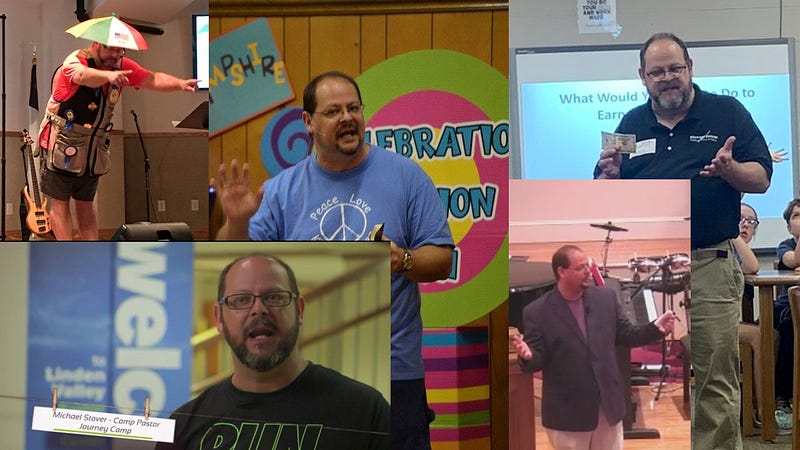
Collage of the author speaking at various public venues.

Every good public speaker knows that telling stories is a way to gain and keep an audience’s attention. Using analogies and personal anecdotes to teach and share information leads your audience to think, “I can see myself in that story!”

In over two decades of public speaking, I learned to use the power of story to illustrate, motivate, differentiate, and grab listeners by the throat with a verbal vice. I also kept a few “anytime” stories in my mental hip pocket for when I noticed listeners getting bored or distracted. Nothing made heads turn back toward me while I was speaking, like the phrase, “I heard a story about…”

President Ronald Reagan used his storytelling ability to great effect, keeping attention, distracting listeners from other issues, and demonstrating his points. When people can identify with the story you tell, they are more likely to follow it to the end, where your client’s services or products solve the problem presented in the story.

Craft the Story to Fit Your Audience

Photo by Elza Kurbanova on Unsplash

Sharing a story about ice cream won’t necessarily work if your copy is about selling caskets.

Of course, just any old story will do. Your story needs to fit where you use it. Sharing a story about ice cream won’t necessarily work if your copy is about selling caskets. You must know the target audience and what tickles their interest, scratches where they itch, or otherwise captures their attention. Who are you writing business copy for? Here are some examples:

  • Estate planning attorneys — your audience is smart, educated, likely over 30 or even nearing retirement age. What stories appeal to them and fit the industry? Tales about children, family, business success, financial challenges, facing the uncertain future, and retirement success.
  • Toy companies — your audience is parents (kids may surf online but rarely have their own money to spend). How do you convince them to buy your toys? Use stories that highlight fun, family, happiness, and close relationships.

A classic example is when Lego® launched its “Let’s Build” storytelling ad featuring a father and son playing with Lego building blocks. The young boy narrates a beautiful father-son relationship while the two of them build a vast creation. You are almost convinced that creating a great father-son relationship depends on Lego building blocks.

Share True Stories

True stories are far more relatable to audiences because — they’re true. You cannot discount the real-life experience of a living person. Their experience is valid because it actually happened. I’m a cancer survivor, and my personal story is vivid, painful, heart-rending, and totally relatable because many people and their loved ones have struggled with some form of this cruel disease.

While I don’t share “my” experience in my client copywriting, my personal struggle does allow me to create intense and wholly believable stories because I’ve been there, done that, and lived to get the t-shirt.
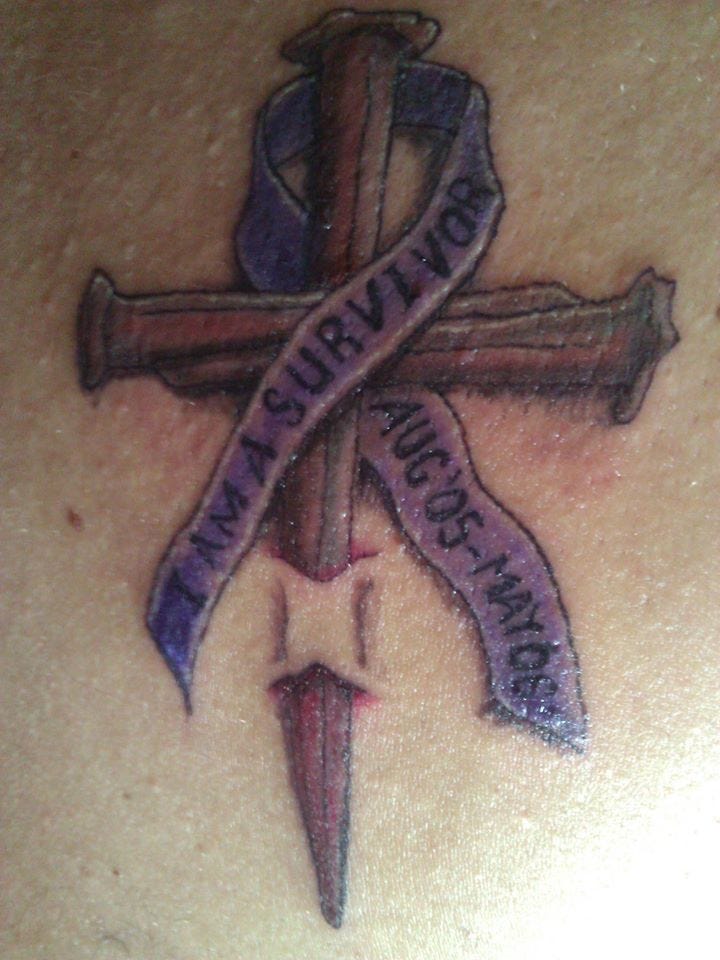
The author’s cancer survivor tattoo.

Have you ever wondered how the ugliest shoes ever created became so popular? Crocs™ is a huge brand that saw early success, then waned, but then revamped its brand until it is now a powerhouse. And they still sell the ugliest shoes imaginable! How? Several changes were key to their success, but one of them was how they leveraged powerful, believable storytelling to promote their products.

The “Crocs Challenge” asked people to wear Crocs for 30 days and share their experiences on social media. These real-life people’s stories did much to change the way people think about Crocs. Everyday consumers shared via video how they wore Crocs for numerous occasions and in a wide variety of settings.

Personal testimonies from real people matter — especially if those real people are famous. The 2017 “Come As You Are” campaign featured celebrities Drew Barrymore, John Cena, Yoona Lim, and CJ McCollum sharing their stories of being comfortable and confident in their Crocs. The campaign also encouraged customers to share their own stories and photos on social media using the hashtag #ComeAsYouAre.

Don’t Discount the Power of Emotion

Emotions are powerful motivations. Anger, loneliness, happiness, sadness, fear, disgust, patriotism, and positivity can all connect with audiences and create an emotional connection to the brand. Research demonstrates that stories evoking emotions are more effective in generating sales.

When we’re emotionally engaged, our brain releases the “trust hormone” oxytocin. This biological response can help build trust in a brand and create a sense of connection between the consumer and the brand’s products or services.

Patriotism is a powerful emotion.

An emotional connection can even prompt sales regardless of a product’s good or bad features. For example, at the beginning of the U.S. involvement in World War II, Lucky Strike cigarettes drastically modified the color scheme on their packaging by going from green to white, with a simple red circle logo.

The change was introduced with the message, “Lucky Strike Green Has Gone to War.” Removing the green color brought to mind all the soldiers being ordered overseas. It was as if the green color itself volunteered for military service — an impossibility, of course. However, almost overnight, smoking Lucky Strike cigarettes became synonymous with supporting the war effort and “doing your patriotic duty.”

Copywriting is Storytelling

Grab your readers by the throat with a written vice.

Good copywriting tells the story of the client’s brand. How you tell it is the key to capturing audiences and converting them into sales. Grab your readers by the throat with a written vice. Learn to tell great stories that fit different brands and create connections to target audiences and you’ll never look far for clients.

Copywriting
Copywriting Tips
Writing
Writing Tips
Storytelling For Business
Recommended from ReadMedium