avatarMichael Burg, MD (Satire Sommelier) 😬

Summary

The website content discusses the author's exploration of haiku, a traditional form of Japanese poetry, juxtaposing ancient examples with their own modern attempts, while questioning the pursuit of enlightenment through this art form.

Abstract

The article titled "2022 Haiku for You" delves into the essence of haiku, a poetic form traditionally focused on nature and enlightenment, adhering to a 5-7-5 syllabic pattern. It presents a classic haiku by Matsuo Bashō about a frog leaping into an old pond, contrasting it with the author's own contemporary haiku on everyday subjects like a Starbucks order and a slippery sidewalk. The author expresses skepticism about achieving enlightenment from these poems, despite following the traditional structure. The piece also includes a referral link to join Medium and support writers, and it features a translation and interpretation of the famous frog haiku by Kyomi O'Connor, which the author still finds elusive.

Opinions

  • The author remains unconvinced about the enlightenment that haiku is said to bring, even after reading and writing them.
  • They acknowledge the presence of nature in traditional haiku and attempt to maintain this in their modern versions.
  • The author humorously questions whether their modern haiku, which follow the 5-7-5 pattern and are nature-focused, can lead to enlightenment, leaving the judgment to the reader.
  • There is a tongue-in-cheek critique of overly complicated coffee orders and the absurdity of modern life.
  • The author playfully contemplates legal action over a slippery sidewalk incident, highlighting a humorous approach to everyday frustrations.
  • Despite the author's self-deprecating humor about not understanding haiku, they seem to appreciate the form enough to share their own creations and engage with other haiku enthusiasts like Kyomi O'Connor.

2022 Haiku for You

Ancient wisdom, modern world
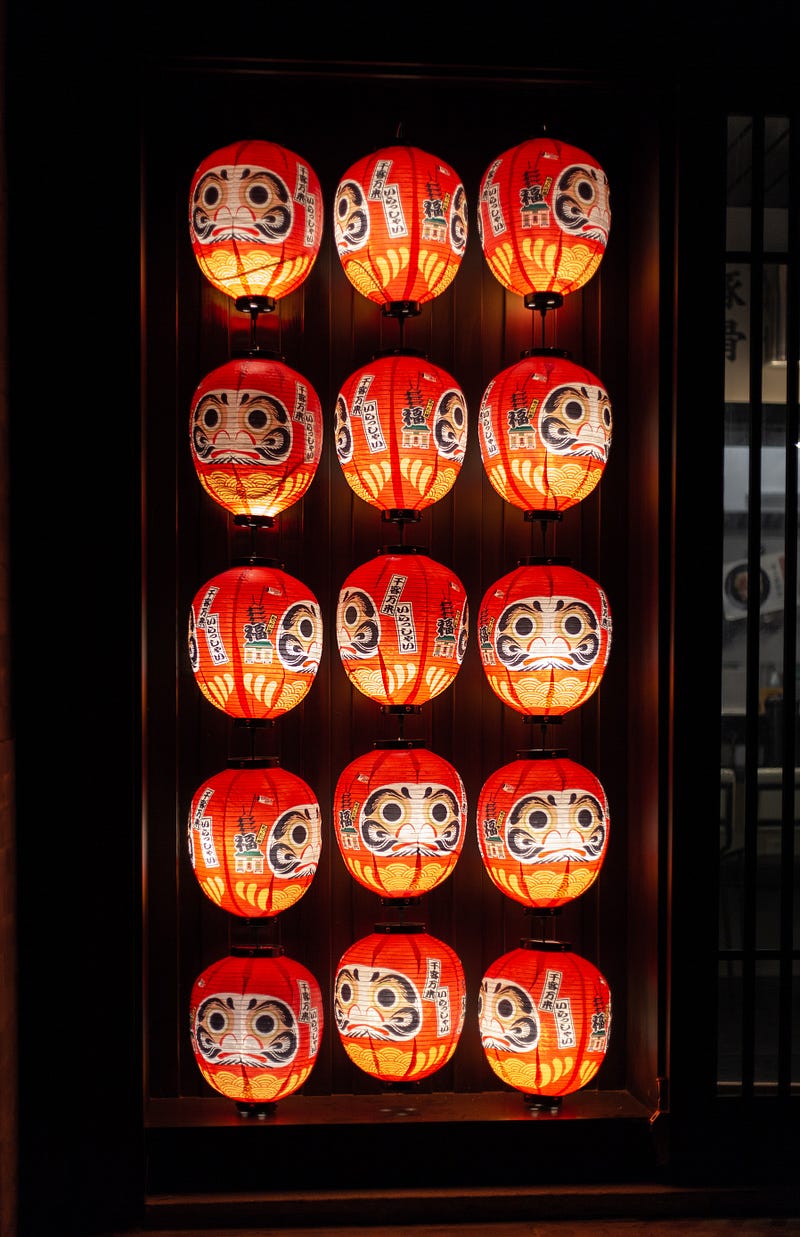
I’m puzzled. * * * Photo by Sam Balye on Unsplash

Haiku are supposed to be nature focused, follow a particular syllabic pattern and result in enlightenment.

Here’s a famous ancient example, perhaps the most famous:

古池や 蛙飛び込む 水の音

The old pond A frog leaps in. Sound of the water.

I remain grimly unenlightened after reading this piece, even repeatedly. The syllable count probably works in Japaneses, but I’ll never be able to tell. Nature is definitely involved.

My, more modern, attempts at Haiku do follow the classically-described 5–7–5 pattern. They are nature focused.

Is enlightenment forthcoming?

You decide.

Starbucks

In line behind you “Half caf, decaf with whip, um …………………………………………………” My head explodes

Who’s to Blame?

Face down, slick sidewalk Neighbor left the sprinklers on Who can I sue, huh?!

Foolish

In ditch, upside down Moron, what was I thinking? Why rush the tire guy?

Can’t get enough of this stinky stuff? Pay for it — 13.7 cents a day — and ensure a constant flood.)

From one who knows: Kyomi O'Connor

“The textbook famous Haiku is more like this in my interpretation/translation:

One of those old ponds (5) A frog jumps into it- Splash! (7) It brings me to the now (5)

I hope you understand the heart of realization; from the unattractive scene to the moment of “now” old to fresh awakening moment ;)”

From me: Thanks Kyomi, but I still don’t get it :-)

Haiku
Bullshit
Humor
Funny
Comedy
Recommended from ReadMedium