avatarEric Kulbiej

Free AI web copilot to create summaries, insights and extended knowledge, download it at here

3491

Abstract

t the hours you sleep, but also about your comfort.</p><p id="3d7f">What <i>does </i>it mean?</p><p id="878a">Firstly, let’s note that according to the recommendations of specialists, we should sleep at least seven hours a day. However, if you feel tired despite having slept through the night, it may mean that you do not care about so-called sleep hygiene.</p><p id="0131">You should then pay attention to factors such as:</p><ul><li>the optimal air temperature in the bedroom (around 20 degrees Celsius, or 68 degrees Fahrenheit),</li><li>the appropriate level of silence and darkening of the room,</li><li>not using the telephone and other electronic devices before going to bed — the emitted blue light disturbs sleep,</li><li>the hour of the last meal before bedtime,</li><li>the level of stress and nervous tension,</li><li>hours of falling asleep and waking up — it is best to fall asleep around 23.00.</li></ul><h1 id="af76">2. Do sport</h1><figure id="0d5f"><img src="https://cdn-images-1.readmedium.com/v2/resize:fit:800/0*QKD10U0ZBIVurYZD"><figcaption>Photo by <a href="https://unsplash.com/@johnarano?utm_source=medium&amp;utm_medium=referral">John Arano</a> on <a href="https://unsplash.com?utm_source=medium&amp;utm_medium=referral">Unsplash</a></figcaption></figure><p id="0a68">Regularly practising sports not only has a positive effect on your figure and improves your condition but also determines the release of happiness hormones. <b><i>During exercise, endorphins are produced, and the oxygen supplied to the body later participates in the synthesis of serotonin.</i></b></p><p id="27ac">When we don’t get enough physical activity, our serotonin levels can drop, leading to feelings of sadness and depression. But when we get moving and get our heart rate up, we give our bodies a boost of serotonin, which can improve our mood and make us feel happier.</p><p id="c634">So next time you’re feeling down, go for a run or hit the gym — it just might be the best medicine.</p><h1 id="8ea8">3 Enjoy outdoor walks</h1><figure id="b6ef"><img src="https://cdn-images-1.readmedium.com/v2/resize:fit:800/0*OQ5j4jBIgw0D6wVK"><figcaption>Photo by <a href="https://unsplash.com/@tents_and_tread?utm_source=medium&amp;utm_medium=referral">Thomas Tucker</a> on <a href="https://unsplash.com?utm_source=medium&amp;utm_medium=referral">Unsplash</a></figcaption></figure><p id="8bf9">If, for health reasons, you are unable to do sports regularly and it puts too much strain on your body, remember to go for walks in the fresh air. It only takes 30 minutes to deliver the right amount of oxygen.</p><p id="5fdd">In addition, it is also important to stay in the sun, because thanks to this, vitamin D is synthesized, which is crucial for maintaining health. Scientific research also indicates that vitamin D plays an important role in the secretion of serotonin and melatonin, which means that it regulates our mood and helps to ensure a good night’s sleep.</p><h1 id="79f1">4 Eat a diet rich in tryptophan</h1><figure id="7b1b"><img src="https://cdn-images-1.readmedium.com/v2/resize:fit:800/0*xeArYRtFqUGqXxaM"><figcaption>Photo by <a href="https://unsplash.com/@olamishchenko?utm_source=medium&amp;utm_medium=referral">Ola Mishchenko</a> on <a href="https://unsplash.com?utm_source=medium&amp;utm_medium=referral">Unsplash</a></figcaption></figure><p id="e816">Serotonin is produced by the transformation of <b><i>L-tryptophan </i></b>— an exogenous amino acid that must be constantly

Options

supplied to your body with food. Among the foods rich in tryptophan, we can mention both products of plant and animal origin.</p><p id="9b5a">You should include in your diet:</p><ul><li>meat: poultry, pork, beef, fish, eggs,</li><li>vegetables: broccoli, cauliflower, spinach, bananas,</li><li>milk and milk products,</li><li>nuts, oatmeal, pumpkin seeds, sunflower seeds, chia seeds and sesame seeds.</li></ul><p id="684d">It is a good idea for your diet to consist of five meals eaten at regular times — the optimal interval between meals should be 3–4 hours. You can divide the nutritional plan as follows: breakfast, lunch, lunch, afternoon tea, and dinner. Choose smaller portions, but be regular.</p><h1 id="e40b">5 Avoid foods that interfere with serotonin synthesis</h1><figure id="7569"><img src="https://cdn-images-1.readmedium.com/v2/resize:fit:800/0*CZR1hba6jTBpY5Tl"><figcaption>Photo by <a href="https://unsplash.com/@deiscribe?utm_source=medium&amp;utm_medium=referral">Christopher Williams</a> on <a href="https://unsplash.com?utm_source=medium&amp;utm_medium=referral">Unsplash</a></figcaption></figure><p id="0f2c">In terms of diet, it is also important to give up food products that interfere with the synthesis of serotonin.</p><p id="a63c">Therefore, try to limit the occurrence in your menu of:</p><ul><li>highly processed products,</li><li>sweets and confectionery,</li><li>fast food,</li><li>instant meals,</li><li>meals and sauces in jars,</li><li>white sugar,</li><li>salt,</li><li>caffeine (black tea, coffee),</li><li>flavoured water,</li><li>energy drinks,</li><li>sweet carbonated drinks.</li></ul><figure id="c716"><img src="https://cdn-images-1.readmedium.com/v2/resize:fit:800/0*GQXcHYOQGJonmWkC"><figcaption>Photo by <a href="https://unsplash.com/@artbyhybrid?utm_source=medium&amp;utm_medium=referral">Hybrid</a> on <a href="https://unsplash.com?utm_source=medium&amp;utm_medium=referral">Unsplash</a></figcaption></figure><p id="a7b1" type="7">Serotonin is responsible for regulating mood, anxiety, and sleep, so keeping it in balance is essential for overall mental health.</p><p id="6a95">So, how can you keep your serotonin levels high? Here are some tips to get you started: Eat healthy foods that contain serotonin boosters like tryptophan-rich protein sources like turkey and salmon.</p><ul><li>Get regular exercise, which has been shown to increase serotonin production.</li><li>Spend time outdoors in natural sunlight, as vitamin D is necessary for serotonin synthesis.</li><li>Connect with loved ones and friends regularly — social support is crucial for happiness.</li><li>And lastly, practise gratitude daily by keeping a gratitude journal or counting your blessings every night before bed.</li></ul><p id="6c8d">How do you boost your serotonin levels? Let us know in the comments!</p><blockquote id="9a4b"><p>Hi, it’s <b>Eric</b>. <i> </i>Thank you for reading. I hope you’ve found the article at least slightly compelling. What can you do now?</p></blockquote><ul><li>Get to know me — just go to the about me page or my <a href="https://bio.link/erickulb">link tree</a>.</li><li>If you like my style and want to read more of my stories — <a href="https://medium.com/subscribe/@erickulbiej">opt into my newsletter</a>.</li><li>If you want to be inspired by great thinkers, download my ebook “<a href="https://erickulbiej.ck.page/100-quotes">Achieve Great Things</a>”.</li></ul><blockquote id="47ba"><p>Cheers!</p></blockquote></article></body>

Hack Your Body With Serotonin, the Happiness Hormone

The famous happiness hormone helps govern positive moods in our bodies. You can hack your way to happiness by understanding how it works.

Photo by Vicko Mozara on Unsplash

Serotonin is known as the happiness hormone. Does it really affect your mood? What functions does it perform in the body? What is its deficiency manifested in? In this article, I will try to answer the above questions and reveal how to be happy thanks to the appropriate level of serotonin.

What is Serotonin?

Serotonin is a neurotransmitter of the central nervous system and a tissue hormone belonging to the group of famous happiness hormones.

It is true that serotonin affects your well-being, and especially its deficiency can lead to the development of anxiety disorders, insomnia and depression. It is worth knowing that after dark, this neurotransmitter transforms into melatonin, i.e. the sleep hormone.

Therefore, the correct level of serotonin makes you:

  • happy,
  • refreshed,
  • well-rested and
  • focused.

Serotonin also has a wide impact on the work of the whole organism: it maintains the balance between body temperature and breathing, regulates the intestines, affects the appetite, regulates blood clotting and blood pressure, affects concentration, regulates the female menstrual cycle, affects libido.

What are the effects of a serotonin deficiency in the body?

Serotonin deficiency in your body results in disturbances in the work of the entire body, especially the brain, nerve cells and digestive system. We often do not realize that psychological disorders, low mood, anxiety disorders or depression result from the deficiency of the neurotransmitter, i.e. serotonin. Low levels of serotonin are also manifested by: fatigue, irritability, sleep problems, increased pain sensitivity, and problems with memory and concentration.

How to increase serotonin levels and be happy?

You already know that serotonin levels affect your body and can also be associated with mood swings. To prevent this from happening, you can naturally influence the concentration of this happiness hormone.

Here are five simple rules to help you keep your serotonin level as high as possible.

1. Take care of sleep and rest

Photo by bruce mars on Unsplash

Sleep and rest are essential for the proper functioning of your body. Insomnia and other sleep disorders also reduce serotonin levels, causing you to experience mood swings, irritability, depression, lack of motivation, and difficulty concentrating. The concept of healthy sleep is not only about the hours you sleep, but also about your comfort.

What does it mean?

Firstly, let’s note that according to the recommendations of specialists, we should sleep at least seven hours a day. However, if you feel tired despite having slept through the night, it may mean that you do not care about so-called sleep hygiene.

You should then pay attention to factors such as:

  • the optimal air temperature in the bedroom (around 20 degrees Celsius, or 68 degrees Fahrenheit),
  • the appropriate level of silence and darkening of the room,
  • not using the telephone and other electronic devices before going to bed — the emitted blue light disturbs sleep,
  • the hour of the last meal before bedtime,
  • the level of stress and nervous tension,
  • hours of falling asleep and waking up — it is best to fall asleep around 23.00.

2. Do sport

Photo by John Arano on Unsplash

Regularly practising sports not only has a positive effect on your figure and improves your condition but also determines the release of happiness hormones. During exercise, endorphins are produced, and the oxygen supplied to the body later participates in the synthesis of serotonin.

When we don’t get enough physical activity, our serotonin levels can drop, leading to feelings of sadness and depression. But when we get moving and get our heart rate up, we give our bodies a boost of serotonin, which can improve our mood and make us feel happier.

So next time you’re feeling down, go for a run or hit the gym — it just might be the best medicine.

3 Enjoy outdoor walks

Photo by Thomas Tucker on Unsplash

If, for health reasons, you are unable to do sports regularly and it puts too much strain on your body, remember to go for walks in the fresh air. It only takes 30 minutes to deliver the right amount of oxygen.

In addition, it is also important to stay in the sun, because thanks to this, vitamin D is synthesized, which is crucial for maintaining health. Scientific research also indicates that vitamin D plays an important role in the secretion of serotonin and melatonin, which means that it regulates our mood and helps to ensure a good night’s sleep.

4 Eat a diet rich in tryptophan
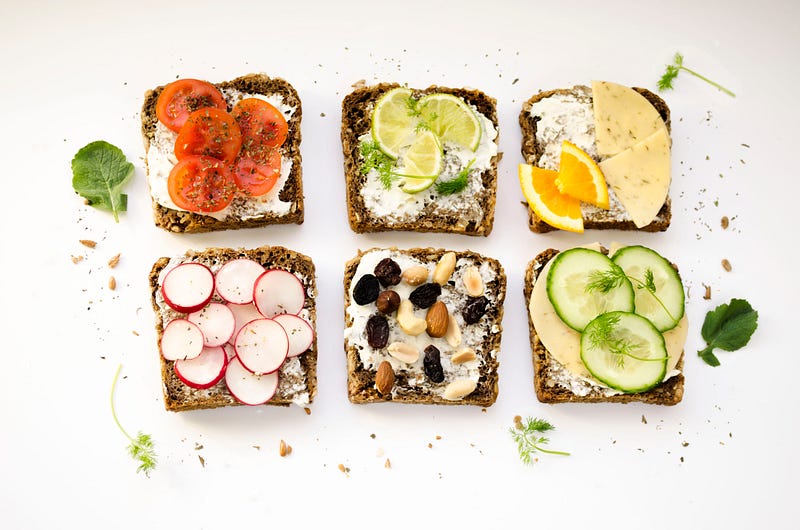
Photo by Ola Mishchenko on Unsplash

Serotonin is produced by the transformation of L-tryptophan — an exogenous amino acid that must be constantly supplied to your body with food. Among the foods rich in tryptophan, we can mention both products of plant and animal origin.

You should include in your diet:

  • meat: poultry, pork, beef, fish, eggs,
  • vegetables: broccoli, cauliflower, spinach, bananas,
  • milk and milk products,
  • nuts, oatmeal, pumpkin seeds, sunflower seeds, chia seeds and sesame seeds.

It is a good idea for your diet to consist of five meals eaten at regular times — the optimal interval between meals should be 3–4 hours. You can divide the nutritional plan as follows: breakfast, lunch, lunch, afternoon tea, and dinner. Choose smaller portions, but be regular.

5 Avoid foods that interfere with serotonin synthesis

Photo by Christopher Williams on Unsplash

In terms of diet, it is also important to give up food products that interfere with the synthesis of serotonin.

Therefore, try to limit the occurrence in your menu of:

  • highly processed products,
  • sweets and confectionery,
  • fast food,
  • instant meals,
  • meals and sauces in jars,
  • white sugar,
  • salt,
  • caffeine (black tea, coffee),
  • flavoured water,
  • energy drinks,
  • sweet carbonated drinks.
Photo by Hybrid on Unsplash

Serotonin is responsible for regulating mood, anxiety, and sleep, so keeping it in balance is essential for overall mental health.

So, how can you keep your serotonin levels high? Here are some tips to get you started: Eat healthy foods that contain serotonin boosters like tryptophan-rich protein sources like turkey and salmon.

  • Get regular exercise, which has been shown to increase serotonin production.
  • Spend time outdoors in natural sunlight, as vitamin D is necessary for serotonin synthesis.
  • Connect with loved ones and friends regularly — social support is crucial for happiness.
  • And lastly, practise gratitude daily by keeping a gratitude journal or counting your blessings every night before bed.

How do you boost your serotonin levels? Let us know in the comments!

Hi, it’s Eric. Thank you for reading. I hope you’ve found the article at least slightly compelling. What can you do now?

Cheers!

Happiness
Serotonin
Biohacking
Mood
Happy
Recommended from ReadMedium