
Hachiko, An Amazing Dog and Faithful Friend
A loyal Akita dog in Japan
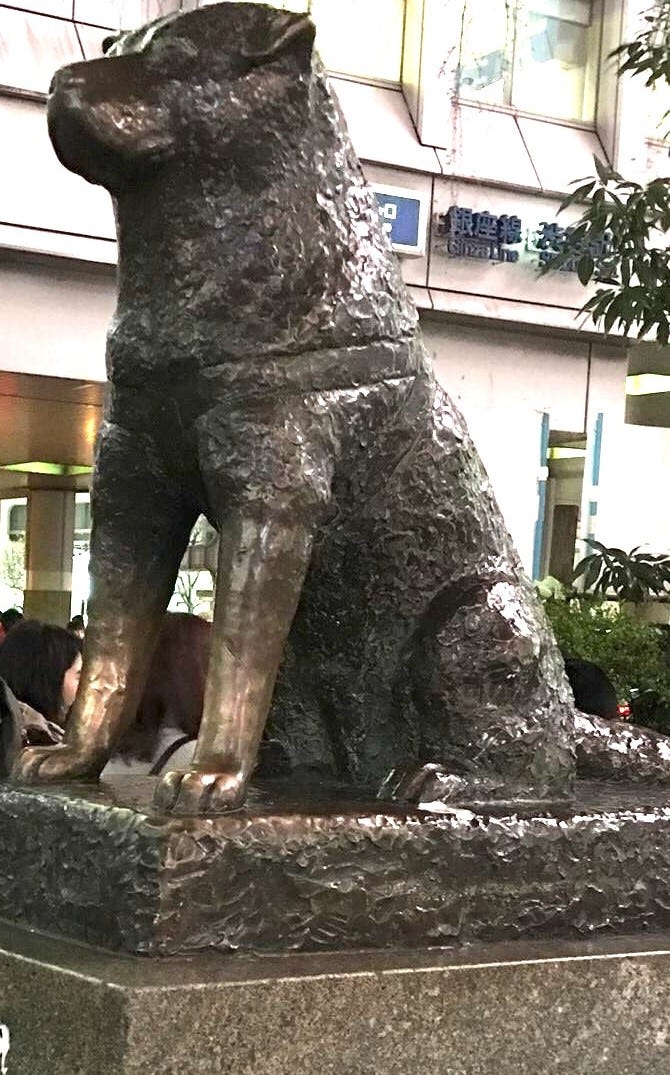
Hachiko was a loyal friend
If you are ever in Tokyo, Japan, at the Shibuya Subway Station, you will likely see a bronze statue of a large dog. The dog’s name is Hachiko, and he is a male Akita breed dog. Hachiko was born on a farm on November 10, 1923, in Akita Prefecture, Japan. He became the pet of a professor at the University of Tokyo, Hidesaburo Ueno, in 1924. Ueno would go to the nearby Shibuya station each day to go to work at the university. At the end of each day, Hachiko would be there to greet his owner after his commute home from work.
Hachiko was there to meet Ueno after work each day until May 21, 1925. Unfortunately, Ueno suffered a cerebral hemorrhage while at work that day so he did not return on the subway. From then until Hachiko died on March 8, 1935, the dog would return to the Shibuya station every day to wait for Ueno to return. He went to the station for almost ten years after his owner’s death.
Many of the other commuters noticed Hachiko waiting at the station for his owner. Some had seen Hachiko and Professor Ueno together. Then the dog was there by himself each day. People were not always friendly or favorable to the dog until an article about him was in the newspaper in 1932. Then people started to bring Hachiko food or treats during his wait for Ueno to return.
Hachiko has become an example of loyalty and fidelity in Japanese culture. He continues to be remembered today with statues, movies, and books. He is known as the faithful dog, which is the meaning of Hachiko. He had amazing loyalty to his owner.
The statue of Hachiko is well known to the inhabitants of Tokyo who regularly go to the Shibuya station. It is located just outside of the station. The dog is photographed widely.
Hirkichi Saito became an expert on the Akita breed. He saw the dog at the station and followed him to the home of Ueno’s former gardener. He learned the history of Hachiko’s life. He did research on Akitas in Japan and found that there were only thirty purebred Akitas remaining, including Hachiko.
Saito returned to visit Hachiko over the years and published several articles about the dog and his loyalty. One of his articles was published in the Asahi newspaper in 1932. That made Hachiko famous, and the dog became known throughout the country of Japan. People were impressed with Hachiko’s loyalty to his master’s memory. Teachers and parents taught their children about Hachiko as an example to follow.
Teru Ando made a sculpture of the dog, which made more people aware of the Akita breed. Hachiko became a national symbol of loyalty.
Hachiko was found dead on a street in Shibuya on March 8, 1935. He was eleven years old. Hachiko was cremated, and his ashes were buried beside his beloved master, Professor Ueno.
A Japanese film in 1987 about Hachiko is Hachiko Monogatari. The original film told the story of the Akita dog who lived in Japan in the 1920’s. Richard Gere made an adaptation of that film in 2009. It was called, Hachi: A Dog’s Tale. It was based in the United States with Richard Gere playing the part of the university professor who owned the dog.
I have visited Japan many times and have seen the statue of Hachiko. I first learned the story through watching the Richard Gere movie in the United States. I don’t know how much of the story is fact and how much is legend. The gardener for Professor Ueno obviously played a role. It is a touching story of true loyalty and devotion.
[Source: Wikipedia]