
GUR Intercepted Calls: Are Russian Soldiers Plotting a Rebellion Against Moscow?
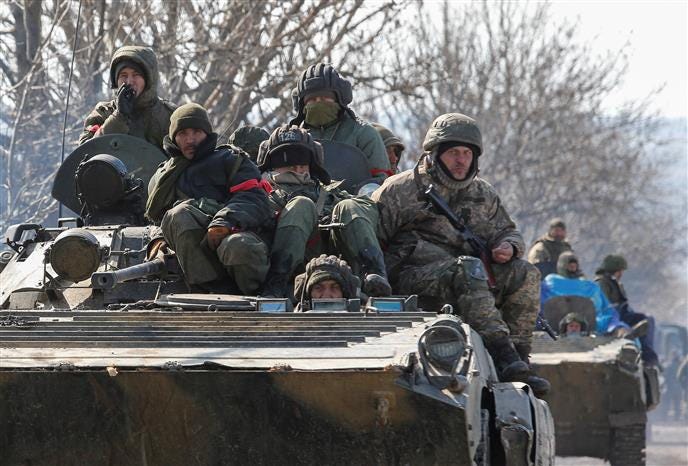
Ukrainian military intelligence has unveiled an intercepted audio conversation, spotlighting a simmering discontent within the Russian military ranks. This dialogue, reveals a candid discussion between two Russian soldiers, hinting at the possibility of mutiny against Moscow.
In the audio, published by Ukraine’s military intelligence directorate (GUR) on Telegram, the soldiers’ words paint a stark picture of demoralization and frustration. Their conversation is not just a mere exchange of grievances but a window into the beleaguered state of Putin’s forces in Ukraine. The authenticity of this call, while not independently verified, corresponds with a recurring theme of low morale and discontent frequently reported in the context of the Russian military’s situation in this conflict.
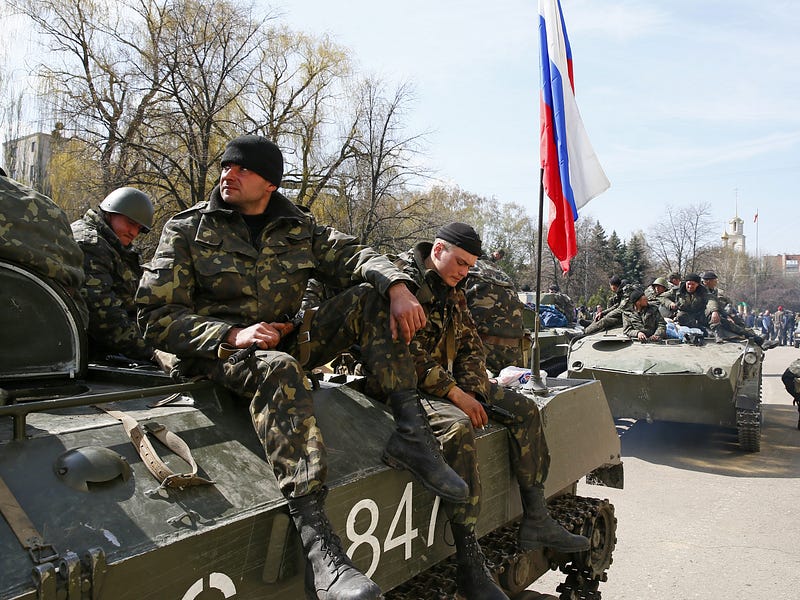
The dialogue between a soldier stationed at the front and another recuperating in a military hospital reveals more than just personal frustrations. The front-line soldier’s lament about the lack of leave and the sheer number of injured comrades in the hospital underscores a broader narrative of a military under strain. Their discussion about moving to Synkivka, a village strategically located near Kupyansk, suggests the operational challenges faced by Russian forces in the Kharkiv Oblast.
What is particularly telling in this conversation is the mention of disparities between contract soldiers and formal military servicemen, revealing internal divisions and preferential treatments within the Russian military structure. This aspect of the soldiers’ discussion is crucial, highlighting systemic issues that go beyond the immediate hardships of war.
A quick heads-up: Medium’s been tweaking its algorithms and it’s getting trickier for my stories to land in your feed. So, if you enjoy my work, please make some noise! Hit that clap button, light up the highlights, or drop a comment. Every interaction helps keep the stories flowing. Thanks for your support!
The soldiers’ talk of a potential march against the Kremlin is indicative of a profound disillusionment, a sentiment that seems to be spreading among the ranks. This notion of mutiny, whether serious or a mere expression of desperation, is a telling sign of the times. It echoes a sentiment of deep-seated dissatisfaction, not just with the war’s progress but with the system that sustains it.
The broader context of this intercepted call cannot be ignored. In Russia, journalists, opposition politicians, and anti-corruption activists face dire consequences, often silenced or met with violence. The lack of accountability for such actions speaks to a corrupt system, where security services are exploited for political and personal gain. This environment, oppressive and unyielding, leaves little room for dissent or hope.
This intercepted communication is not an isolated incident but a piece of a larger mosaic that illustrates the internal conflicts plaguing the Russian military. The conditions described by the soldiers – lack of leave, inadequate provisions, and a sense of abandonment – resonate with numerous reports of declining morale among Putin’s forces. These stories are crucial in understanding the war beyond the battlefield, revealing the human element often overshadowed by strategic and tactical discussions.
The mention of contract soldiers receiving preferential treatment over regular servicemen highlights a critical fracture within the Russian military hierarchy. This disparity, often overlooked, is a significant factor in the erosion of unity and morale among the troops. It is a manifestation of a broader issue in the Russian armed forces – the divide between the perceived elite and the rank-and-file soldiers.
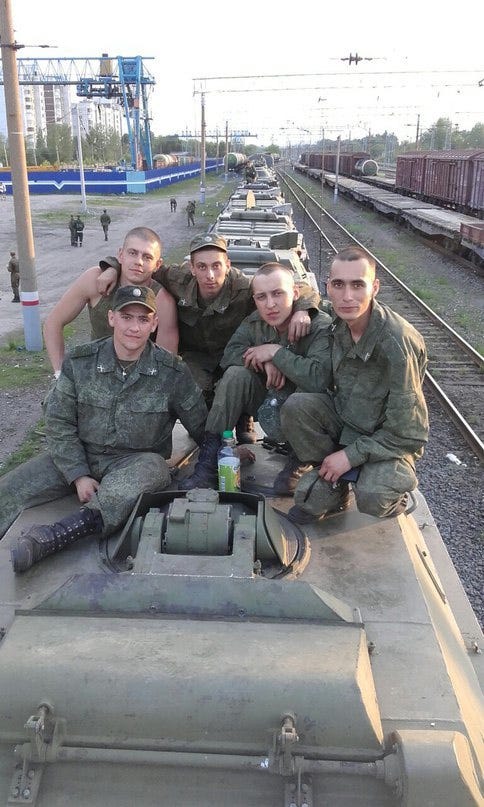
The soldiers’ dialogue about leading a march against the Kremlin is a potent symbol of their disenchantment. It reflects a breaking point, a moment where the accumulated hardships and perceived injustices could potentially boil over into direct action. While the seriousness of this mutiny suggestion remains ambiguous, the very fact that such ideas are being voiced is indicative of a deep-seated unrest.
The prospect of the Russian army rebelling against its own government, as suggested by the intercepted communication, raises significant questions. Historically, military rebellions have played a pivotal role in shaping nations, often serving as a catalyst for profound political change.
Looking back, the Russian military has a notable history of uprisings. The most significant example is the 1917 February Revolution, which was largely sparked by the mutiny of Russian soldiers in Petrograd. These soldiers, disillusioned by the Tsarist regime’s handling of World War I and angered by the lack of food and supplies, joined forces with protesting workers, leading to the abdication of Tsar Nicholas II. This event was a watershed moment in Russian history, setting the stage for the Bolshevik Revolution later that year.
Another historical instance is the Kronstadt Rebellion of 1921, where sailors and soldiers, once staunch supporters of the Bolshevik regime, rebelled against the Soviet government. Their grievances were primarily about the harsh realities of war communism and the suppression of basic freedoms. Although this rebellion was crushed, it highlighted the potential for military discontent to escalate into open revolt.
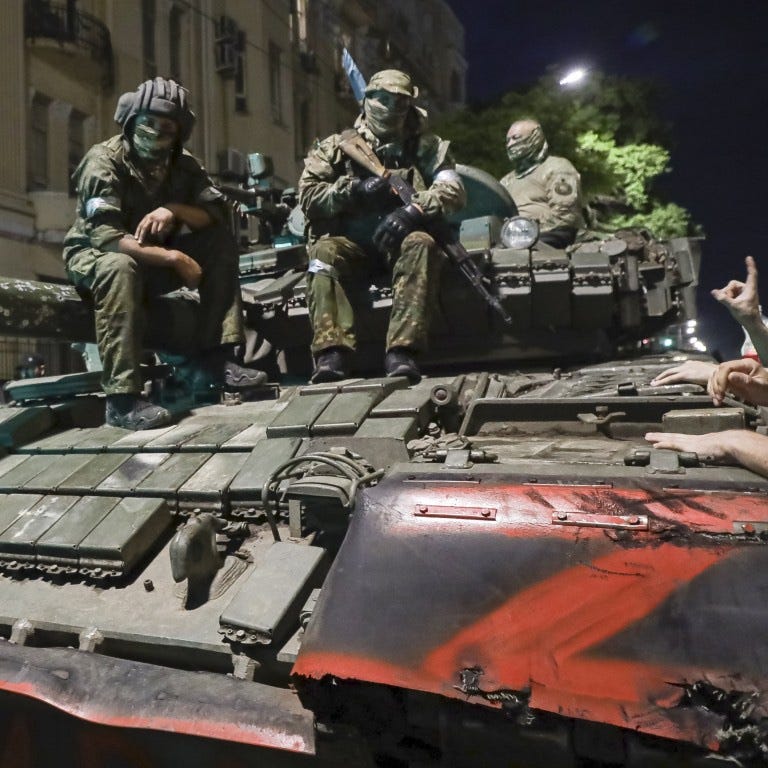
In more recent times, the Soviet Union’s collapse in 1991 saw elements of the military disenchanted with the central government. The failed August Coup of 1991, where military and KGB units attempted to take control from President Mikhail Gorbachev, is an example of such discontent, although this was more about preserving the Soviet system rather than rebelling against it.
These historical instances demonstrate that military rebellions can and do happen, often during times of national crisis, war, and significant social unrest. However, translating these historical precedents to the current situation in Russia requires caution. The Russian military in the 21st century, under President Vladimir Putin, has undergone significant reforms and restructuring. Putin’s government has worked meticulously to ensure the loyalty of the military, often through a combination of patriotic propaganda, improved conditions for service members, and a strict hierarchy of control.
Furthermore, the modern geopolitical context, the nature of the conflict in Ukraine, and the internal dynamics of the Russian military and government are vastly different from those in the early 20th century. While historical examples provide insight into how military rebellions have occurred, the likelihood and potential impact of such an event in contemporary Russia would depend on a multitude of complex, intertwined factors.