avatarPamela J. Nikodem, MSED

Free AI web copilot to create summaries, insights and extended knowledge, download it at here

2660

Abstract

n, the silent self-talk which destroys the mind? We dig ourselves into the depths of despair by negative self-talk and shame talk.</p><p id="56be"><i>“This is my karma. I deserve to be abandoned. Everyone always leaves me” </i>are a few statements of shame-based self-talk where you cannot lift up out of a past traction of shame tread. We blame ourselves when an event happens to our loved ones when we live in a shame-based mentality.</p><h2 id="1587">Here is a short clip on Blame:</h2> <figure id="a02c"> <div> <div> <img class="ratio" src="http://placehold.it/16x9"> <iframe class="" src="https://cdn.embedly.com/widgets/media.html?src=https%3A%2F%2Fwww.youtube.com%2Fembed%2FRZWf2_2L2v8%3Ffeature%3Doembed&amp;display_name=YouTube&amp;url=https%3A%2F%2Fwww.youtube.com%2Fwatch%3Fv%3DRZWf2_2L2v8&amp;image=https%3A%2F%2Fi.ytimg.com%2Fvi%2FRZWf2_2L2v8%2Fhqdefault.jpg&amp;key=a19fcc184b9711e1b4764040d3dc5c07&amp;type=text%2Fhtml&amp;schema=youtube" allowfullscreen="" frameborder="0" height="480" width="854"> </div> </div> </figure></iframe></div></div></figure><p id="1dfb">My life is one where it becomes easy to delegate to the blame to someone outside of myself. Until I realized I was blaming myself for other’s problems and choices, <i>“If I only did this, then that wouldn’t of happened!”</i></p><p id="4ea5">Really, like my choices and behaviors are a direct result to someone’s bad choices or behaviors? I cannot control another person. My emotions are mine. If I am wallowing in shame, its easy to blame an outside source.</p><p id="a2ef">Instead, owning our vulnerability and our shame-based feelings, we can expose the power of blame, reduce the impact on those we care about, and stop the cycle of abusive tendencies toward partners, children, and family/friends.</p><p id="c3ef">Often, the situation shows up where we are feeling discouraged. Instead of acknowledging our discouragement, we seek to blame someone else, or even ourselves. <i>“I’m a loser. I can’t even parent my kids without failing”</i> is another place where we blame ourselves when our kids act out.</p><ul><li>The impact of our words and actions hurt others, no doubt.</li></ul><p id="160c">What they do with that hurt is theirs. What we do to stop hurting others, is ours. Retaliation is another form of blame. Passive aggressive tactics, statements, and attitudes all hinge on casting blame in a sideways style.</p><p id="a6ab">The other person feels it, senses, the blame, but cannot put their finger on the exact words or thoughts. The result is confusion. The person

Options

who takes in the blame from a passive-aggressive tactic feels uncertain, incapable, and crazy.</p><ul><li>The childhood we experienced created in us the need to survive.</li></ul><p id="ff58">Tactics like shaming, blaming, and passive-aggressive statements and behaviors were pushed upon us in incremental steps until we took on the patterns. They became our language.</p><figure id="d990"><img src="https://cdn-images-1.readmedium.com/v2/resize:fit:800/0*UU0vLAfWrKcMwvhe"><figcaption>Photo by <a href="https://unsplash.com/@jannerboy62?utm_source=medium&amp;utm_medium=referral">Nick Fewings</a> on <a href="https://unsplash.com?utm_source=medium&amp;utm_medium=referral">Unsplash</a></figcaption></figure><p id="bd35">Instead of communicating directly, with tact and care, we slip and slide around the slope of insanity.</p><p id="9c87">Others cannot mind-read, and we blame them when something goes wrong.</p><p id="21d9">Blame becomes a powerful tool to avoid looking in the mirror at our mistakes.</p><p id="8abe">Today, if you have the opportunity to check your blame language, check your name-calling, and see if you point negative-self talk inwardly or outwardly. The three ways we use the blame words turn us into mood-biased zombies.</p><p id="49ec">No one wants to hang around someone who downs life, both inside and outside. To own the behaviors we have used in the past, find we currently use them, or we fall back into a negative pattern is awareness. The next step is to be vulnerable enough to embrace our mistakes and patterns of behaviors.</p><p id="4bbd">The vulnerability coupled with accountability help us step into bravery as we share with someone we trust. To share is to be free from carrying the burden of shame the rest of our lives. Open the windows, let the sun shine in, and release your shame. Life is worth the sunbeams!</p><p id="5369"><i>~Just a thought by Pamela</i></p><h2 id="b259">Thank you for reading! Another article you might find interesting:</h2><div id="0dca" class="link-block"> <a href="https://readmedium.com/what-would-mister-rogers-do-b8913ac76e9e"> <div> <div> <h2>What Would Mister Rogers Do?</h2> <div><h3>Life is filled with opportunity to make a difference. Even in the dark days, we can find someone to inspire hope.</h3></div> <div><p>medium.com</p></div> </div> <div> <div style="background-image: url(https://miro.readmedium.com/v2/resize:fit:320/1*EKqymGtOJU3vgK9rQHyPnw.jpeg)"></div> </div> </div> </a> </div></article></body>

Guilt Self-Talk or Shame Self-Talk

Which do you use determines whether you slip into negativity or rise up and find your grounding.

Photo by Kevin Jesus Horacio on Unsplash

Shame and Humiliation are two different levels of negative self talk. Shame says “I deserve what just happened. I am no good. Look at me, I constantly fail. I make everyone mad at me and fail at so much.”

Humiliation says, “Yo, that was freaking rude and disappointing. I did not deserve that treatment. Period.”

  • What does your self-talk say about you?

When you are told something you said or did created a feeling of fear or sadness in another person what do you say? You might say it internally:

“Well, here we go again. I can’t do anything right. You are constantly telling me I am failing you. I guess I am the real bad person after all. I’m nothing. My feelings don’t matter. I am the worst person on the planet.”

But, if you talk to someone and bring it out into the open, “I feel shame. I feel like my life is not worth anything. I am a failure. I make everyone sad or angry or hurt. I feel like I am the worst person ever” then you can open the windows and air out the shame talk.

“Shame cannot survive being spoken” Brene Brown. She calls it the shame-shit-storm. If you feel it coming and you catch yourself wallowing in it, the time to reach out and talk to your trusted person makes a huge impact on whether or not you’ll continue to wallow or grow from the openness.

  • Name calling is one of the foundational aspects of shaming.

We use name-calling as a way to empower ourselves. We make ourselves look better when we reduce someone to a name which indicates how terrible, rude, ugly, or unlovable someone is at any given time.

  • The use of shaming words destroys building a foundation of vulnerability.

Why would someone want to tell you how they feel if you make them feel stupid for crying, saying how they feel, or feeling upset about something you wouldn’t feel upset about?

The truth is, we forget how powerful our words become once we utter them to those around us. Consider then, the silent self-talk which destroys the mind? We dig ourselves into the depths of despair by negative self-talk and shame talk.

“This is my karma. I deserve to be abandoned. Everyone always leaves me” are a few statements of shame-based self-talk where you cannot lift up out of a past traction of shame tread. We blame ourselves when an event happens to our loved ones when we live in a shame-based mentality.

Here is a short clip on Blame:

My life is one where it becomes easy to delegate to the blame to someone outside of myself. Until I realized I was blaming myself for other’s problems and choices, “If I only did this, then that wouldn’t of happened!”

Really, like my choices and behaviors are a direct result to someone’s bad choices or behaviors? I cannot control another person. My emotions are mine. If I am wallowing in shame, its easy to blame an outside source.

Instead, owning our vulnerability and our shame-based feelings, we can expose the power of blame, reduce the impact on those we care about, and stop the cycle of abusive tendencies toward partners, children, and family/friends.

Often, the situation shows up where we are feeling discouraged. Instead of acknowledging our discouragement, we seek to blame someone else, or even ourselves. “I’m a loser. I can’t even parent my kids without failing” is another place where we blame ourselves when our kids act out.

  • The impact of our words and actions hurt others, no doubt.

What they do with that hurt is theirs. What we do to stop hurting others, is ours. Retaliation is another form of blame. Passive aggressive tactics, statements, and attitudes all hinge on casting blame in a sideways style.

The other person feels it, senses, the blame, but cannot put their finger on the exact words or thoughts. The result is confusion. The person who takes in the blame from a passive-aggressive tactic feels uncertain, incapable, and crazy.

  • The childhood we experienced created in us the need to survive.

Tactics like shaming, blaming, and passive-aggressive statements and behaviors were pushed upon us in incremental steps until we took on the patterns. They became our language.
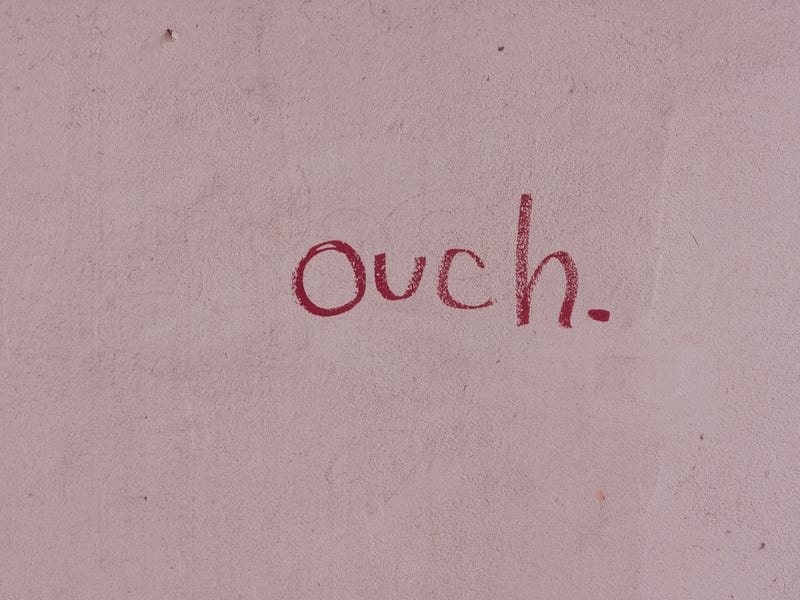
Photo by Nick Fewings on Unsplash

Instead of communicating directly, with tact and care, we slip and slide around the slope of insanity.

Others cannot mind-read, and we blame them when something goes wrong.

Blame becomes a powerful tool to avoid looking in the mirror at our mistakes.

Today, if you have the opportunity to check your blame language, check your name-calling, and see if you point negative-self talk inwardly or outwardly. The three ways we use the blame words turn us into mood-biased zombies.

No one wants to hang around someone who downs life, both inside and outside. To own the behaviors we have used in the past, find we currently use them, or we fall back into a negative pattern is awareness. The next step is to be vulnerable enough to embrace our mistakes and patterns of behaviors.

The vulnerability coupled with accountability help us step into bravery as we share with someone we trust. To share is to be free from carrying the burden of shame the rest of our lives. Open the windows, let the sun shine in, and release your shame. Life is worth the sunbeams!

~Just a thought by Pamela

Thank you for reading! Another article you might find interesting:

Mental Health
Psychology
Brené Brown
Personal Development
Recommended from ReadMedium