
Guardian Of The Strait
The Enduring Legacy of Fisgard Lighthouse
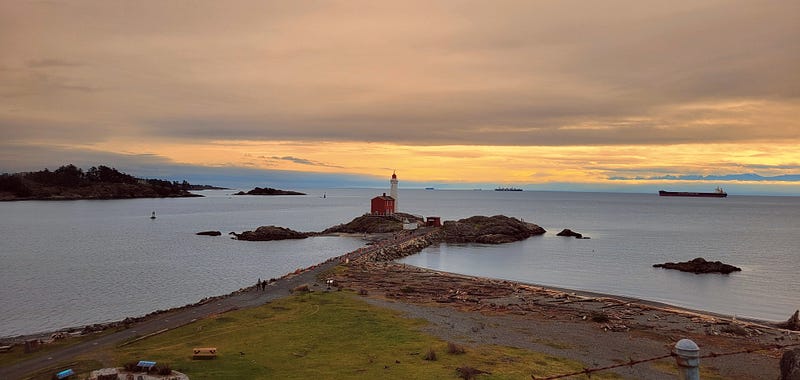
Built in 1860, the Fisgard Lighthouse was the first lighthouse on the west coast of Canada. Sitting on top of a hill, it became the symbol of British Sovereignty over the Americans who were campaigning to extend their territorial control as far as parallel past Prince Rupert on the Northwest Coast.
Contemplating whether to embark on today’s photo shoot, I found myself uncertain due to the unpredictable skies. Yet I'd like to take advantage of this freebie from work: free entrance to this National Historic site. Perhaps the clouds will yield a dramatic capture of the lighthouse.
As I visited the lighthouse, a brooding overcast sky draped an additional layer of drama over the scene. The clouds, heavy and pregnant with moisture, cast shadows that danced upon the lighthouse, creating an atmosphere of both mystery and grandeur.
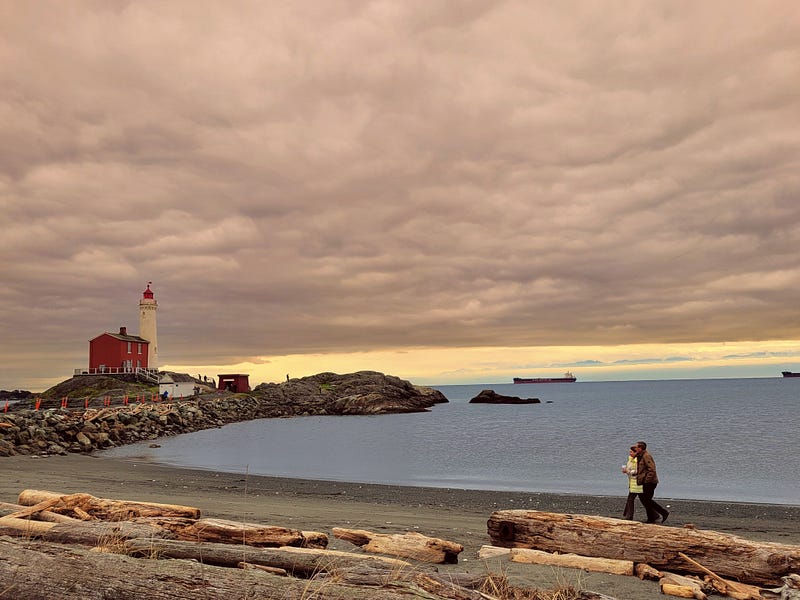
The lighthouse is a short 15 km from my home. Shortly after lunch, I made my way there. As I took a left turn to the entrance gate, a flock of seagulls launched their flight as if to spread a carpet of welcome as I parked.
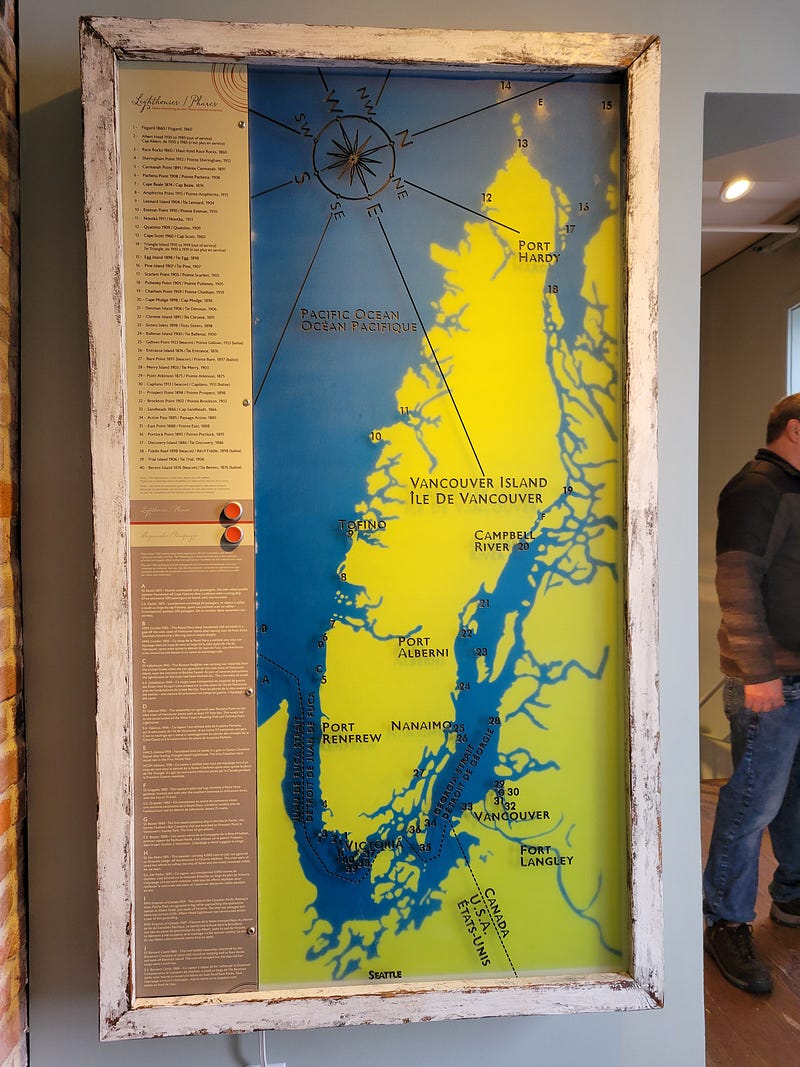
Back in the day, the Fisgard Lighthouse was a literal lifesaver for mariners navigating the unforgiving waters of the Juan de Fuca Strait. Especially during foggy or stormy nights, ships relied on its guiding light to avoid treacherous rocks.
The lighthouse ensured safe passage for both local and foreign cargo and passenger vessels. As I wandered on the main floor, I see a stairwell. I felt my boots resurrected from the history of the lives of the first keepers of this edifice.
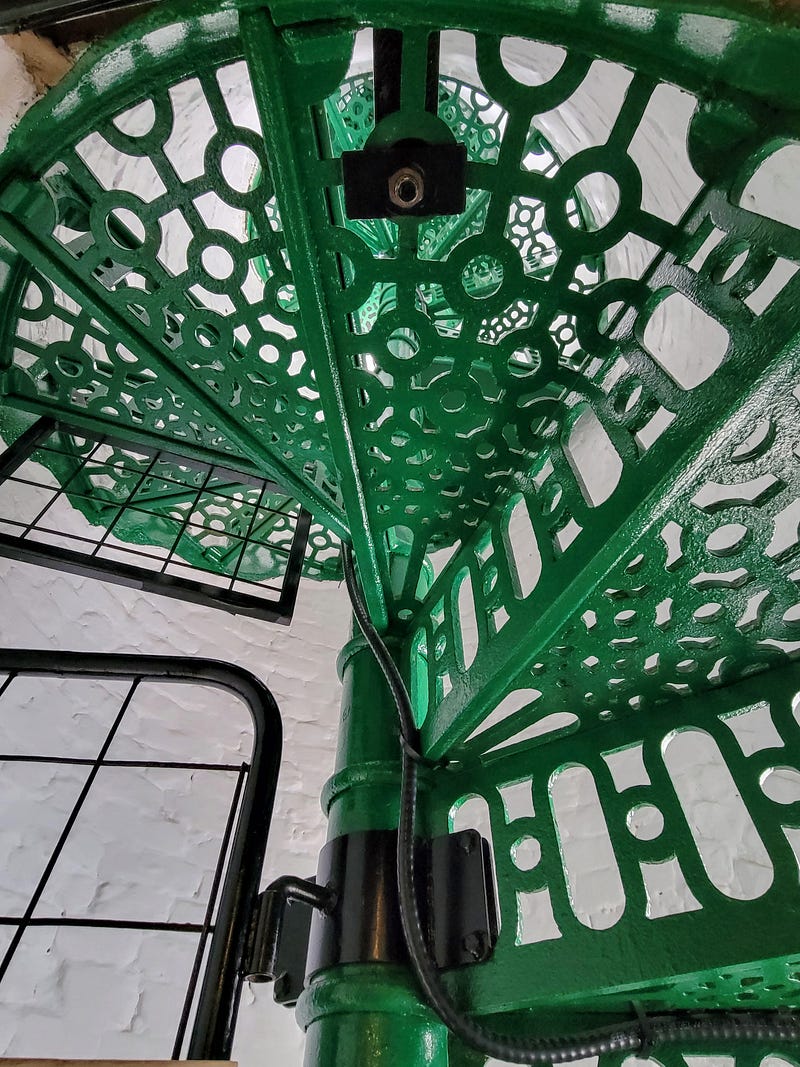
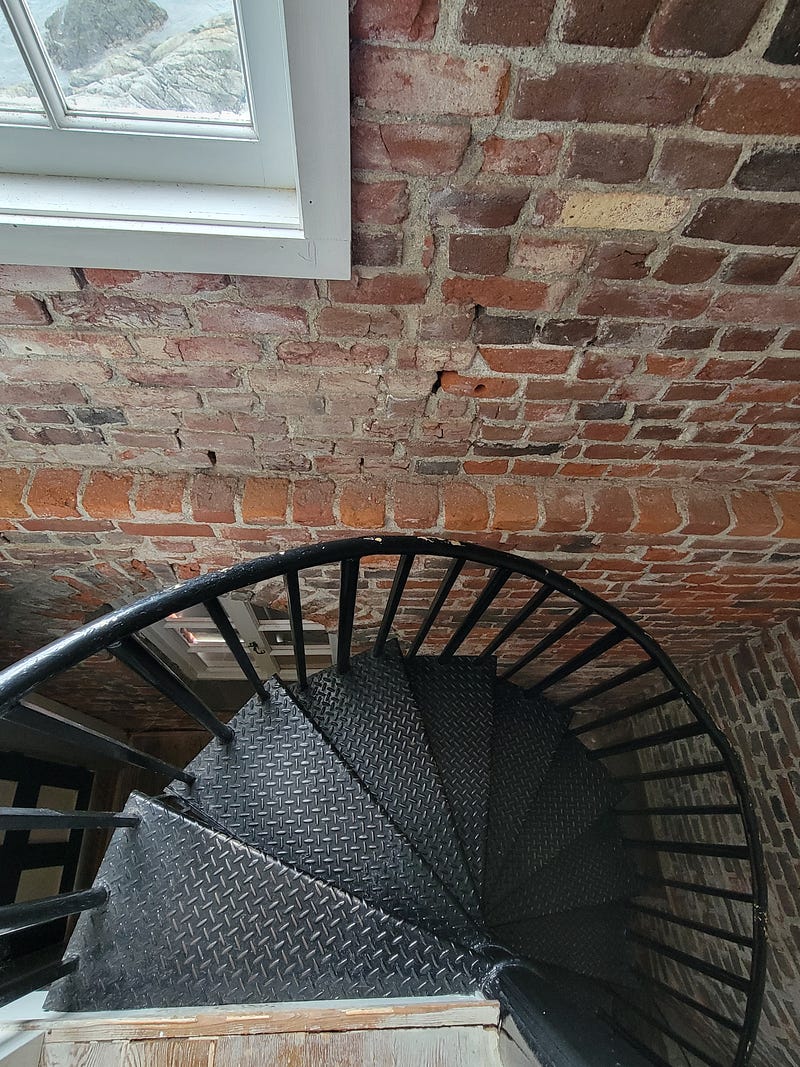
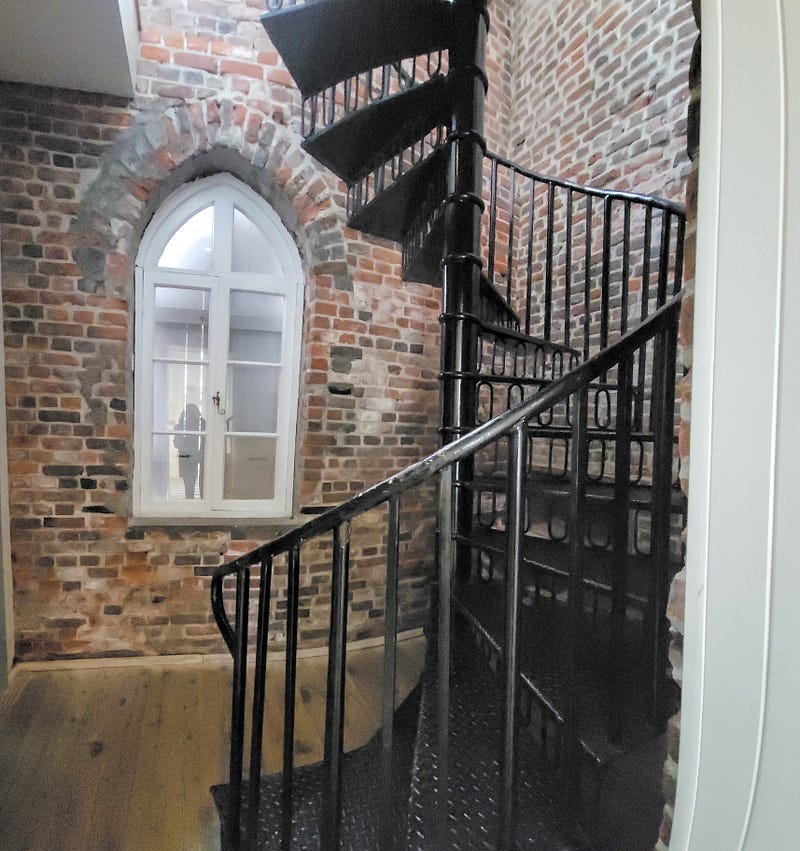
Every step on the stairwell seemed to deliver me to a scene during the cold nights when the storm ravaged into the disturbed hearts of the lightkeeper's family. This cast-iron spiral staircase inside the tower was made in sections in San Francisco.
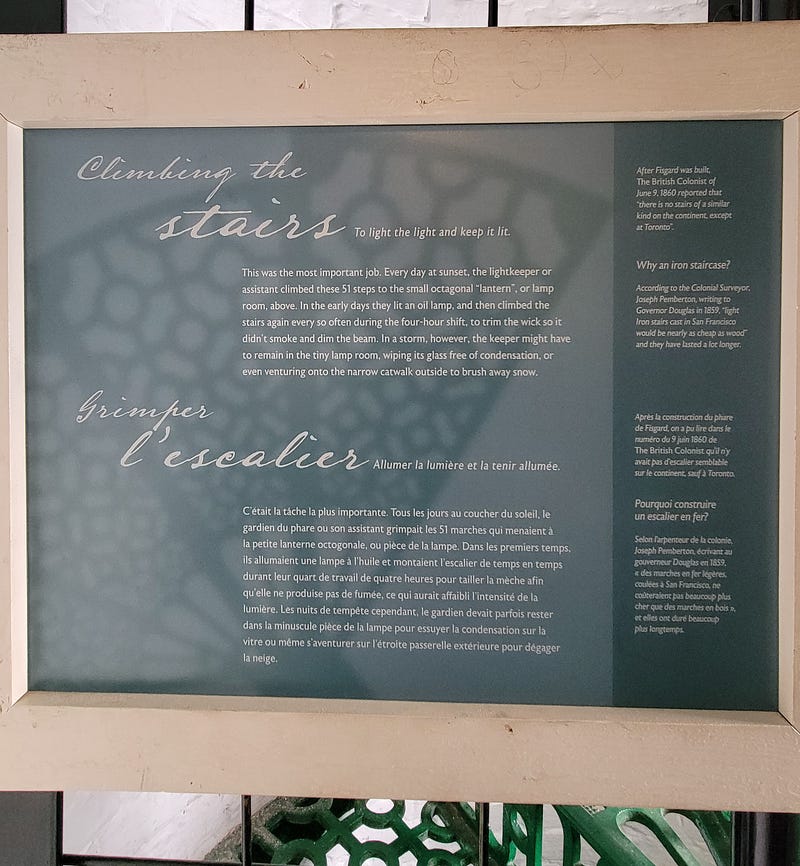
Keeping the light lit. A lighthouse keepers’ most important job. Regardless of the weather, they bear the responsibility for ensuring its continuous light.
The Royal Navy operated from Esquimalt Harbour, and the Fisgard Lighthouse allowed them to navigate safely at night. Without it, their ships risked running aground on rocky shores. In essence, the lighthouse facilitated nighttime naval operations, ensuring the safety of British vessels.
Around the time of its construction in 1860, there was a significant influx of American miners into the Victoria area and the Fraser Valley due to the Fraser Valley gold rush.
To assert British sovereignty and prevent annexation by the United States, the Fisgard Lighthouse was strategically placed. It stood as a beacon of British territory and dominance in the region.
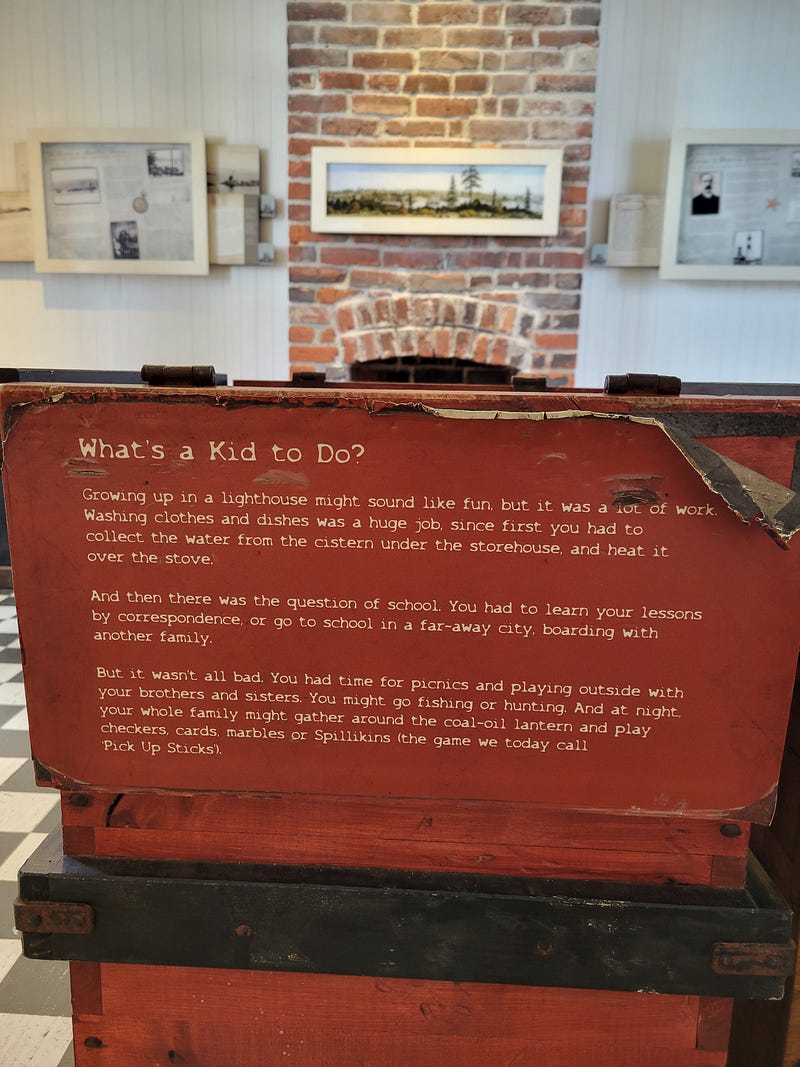
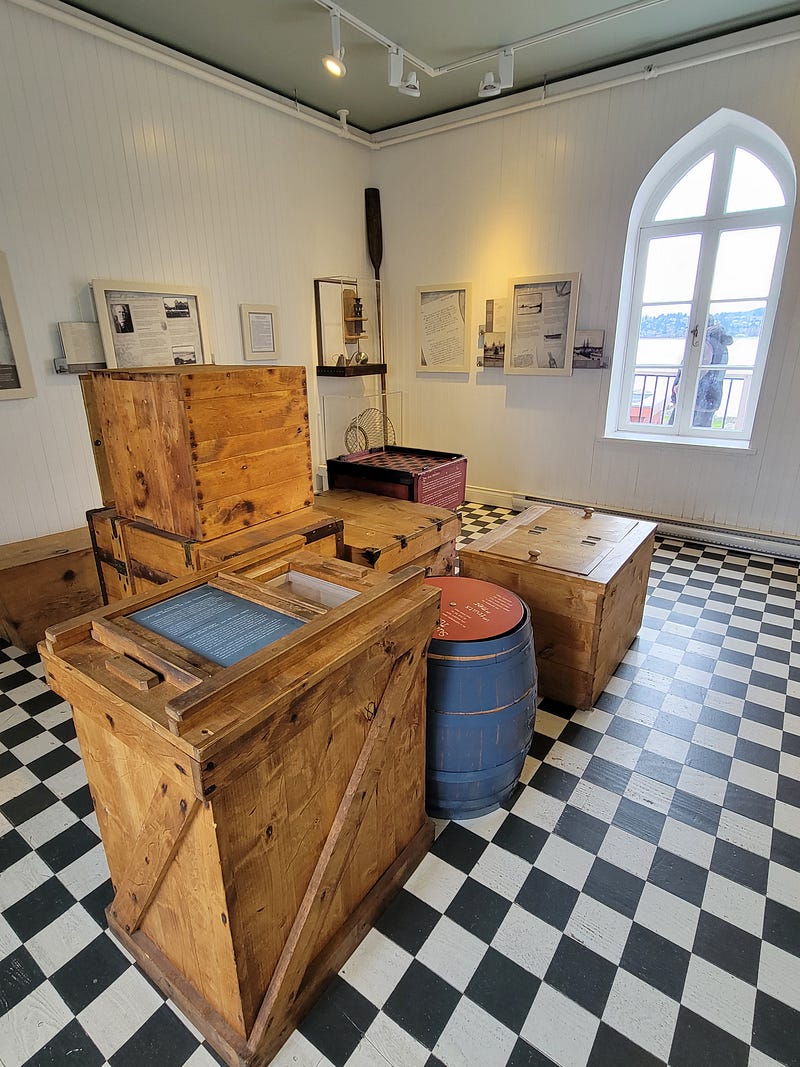
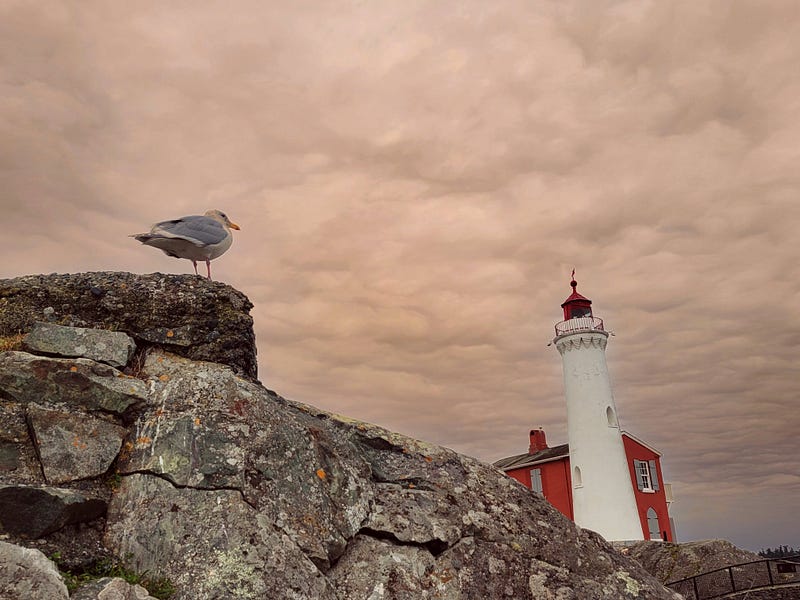
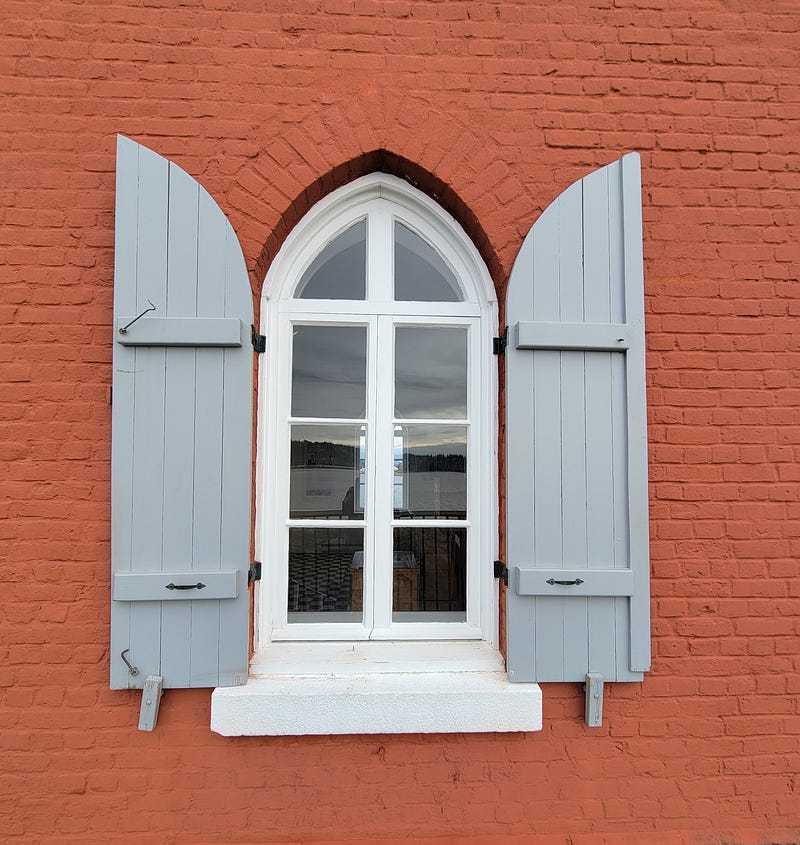
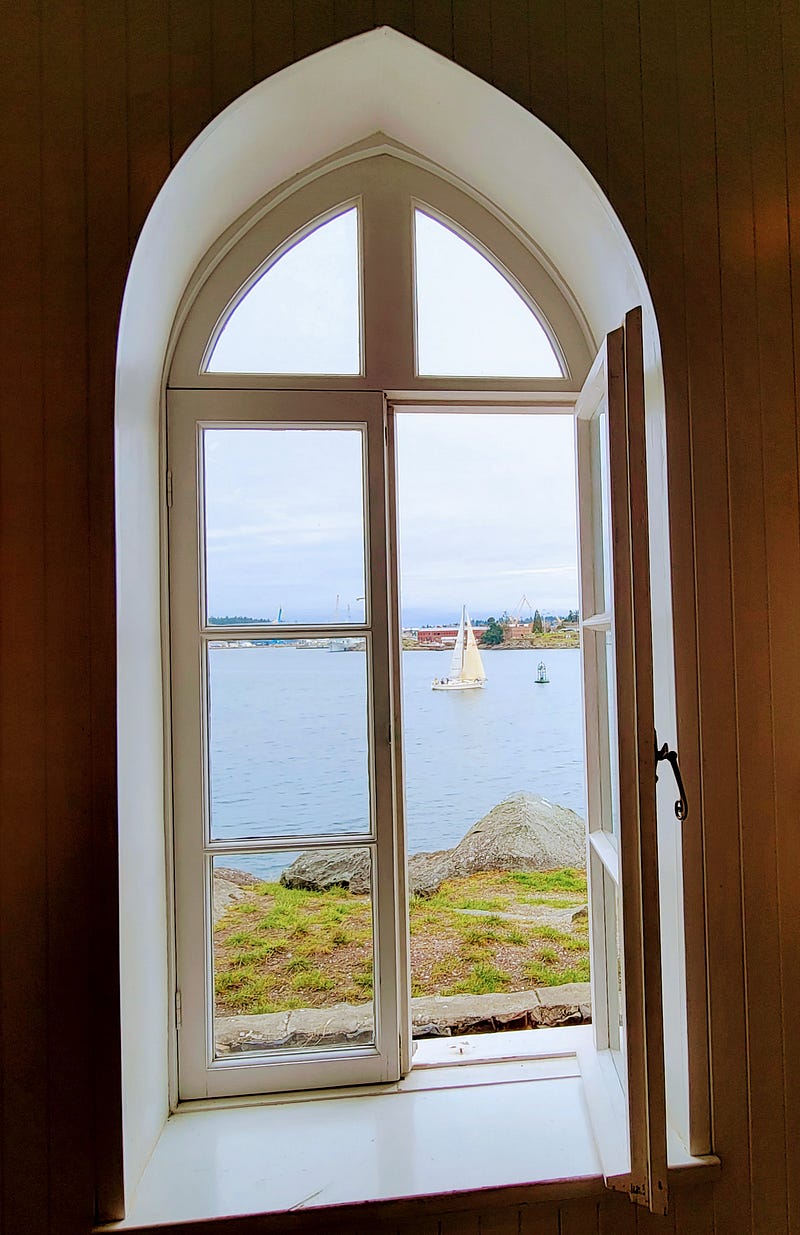

Fisgard Lighthouse marked the entrance to Esquimalt Harbour, promoting trade and settlement by enabling ships to navigate safely.
Its historical significance extends beyond practical navigation — it stands as a testament to British presence and commitment in the region.
Thanks for coming along with me. Fist bump!
© 2024 Lani Domaloy. All rights reserved.